← Back to OEM Capabilities

Precision Gear Machining

Gear hobbing, powder metallurgy sourcing, plastic molding, ratio architecture review, and first-article inspection support for custom micro planetary gearbox programs that need controlled noise, backlash, durability, and repeatability.

Best Fit For:Ideal for OEMs needing custom torque/speed ratios, controlled backlash, material tradeoffs, or gearbox-only integration.
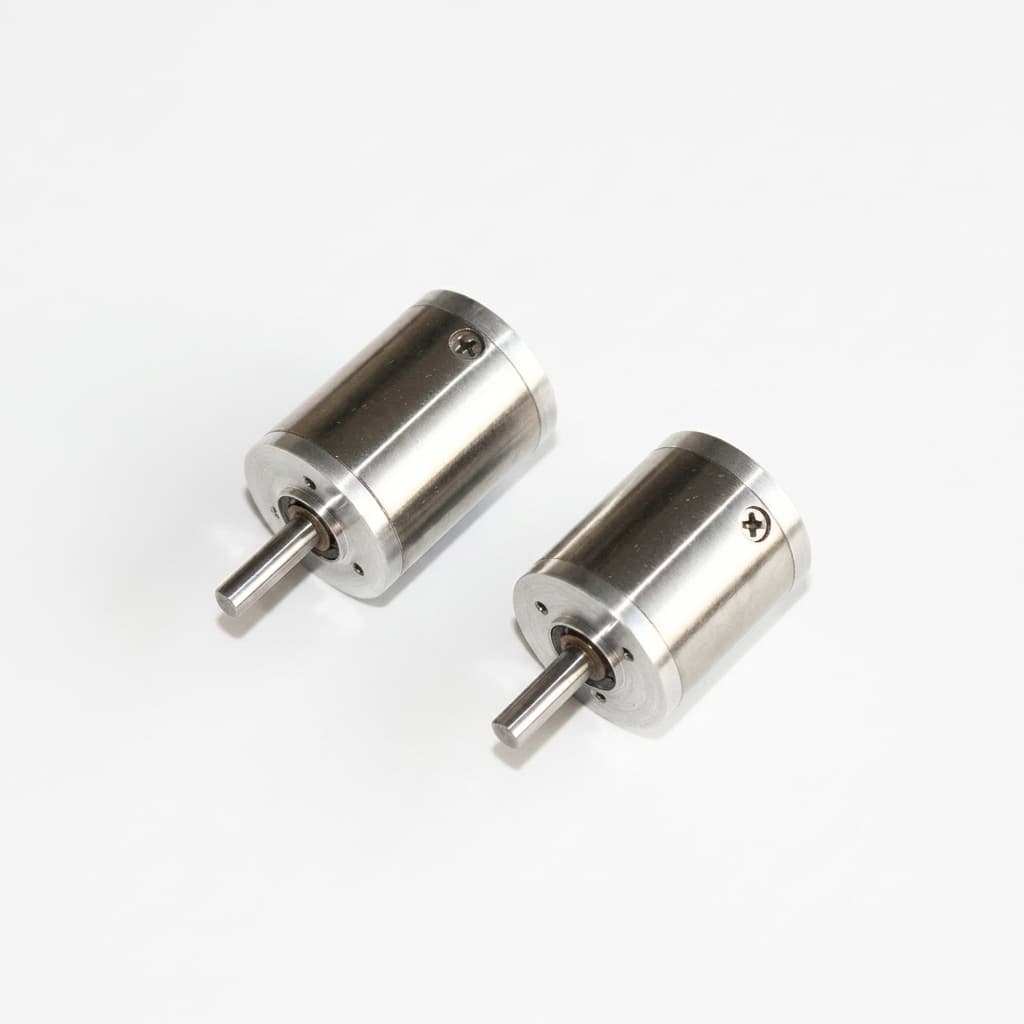
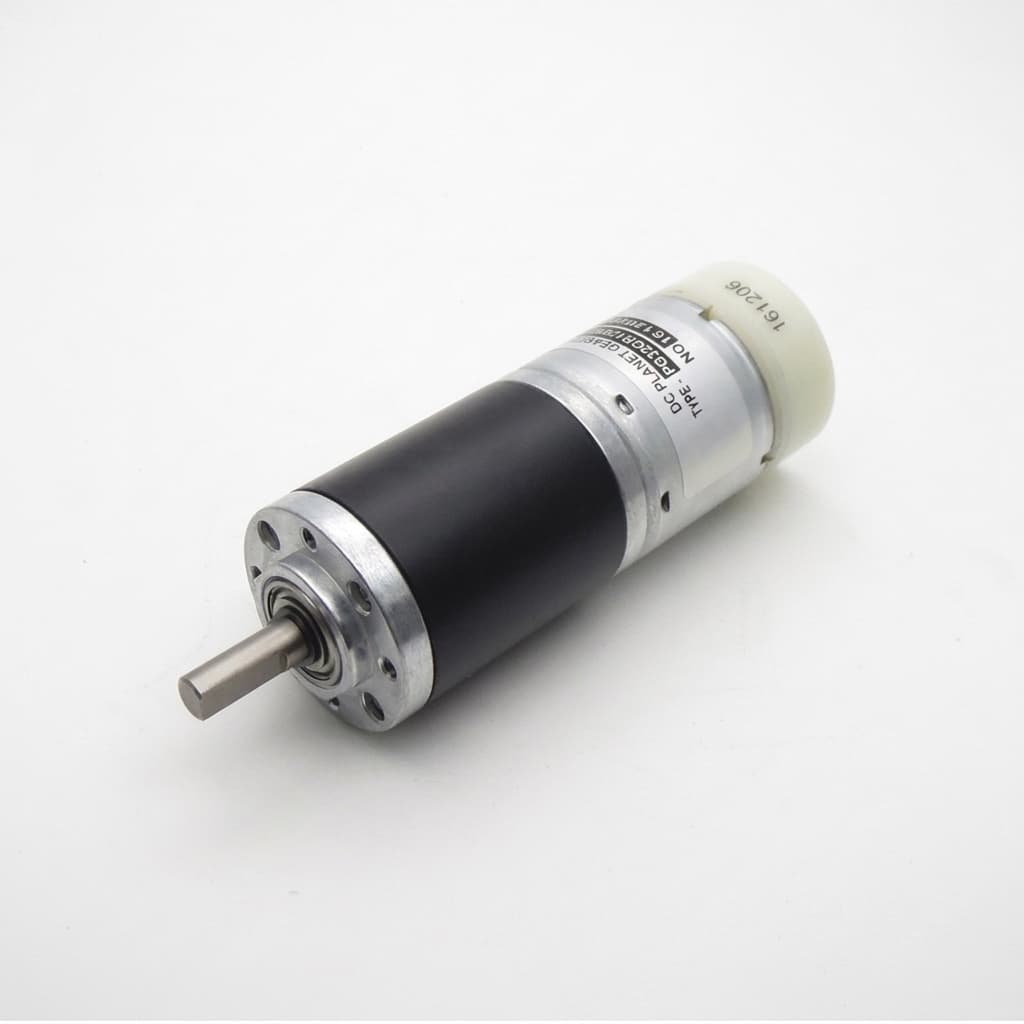
Precision micro gear component sample for planetary gearbox machining review
Design Freeze Evidence Path

How This Capability Moves From Drawing Review to Repeat Supply

Each OEM capability needs a shared evidence path so engineering, quality, procurement, and logistics can approve the same motor configuration without relying on informal sample notes.

WhatsApp: WhatsApp Engineering Support

Design Freeze

Buyer Input
Drawing revision, CAD/STEP envelope, mating part limits, load profile, voltage, speed, torque, duty cycle, and target volume.
Factory Review
Platform fit, interface risk, gearbox ratio route, winding direction, shaft/flange feasibility, and open validation assumptions.
Buyer-visible Evidence
Revision baseline, sample configuration direction, and risk notes before sample quotation.
Sample Validation

Buyer Input
Sample quantity, acceptance limits, load fixture, torque-speed points, noise/backlash limits, temperature profile, and report format.
Factory Review
Dimensional check, no-load and loaded behavior, current, noise, backlash, temperature rise, and project-specific checks by scope.
Buyer-visible Evidence
Sample test summary, inspection notes, fixture assumptions, and buyer approval comments.

Pilot Readiness

Buyer Input
Critical-to-quality list, EOL limits, packaging rules, label fields, incoming inspection needs, and requested quality file scope.
Factory Review
Assembly checkpoints, fixture notes, OQC limits, lot traceability, and PFMEA/APQP/PPAP-style evidence when requested.
Buyer-visible Evidence
Pilot inspection record, control criteria, outgoing inspection summary, and release comments.

Export Handoff

Buyer Input
Destination, Incoterms, forwarder preference, certificate list, carton constraints, pallet rules, and warehouse receiving needs.
Factory Review
Packing protection, lot labels, document package, compliance file applicability, and shipment handoff timing.
Buyer-visible Evidence
Packing list, commercial document scope, lot reference, OQC summary, and change-control path.

Capability Highlights

  • Hobbing accuracy targets by project
  • Powder metallurgy
  • Custom gear ratios

Typical Engagement Scope

  • High-torque drives
  • Low-noise transmissions
  • Low-backlash positioning modules
  • Valve and lock actuator gearheads

Execution Focus

  • Gear profile optimization
  • Material selection (POM, PM, Steel)
  • Stage-by-stage ratio split and efficiency loss
  • Backlash stack-up across carrier, pinion, and output stages
  • First-article gear inspection and runout control

Program Evaluation Matrix

Gear Ratio Range

Typical Range
3:1 to 1000:1
Procurement Value
Enables precise matching of motor speed to application needs.

Hobbing Precision

Typical Range
Drawing-defined tolerance and inspection method
Procurement Value
Directly impacts acoustic noise and mechanical efficiency.

Gear Materials

Typical Range
POM, PM, SUS416, Brass
Procurement Value
Allows optimization for cost, noise, or shock resistance.

Program Selection Logic

Plastic, PM, or steel gear stages

Recommended Path
Use POM or hybrid stages for noise-sensitive light loads; use PM or steel stages for shock load, stall events, and high torque density.
Validation Input
Duty cycle, peak load, noise limit, temperature range, and annual volume.

Ratio architecture

Recommended Path
Split high ratios across stages to balance torque multiplication, efficiency, noise, and gearbox length.
Validation Input
Target output RPM, loaded motor speed, maximum gearbox length, and torque requirement.

Backlash and inspection level

Recommended Path
Specify measured output play and test method before applying low-backlash gear profile or tighter center-distance control.
Validation Input
Backlash target, reversal load, inspection method, and life-test expectation.

Production and QC Flow

Ratio and material review

Control Point
Confirm motor input data, target output speed, torque reserve, stage count, and gear material plan.
Buyer Evidence
Gear ratio proposal, material option notes, and input motor drawing review.

First-article inspection

Control Point
Check tooth profile, runout, bore fit, center distance, backlash, and noise on sample gearheads.
Buyer Evidence
Dimensional inspection record, sample test notes, and approved drawing revision.

Production release

Control Point
Freeze inspection limits, grease specification, EOL torque-speed check, and lot traceability.
Buyer Evidence
Control plan, EOL test criteria, grease note, and outgoing inspection record.

RFQ Preparation Checklist

  1. Target reduction ratio
  2. Peak load
  3. Noise constraints
  4. Input motor drawing, pinion module, and shaft data
  5. Required backlash, efficiency, or acoustic target
  6. Material preference, annual volume, and tooling expectation

Risk and Mitigation

  • Backlash accumulation: Gear center distance, bore fit, carrier tolerance, and output play are controlled against the approved inspection plan.
  • Plastic gear swelling: We carefully select low moisture-absorption POM variants for humid environments.
  • Powder metallurgy porosity: Vacuum oil impregnation, grease strategy, or material route can be reviewed for PM gears by load and life target.
  • Custom ratio meets speed target but loses too much efficiency: Stage count, tooth form, grease, material, and loaded motor speed are reviewed together before the ratio proposal is frozen.
OEM Readiness Bridge

Request Package for Precision Gear Machining

Use this package to align drawing control, validation scope, pilot release, and export handoff before quoting custom samples or annual-volume supply.

Drawing and STEP Baseline

Why It Matters
Prevents shaft, flange, cable exit, connector, and mating-part assumptions from drifting during sample loops.
Buyer Input
2D drawing, CAD/STEP envelope, drawing revision, installation clearance, and interface-critical dimensions.

Precision Gear Machining RFQ Inputs

Why It Matters
Keeps quotation, sample configuration, validation work, and expected annual supply tied to the same scope.
Buyer Input
Target reduction ratio; Peak load; Noise constraints; Input motor drawing, pinion module, and shaft data
Next Step
Send RFQ

Validation and Quality Evidence

Why It Matters
Turns prototype performance into buyer-visible limits for pilot inspection and repeat production checks.
Buyer Input
Sample quantity, acceptance limits, test fixture, report format, CTQ list, and requested PPAP/APQP/PFMEA-style scope.

Production and Export Handoff

Why It Matters
Connects the approved sample to lot traceability, packaging, compliance file scope, and repeat overseas delivery.
Buyer Input
Forecast, destination, Incoterms, label requirements, packing rules, certificate list, and change-notice expectations.

Related Products

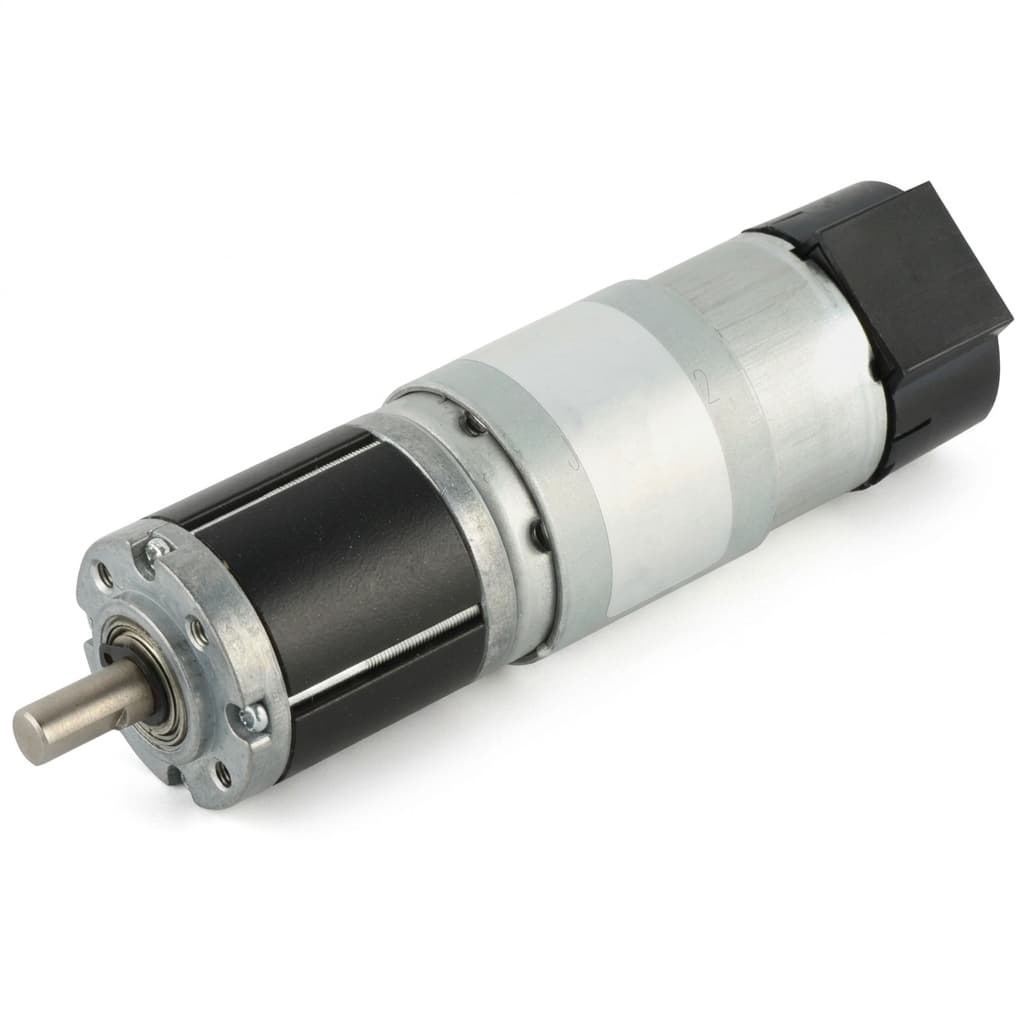
Small machined gear and shaft parts for planetary gearbox tolerance control
Micro planetary gear machining sample for tooth profile and surface inspection
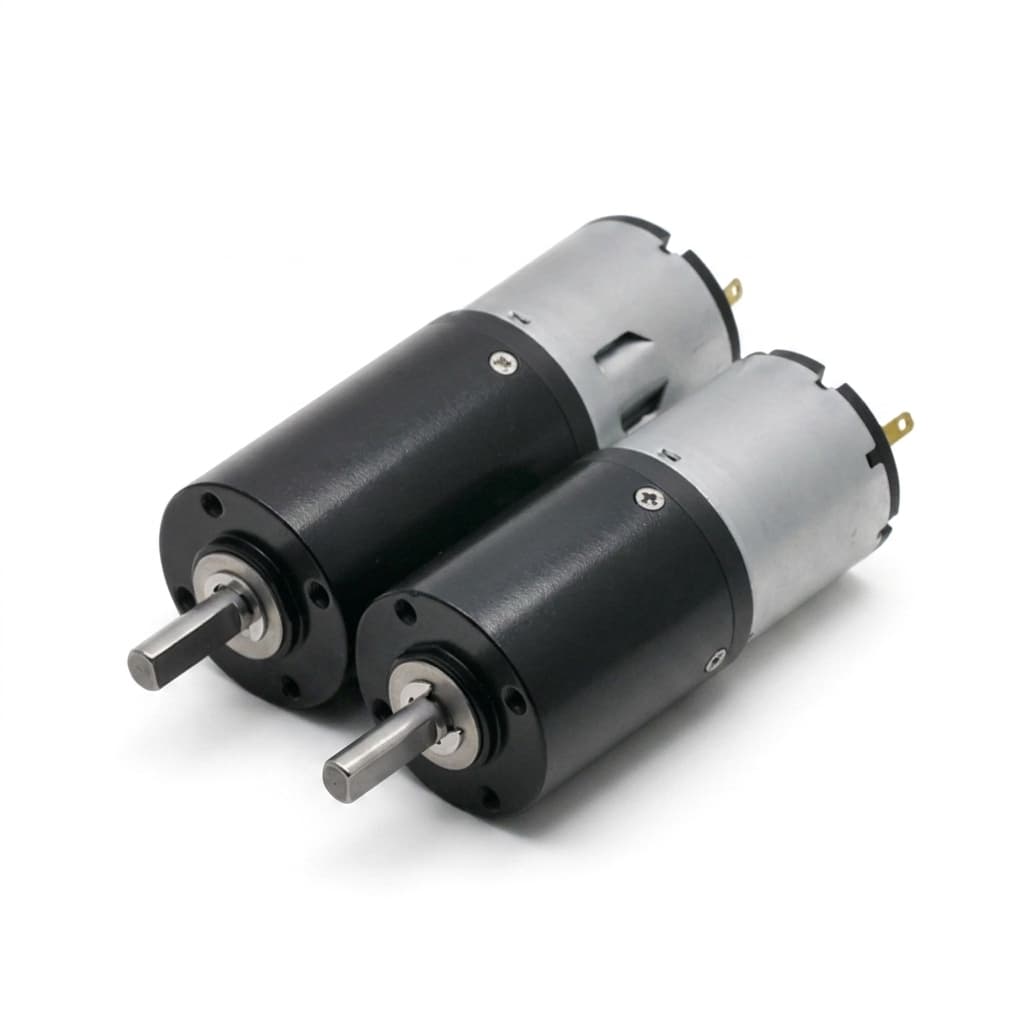
Miniature gear component set for hobbing powder metallurgy and molding review
Precision gear machining reference for backlash noise and durability validation
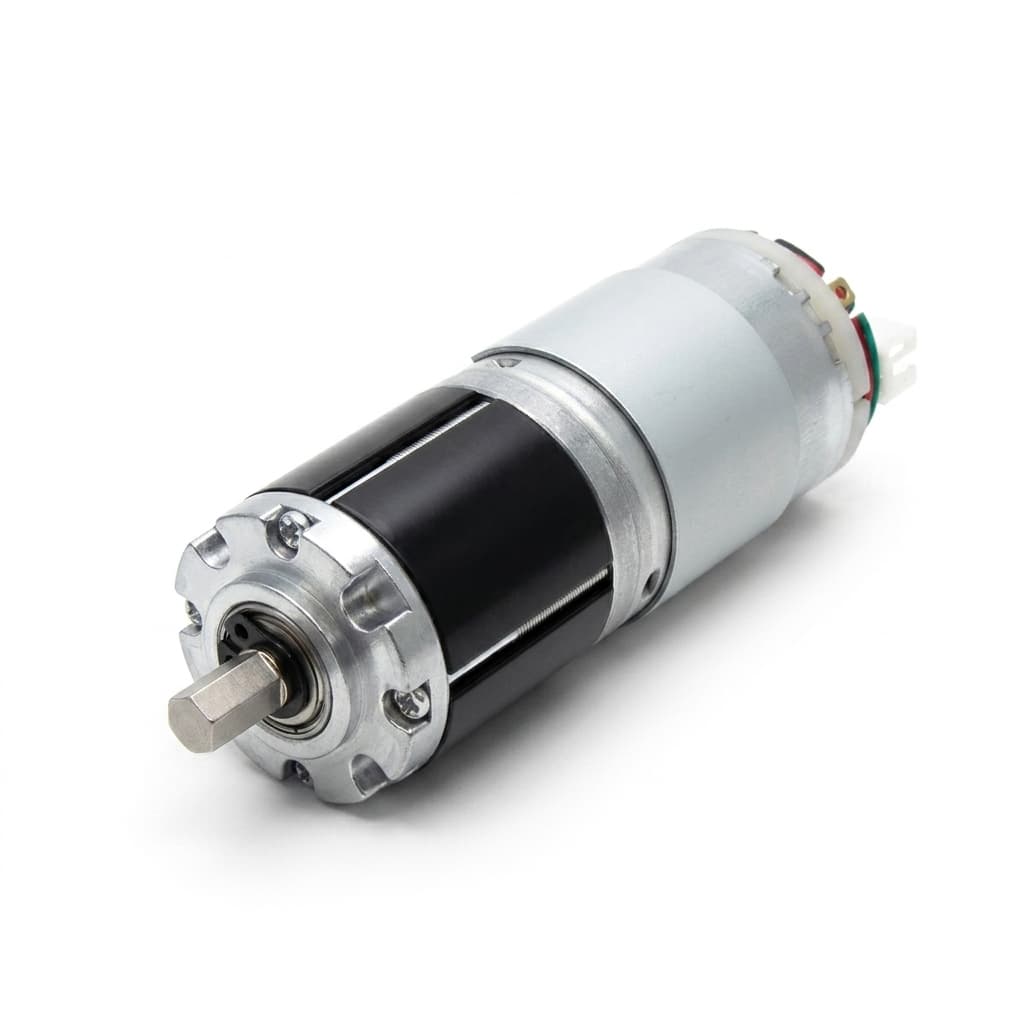
Compact metal gear component for planetary gearbox first-article inspection

Buyer FAQ

How is gear production coordinated?

Gear hobbing, powder metallurgy sourcing, and molding routes are selected against the drawing, material plan, tolerance target, and volume.

Can you customize the gear profile?

Profile changes such as pressure angle or tooth correction can be reviewed when the noise, efficiency, and tooling trade-offs are clear.

What is the minimum order for custom gears?

MOQ and tooling depend on material, process, drawing complexity, and annual volume.

What inspection data is useful for custom gear approval?

Useful records include tooth profile, bore fit, runout, center distance, backlash, noise, grease note, and the approved drawing revision.

Related Resources

Inquiry Email

[email protected]

Include OD/length, voltage, torque, loaded speed, ratio, drawings, quantity, and destination.

Instant Chat

WhatsApp Engineering Support

Fast channel for clarifying specs, drawings, and sample timing.