LogoMicro Planetary Motor
Start inquiry
LogoMicro Planetary Motor
WhatsApp
LogoMicro Planetary Motor

China-based industrial OEM supplier supporting customization, quality control, and global delivery.

Inquiry Email

[email protected]

Email app

Include OD/length, voltage, torque, loaded speed, ratio, drawings, quantity, and destination.

Instant Chat

+86 18857971991

Chat on WhatsApp

Fast channel for clarifying specs, drawings, and sample timing.

Products
  • Micro DC Planetary Gear Motor
  • Micro BLDC Planetary Gear Motor
  • Encoder Micro Planetary Gear Motor
  • Miniature Planetary Gearboxes
  • Custom OEM Drive Assemblies
  • Coreless Micro Planetary Motors
  • Low Backlash Planetary Motors
  • Low Noise Micro Planetary Motors
  • High Torque Miniature Motors
  • Metal Gear Planetary Drives
Solutions
  • Robotics & AGV
  • Medical Devices
  • Smart Lock Actuators
  • Valve Actuators
  • Optical Instruments
  • Industrial Automation
OEM Capabilities
  • Custom Engineering
  • Gear Machining
  • Testing & Validation
  • Export & Logistics
Resources
  • Blog
  • About
  • Contact / RFQ
  • Quality & Testing
  • Privacy Policy
  • Cookie Policy
  • Terms of Service
© 2026 Micro Planetary Motor. All Rights Reserved.|Micro Planetary Motor is the micro drive product site operated by Linkup Ai Co., Ltd.; manufacturing programs are coordinated through the Linkup Precision manufacturing network.|Traceable process checks | RoHS, REACH, and applicable CE file support by project scope
← Back to Solutions

Smart Lock Actuators

Compact micro planetary gear motors for smart locks, cabinet locks, and latch mechanisms where stall torque, noise, and battery current must be balanced.

Target Buyer:For lock OEMs and access-control integrators designing compact electromechanical latch modules.
Send RFQEmail specs
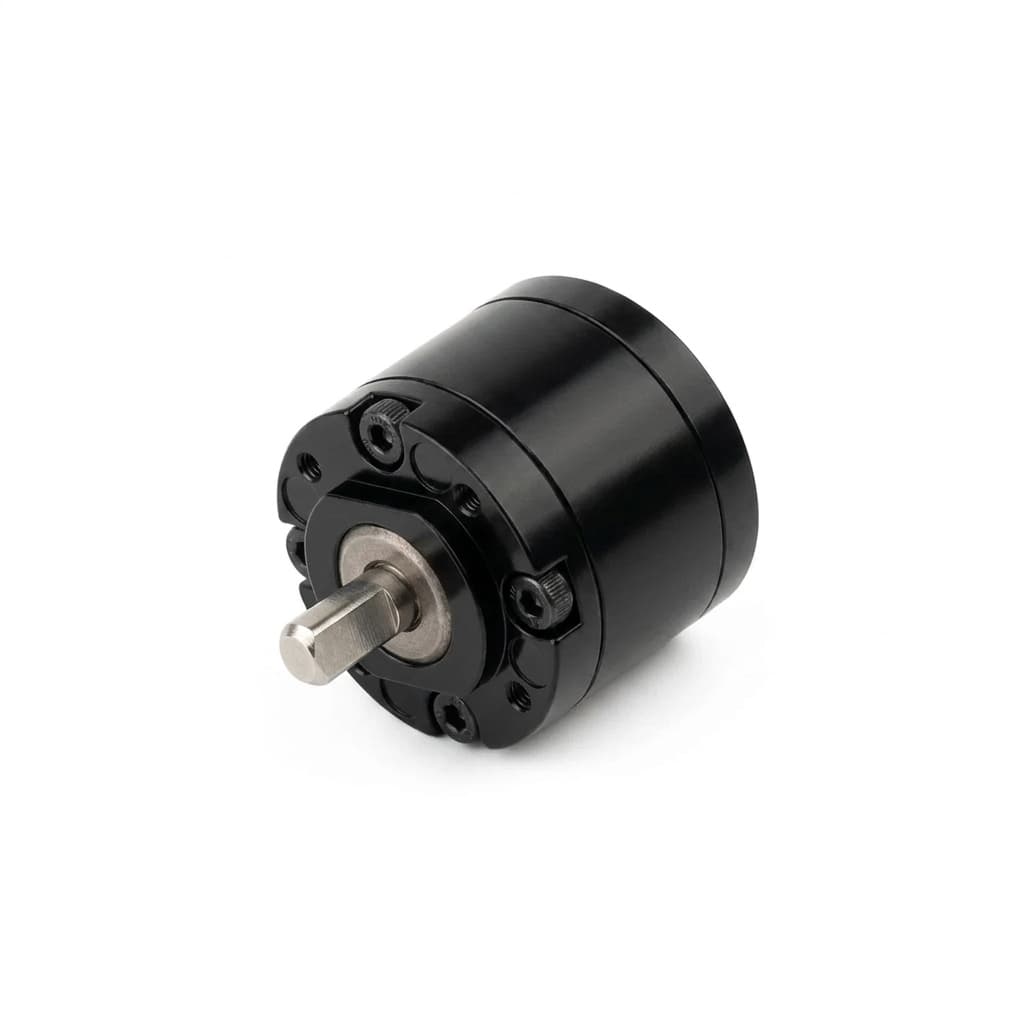
Compact micro planetary gear motor for smart lock latch actuator

Solution Highlights

  • Compact 6mm-16mm options
  • Low-current battery operation
  • Custom shaft and cable exits

Common Use Cases

  • Door Locks
  • Cabinet Locks
  • Latch Release Modules

Implementation Focus

  • Stall torque margin
  • Low-noise gear mesh
  • Connector and wire routing
  • Battery current, standby leakage, and short-cycle thermal margin

Application Evaluation Matrix

Evaluation MetricTypical RangeBuyer Relevance
Frame Size6mm-16mm ODLock bodies leave little space for motor length, cable bend radius, and gearbox diameter.
Duty ProfileShort intermittent cyclesShort actuations require high stall margin without wasting standby battery capacity.
Acoustic TargetApplication-defined dB limitResidential and hotel locks need quiet operation without sacrificing positive latch movement.

Selection Logic

Decision PointRecommended PathValidation Input
Torque margin for latch releaseStart from worst-case unlock torque, then select ratio and frame size with stall margin instead of choosing by no-load RPM.Latch torque curve, travel angle or stroke, target unlock time, and end-stop behavior.
Noise versus lock forceUse low-noise gear material or hybrid stages when acoustic comfort matters, and reserve metal stages for high seal friction.Noise limit, measurement distance, housing condition, and repeated-cycle friction data.
Cable and shaft integrationFreeze shaft profile, flange datum, cable exit, and connector before pilot builds to avoid housing interference.2D shaft drawing, mating lock CAD, connector drawing, and installation sequence.

Production and QC Flow

StageControl PointBuyer Evidence
Mechanism reviewConfirm latch force, travel, shaft engagement, and cable clearance against buyer CAD before sample configuration.Approved interface drawing, torque baseline, and connector/cable option list.
Sample acceptanceCheck unlock current, stall torque, noise, direction, and cycle repeatability under a buyer-like latch load.Sample report with current, speed, noise, and pass/fail latch test notes.
Production controlApply EOL speed/current/noise checks and pack by revision to protect shafts and cable exits.EOL inspection limits, lot labels, packaging plan, and outgoing inspection record.

RFQ Preparation Checklist

  1. Unlock torque and stall torque
  2. Battery voltage and sleep-current limits
  3. Allowed gearbox noise at lock distance
  4. Shaft profile, cable exit, and connector drawing
  5. Latch travel angle or stroke and target unlock time
  6. Cycle-life target and worst-case seal or spring friction

Risk and Mitigation

  • Unlock failure under high seal friction: Define worst-case latch torque and select a ratio with stall margin before sample build.
  • Audible gear whine: Use low-noise gear materials, controlled grease, and EOL acoustic checks for approved programs.
  • Cable interference inside lock housing: Freeze connector, cable exit angle, and drawing revision in the RFQ package.

Recommended Products

8mm micro planetary motor for compact lock mechanism
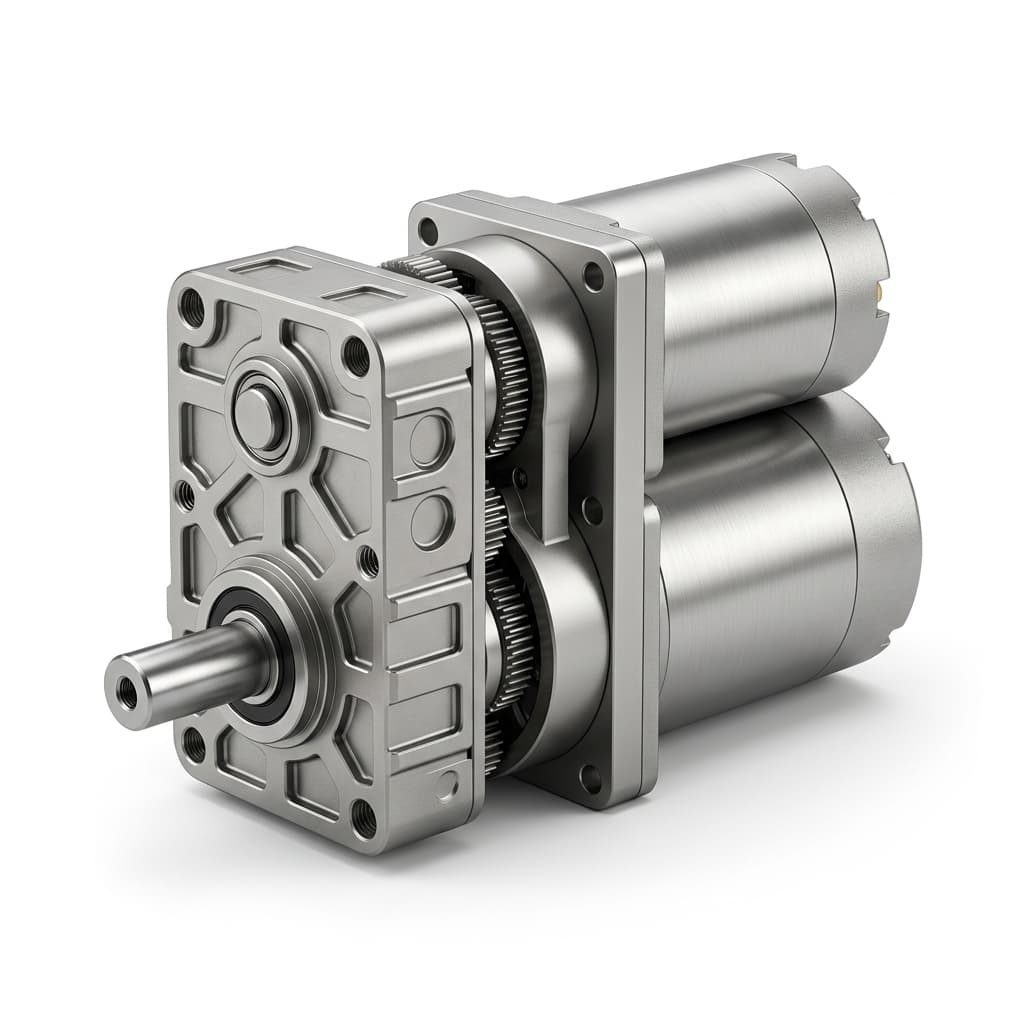
Low-noise planetary gear motor for access control hardware

Buyer FAQ

Can you support custom shafts for lock cylinders?

Yes. Send the shaft profile, engagement length, and housing drawing so the shaft and flange can be matched to the lock mechanism.

Which motor type is typical for battery locks?

Brushed DC and coreless planetary motors are common when cost, short duty cycle, and compact size are the main constraints.

What should we test first in samples?

Measure unlock torque margin, current draw, noise, and repeated cycle behavior under worst-case latch friction.

Related Resources

  • Micro DC Planetary Gear Motor
  • Low Noise Micro Planetary Motors
  • Custom Shaft & Flange Design
  • Quality & Validation
  • Contact Sales Engineering

Inquiry Email

[email protected]

Email app

Include OD/length, voltage, torque, loaded speed, ratio, drawings, quantity, and destination.

Instant Chat

+86 18857971991

Chat on WhatsApp

Fast channel for clarifying specs, drawings, and sample timing.