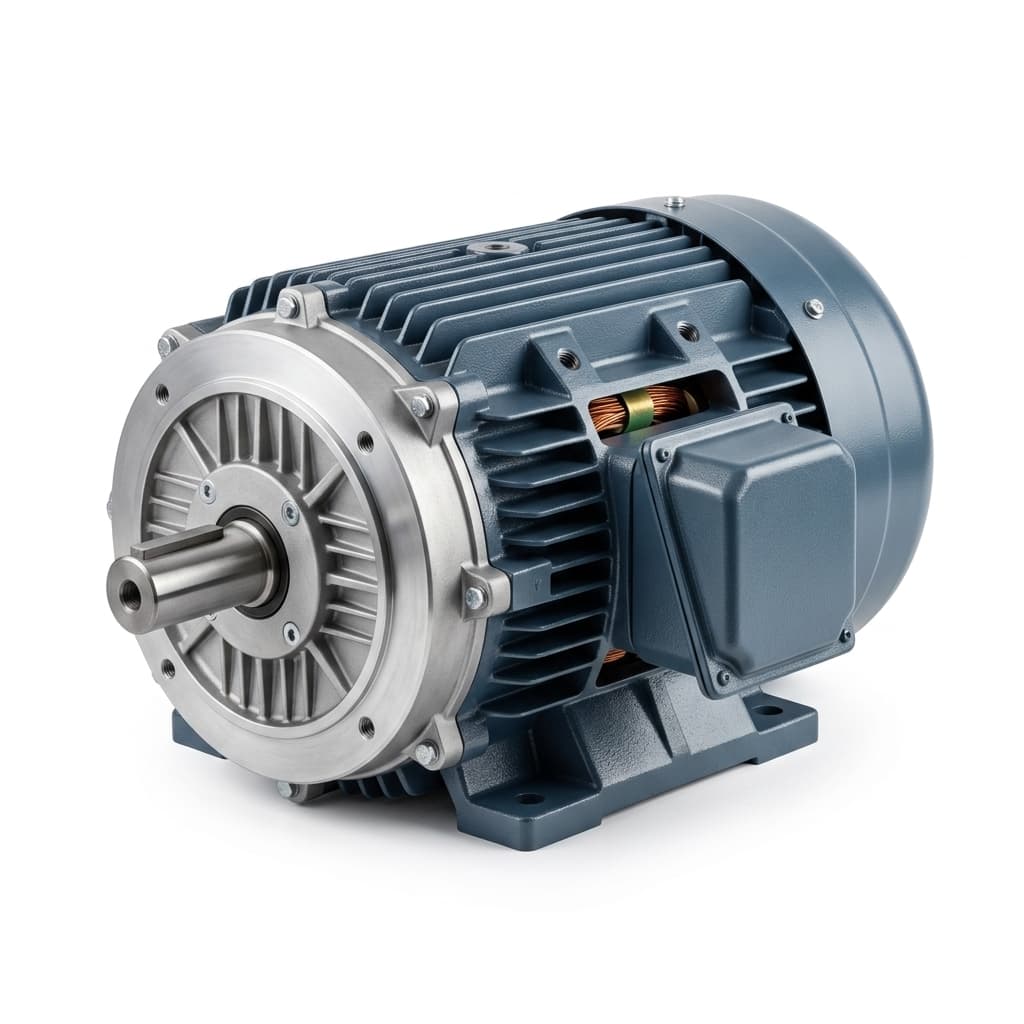
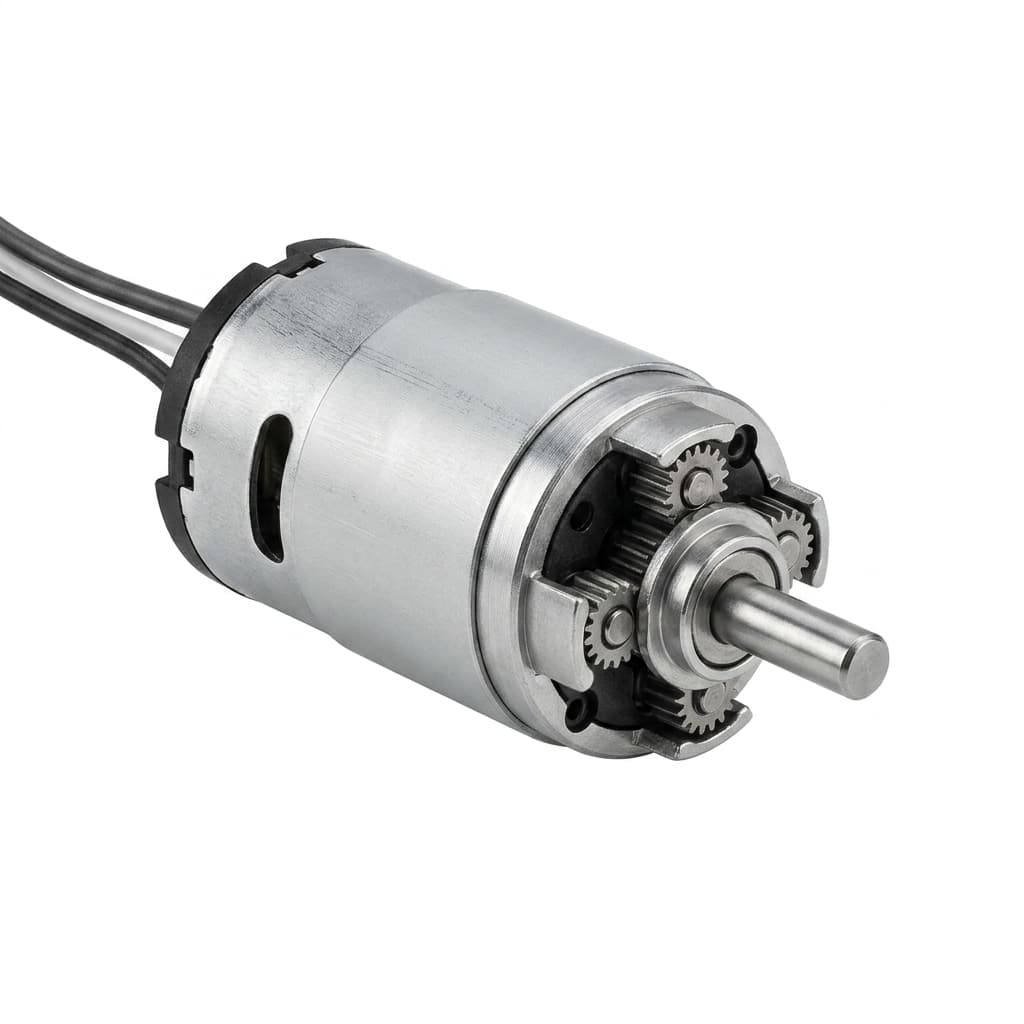
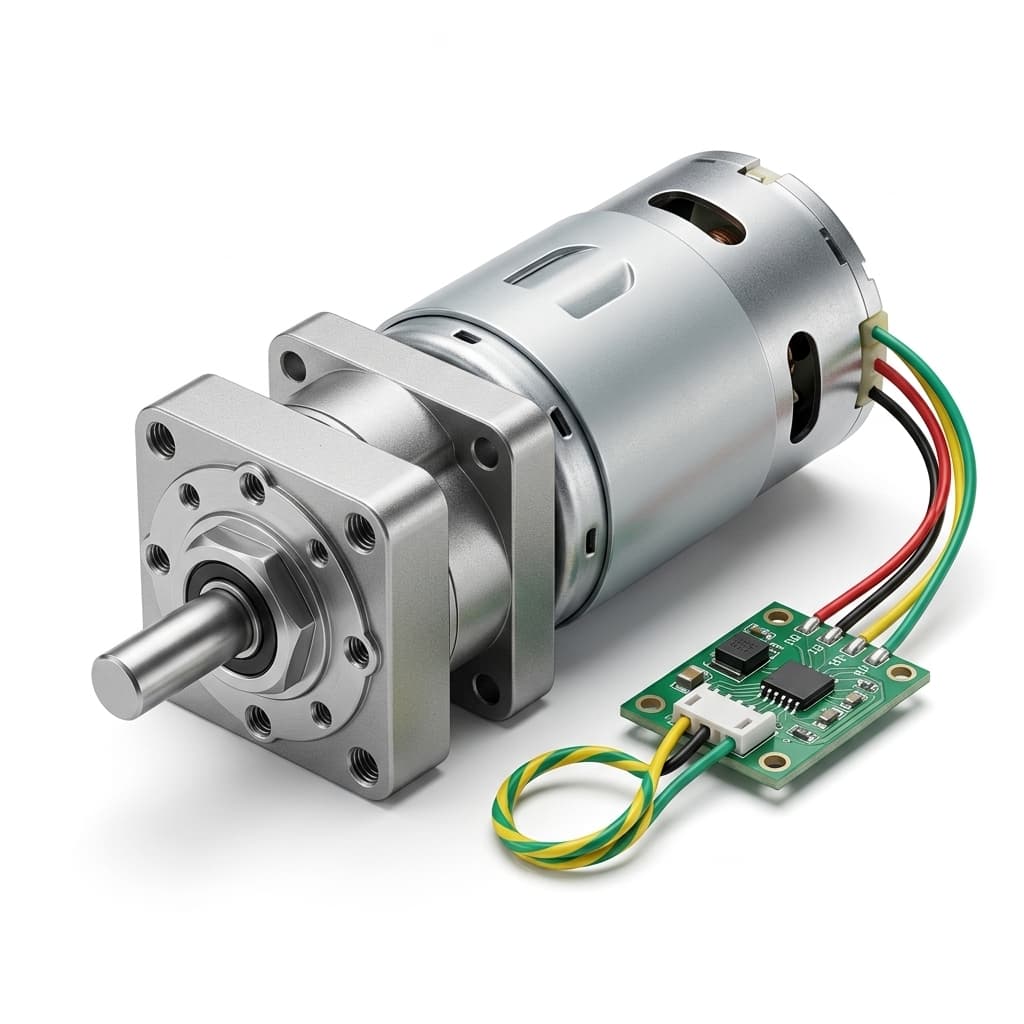
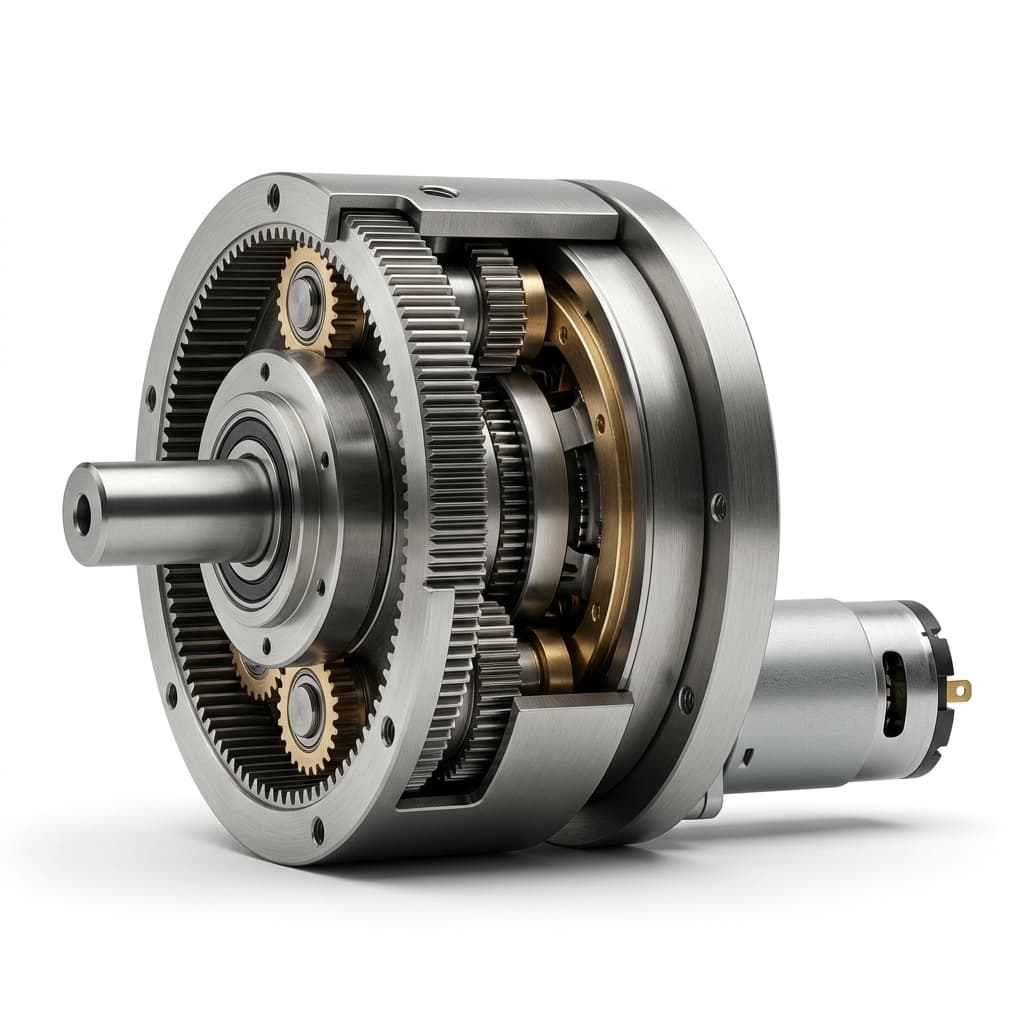
Product categories for compact OEM sourcing, from 6mm-42mm brushed and BLDC planetary gear motors to encoder drives, miniature gearboxes, and custom assemblies.
Use this page as a pre-RFQ navigator: pick the product family, capture the correct engineering inputs, and move directly to sample validation criteria that buyers can approve.
How to Select the Right Path
Define required torque at target speed and acceleration profile.
Choose motor and feedback architecture (DC, BLDC, coreless, encoder, Hall, or custom harness).
Set sample acceptance criteria before quotation freeze.
Constraint-First Shortlist
Start With the Constraint the Buyer Already Knows
Many RFQs begin with only one hard constraint: envelope, noise, positioning, torque, or a drawing-controlled interface. Use this shortlist to route the first conversation into a product page and the evidence needed before sampling.
Choose the 6mm-42mm Platform Before Freezing Ratio or Torque
Use this matrix to narrow the first platform candidate by external diameter, product family, ratio range, torque window, gear material, and RFQ evidence. Values are buyer reference windows; the final winding, stage count, output speed, efficiency, and CAD envelope are confirmed against load profile and duty cycle.
Alloy, MIM, or hardened metal stages with shaft support review
Best-Fit Buyer Use
Heavy compact actuators, drive wheels, outdoor equipment, and industrial axes.
RFQ Emphasis
Full load case, installation CAD, shaft interface, annual volume, and target lead time.
Common neighboring frames such as 20mm, 24mm, 28mm, and 32mm are handled during RFQ review when the listed diameter class is close but not enough for torque, life, or thermal margin. Final feasibility, drawings, sample timing, and production pricing are confirmed after review of drawings, load profile, validation scope, and volume forecast.
Application Routing
Route the RFQ by Use Case After Diameter Is Narrowed
Diameter defines the envelope, but the application decides which risk to validate first. Use this routing table to move from product browsing into the correct solution page, first product candidate, and RFQ evidence package.
Decide POM, Hybrid, or Metal Stages Before Sample Build
The same motor diameter can behave very differently once noise, stall load, backlash, heat, and wear targets are applied. Use the material guide to prepare the gear-stage assumptions buyers should include in the first RFQ.
Compact brushed DC planetary gear motors from 6mm to 42mm for OEM teams that need practical torque, simple control electronics, configurable ratios, and a clear path from sample validation to repeat production.
Best for high-volume OEMs that need reliable cost-performance motion, short sample cycles, and enough customization flexibility to lock the shaft, voltage, gear material, and cable interface before tooling.
Long-life brushless DC planetary gear motors for OEM products that need continuous duty, electronic speed control, low electrical noise, and better service life than brushed DC platforms in the same compact envelope.
Ideal for industrial, medical, and service devices where buyers need long duty cycles, predictable thermal behavior, and an agreed driver strategy before the mechanical package is released.
Closed-loop micro planetary gear motors with magnetic or optical feedback for OEM motion systems that need measurable speed, direction, homing, or positioning data instead of open-loop timing assumptions.
Best for robotics, automation, optics, and actuator teams that need supplier-supported feedback resolution, wiring control, and acceptance tests for repeatable movement.
Standalone precision planetary gearboxes from 6mm to 42mm for engineering teams that already have a motor platform but need a validated reduction stage, input pinion match, output interface, and production inspection plan.
For teams that already have a motor supplier but need high-quality reduction gearheads.
Low-inertia coreless micro motors paired with planetary gearheads for compact mechanisms that need smooth low-speed behavior, fast start/stop response, low cogging, and careful current control.
For designers needing rapid response times and smooth rotation at low speeds, especially where a small brushed motor can still meet the life target more simply than a BLDC system.
High-precision micro planetary gear motor assemblies engineered to reduce lost motion in reversing, indexing, optics, gimbal, and robotic positioning systems where backlash must be measured at the output under a defined load.
For mechatronics engineers where positional repeatability is a primary design constraint and where the team can define how backlash, stiffness, and repeatability will be measured in the final mechanism.
Acoustically optimized micro planetary gear motors using selected gear materials, grease, input-stage geometry, and fixture-aware testing for OEM products where motor noise affects comfort, perceived quality, or equipment acceptance.
For medical, consumer, and office-device OEMs where acoustic comfort is a product requirement and the buyer can define the dBA limit, test distance, enclosure, and operating load.
Heavy-duty miniature planetary gear motors with reinforced carriers, metal gear train options, and output support reviews for applications that need higher torque density without ignoring heat, shock, stall, and shaft loading limits.
For industrial equipment designers needing higher torque density in a small envelope, especially where the buyer can define continuous torque, peak torque, jam frequency, and controller cutoff behavior.
Durable micro planetary drives using powder metallurgy, machined steel, brass, or mixed metal gear stages when shock load, temperature, stall survival, humidity, or material compliance matters more than the lowest acoustic noise.
For engineers operating in harsh environments where plastic stages may be unsuitable and where material choice must be tied to temperature, shock, grease, corrosion, noise, and validation evidence.
Best for high-volume OEMs that need reliable cost-performance motion, short sample cycles, and enough customization flexibility to lock the shaft, voltage, gear material, and cable interface before tooling.
Diameter Range: 6mm - 42mm
Determines the physical space required for integration.
Ideal for industrial, medical, and service devices where buyers need long duty cycles, predictable thermal behavior, and an agreed driver strategy before the mechanical package is released.
Lifespan: 10,000+ hours
Important when maintenance access is limited in industrial or regulated device programs.
Best for robotics, automation, optics, and actuator teams that need supplier-supported feedback resolution, wiring control, and acceptance tests for repeatable movement.
Encoder CPR: 3 - 1000 CPR
Dictates the positioning resolution capability of the system.
For designers needing rapid response times and smooth rotation at low speeds, especially where a small brushed motor can still meet the life target more simply than a BLDC system.
For mechatronics engineers where positional repeatability is a primary design constraint and where the team can define how backlash, stiffness, and repeatability will be measured in the final mechanism.
Backlash: < 30 arc-minutes
Important for limiting lost motion in reversing systems.
For medical, consumer, and office-device OEMs where acoustic comfort is a product requirement and the buyer can define the dBA limit, test distance, enclosure, and operating load.
Acoustic Emission: < 45 dBA at 30cm
Helps compare samples against buyer-defined comfort or equipment noise targets.
For industrial equipment designers needing higher torque density in a small envelope, especially where the buyer can define continuous torque, peak torque, jam frequency, and controller cutoff behavior.
Peak Torque Capability: Up to 3x nominal
Determines the ability to push through unexpected mechanical jams.
For engineers operating in harsh environments where plastic stages may be unsuitable and where material choice must be tied to temperature, shock, grease, corrosion, noise, and validation evidence.
Operating Temperature: -30°C to +120°C
Metal gears can tolerate temperature and load conditions that may deform plastics.
Best for high-volume OEMs that need reliable cost-performance motion, short sample cycles, and enough customization flexibility to lock the shaft, voltage, gear material, and cable interface before tooling.
Key Metric
Diameter Range: 6mm - 42mm
Why It Matters
Determines the physical space required for integration.
Ideal for industrial, medical, and service devices where buyers need long duty cycles, predictable thermal behavior, and an agreed driver strategy before the mechanical package is released.
Key Metric
Lifespan: 10,000+ hours
Why It Matters
Important when maintenance access is limited in industrial or regulated device programs.
Best for robotics, automation, optics, and actuator teams that need supplier-supported feedback resolution, wiring control, and acceptance tests for repeatable movement.
Key Metric
Encoder CPR: 3 - 1000 CPR
Why It Matters
Dictates the positioning resolution capability of the system.
For designers needing rapid response times and smooth rotation at low speeds, especially where a small brushed motor can still meet the life target more simply than a BLDC system.
For mechatronics engineers where positional repeatability is a primary design constraint and where the team can define how backlash, stiffness, and repeatability will be measured in the final mechanism.
Key Metric
Backlash: < 30 arc-minutes
Why It Matters
Important for limiting lost motion in reversing systems.
For medical, consumer, and office-device OEMs where acoustic comfort is a product requirement and the buyer can define the dBA limit, test distance, enclosure, and operating load.
Key Metric
Acoustic Emission: < 45 dBA at 30cm
Why It Matters
Helps compare samples against buyer-defined comfort or equipment noise targets.
For industrial equipment designers needing higher torque density in a small envelope, especially where the buyer can define continuous torque, peak torque, jam frequency, and controller cutoff behavior.
Key Metric
Peak Torque Capability: Up to 3x nominal
Why It Matters
Determines the ability to push through unexpected mechanical jams.
For engineers operating in harsh environments where plastic stages may be unsuitable and where material choice must be tied to temperature, shock, grease, corrosion, noise, and validation evidence.
Key Metric
Operating Temperature: -30°C to +120°C
Why It Matters
Metal gears can tolerate temperature and load conditions that may deform plastics.
Featured Products
A selection of micro planetary gear motors, miniature gearboxes, and compact OEM drive assemblies from the product portfolio.
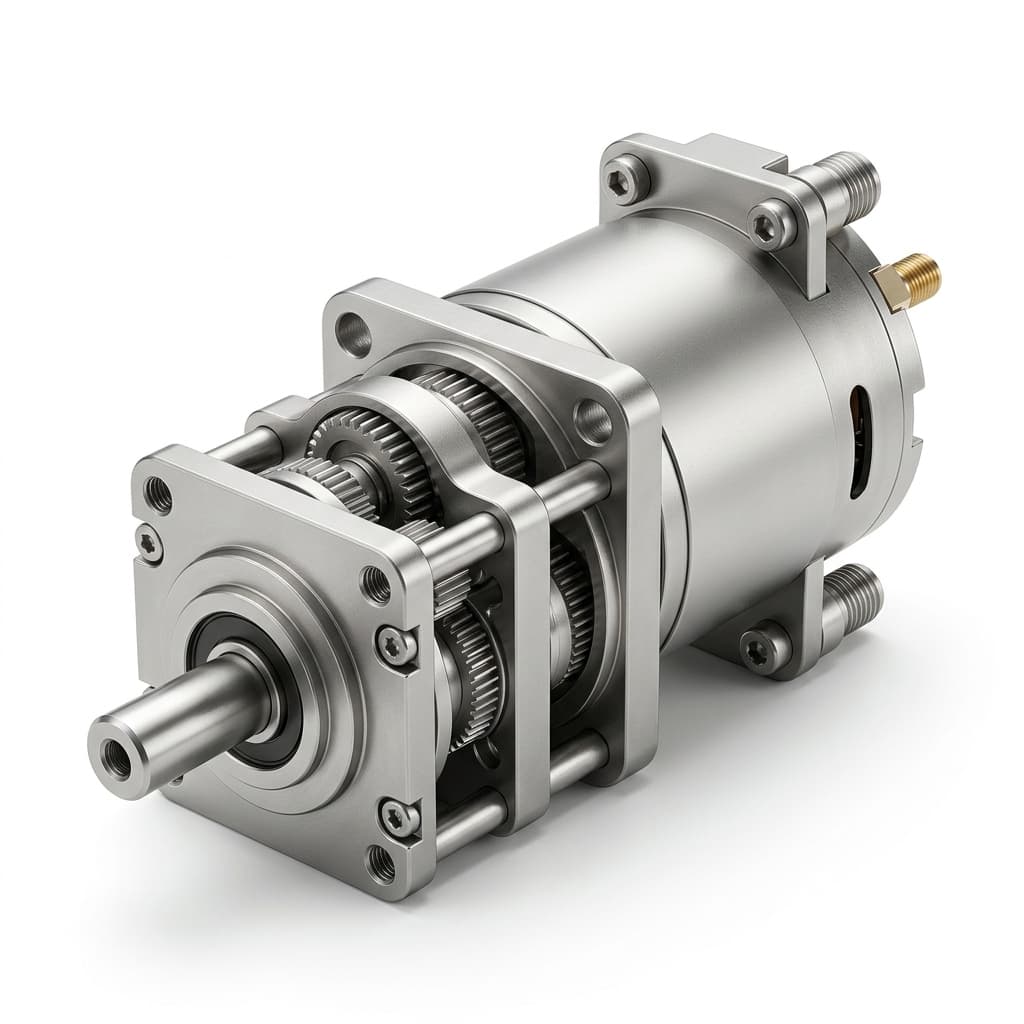
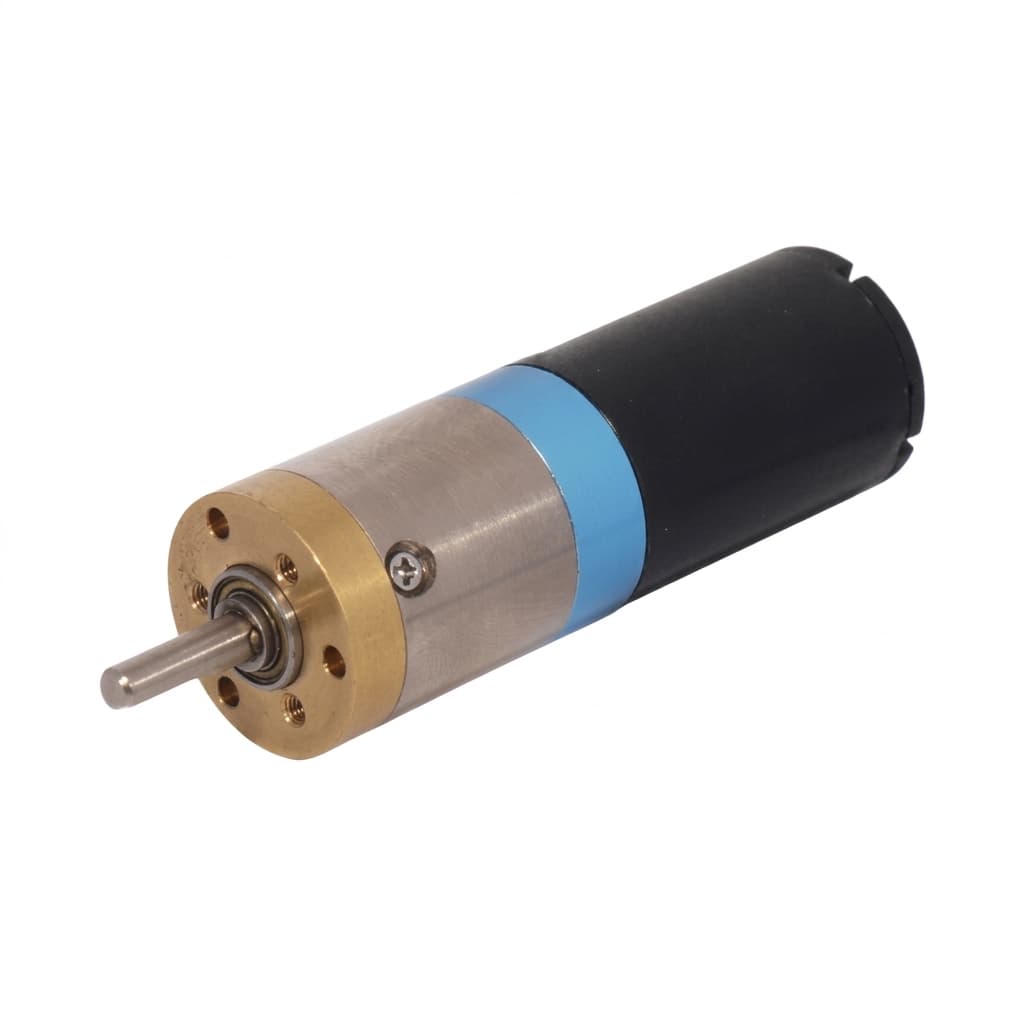
PMDC micro planetary gear motor with cylindrical brushed motor and metal gearbox
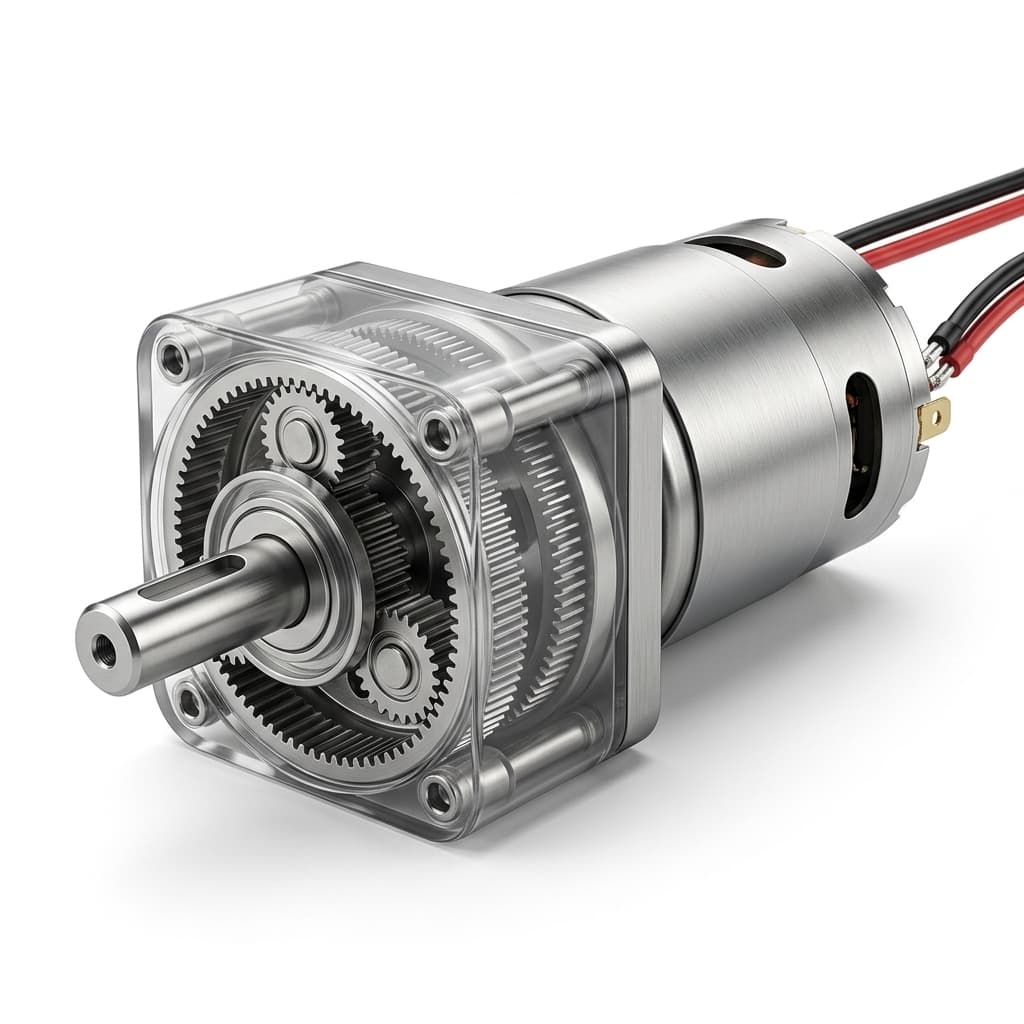
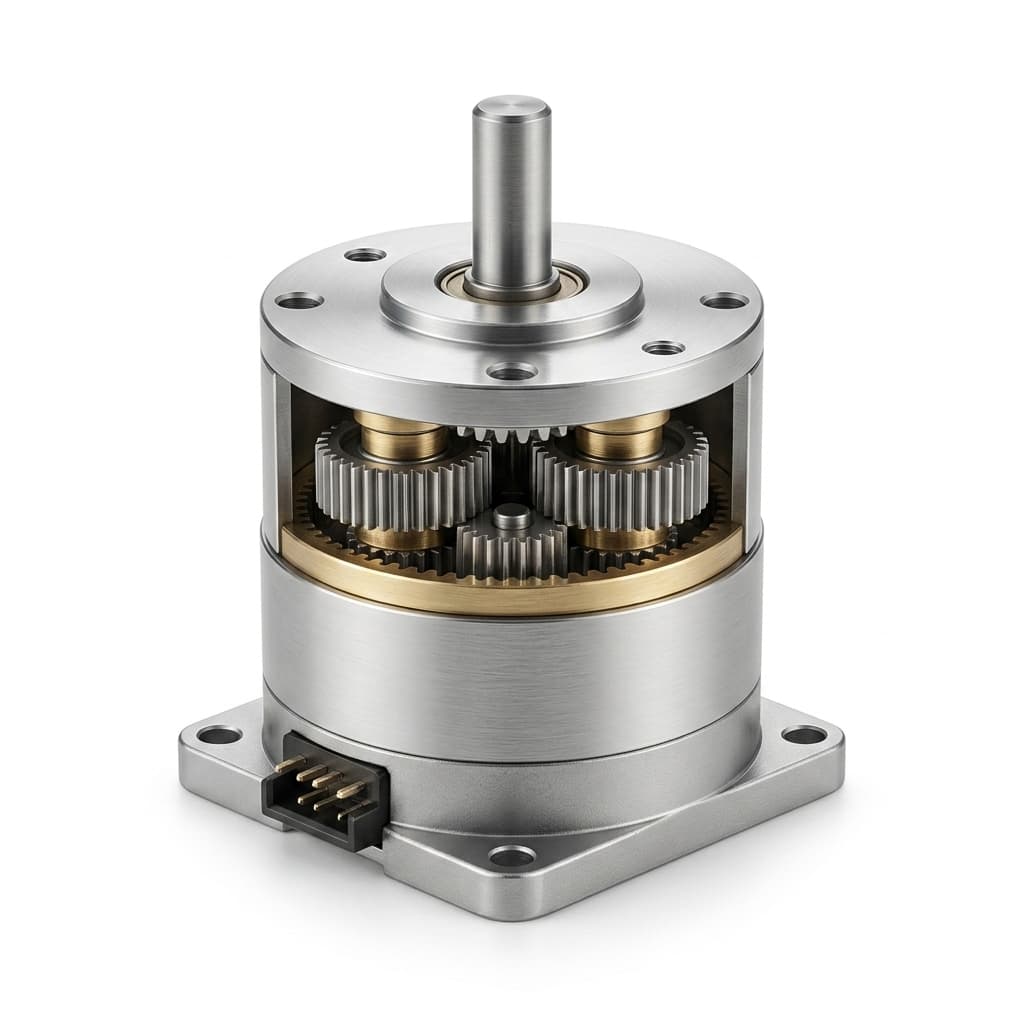
Brushless micro planetary gear motor with integrated compact gearbox for continuous duty
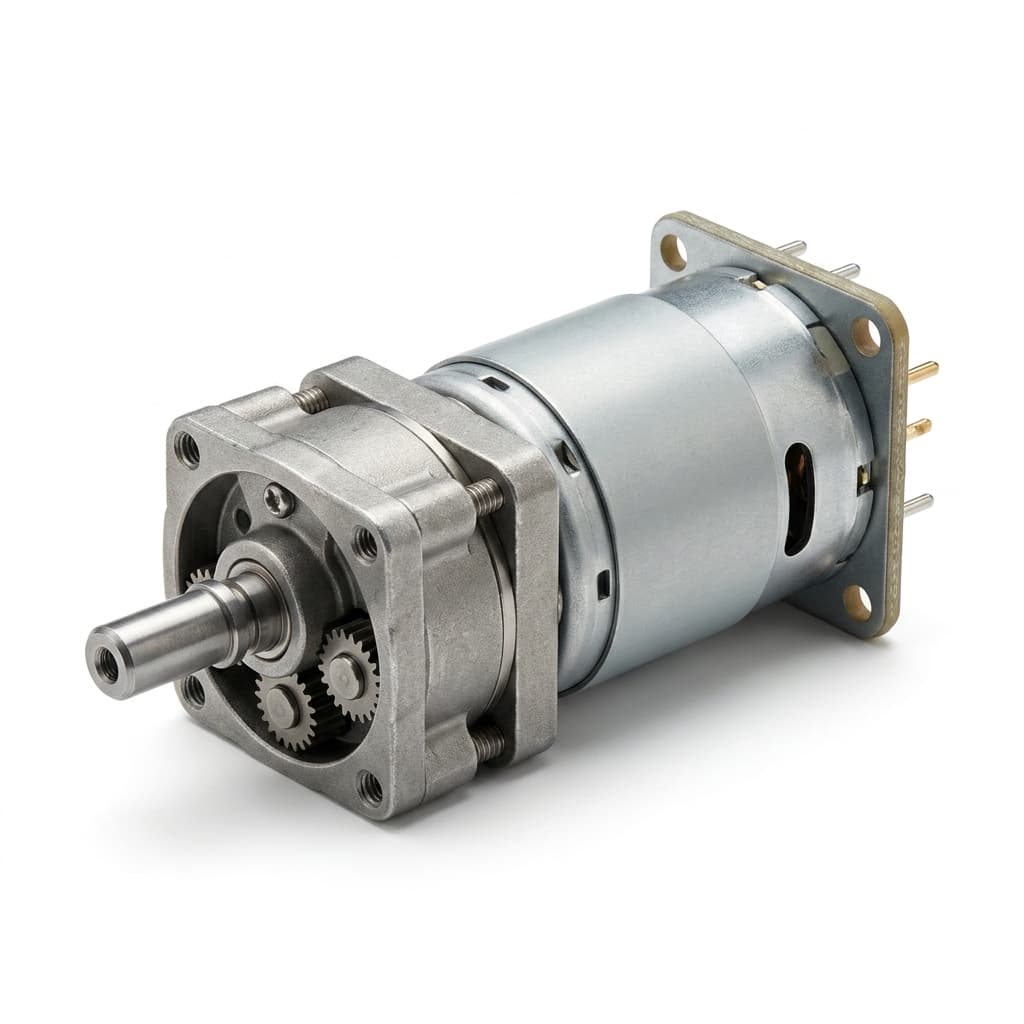
Encoder micro planetary gear motor with rear feedback module for closed-loop control
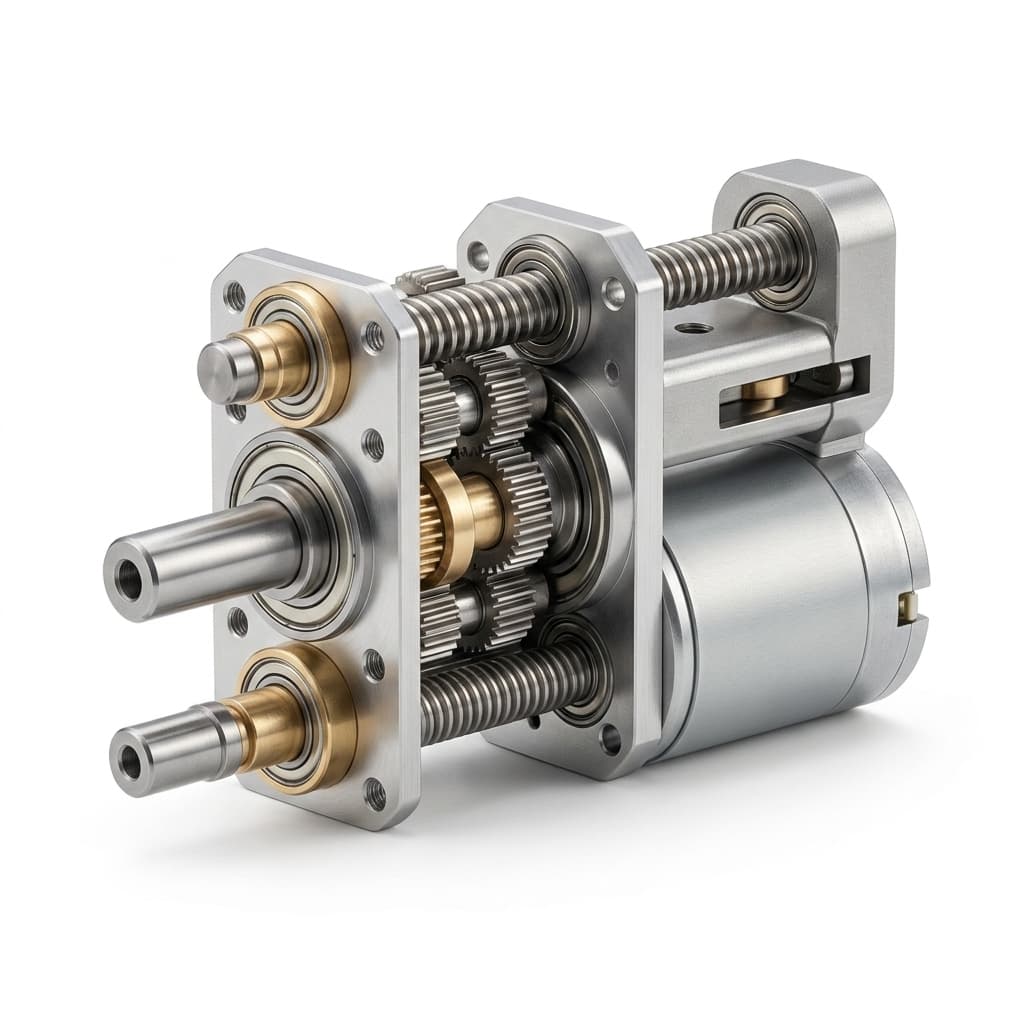
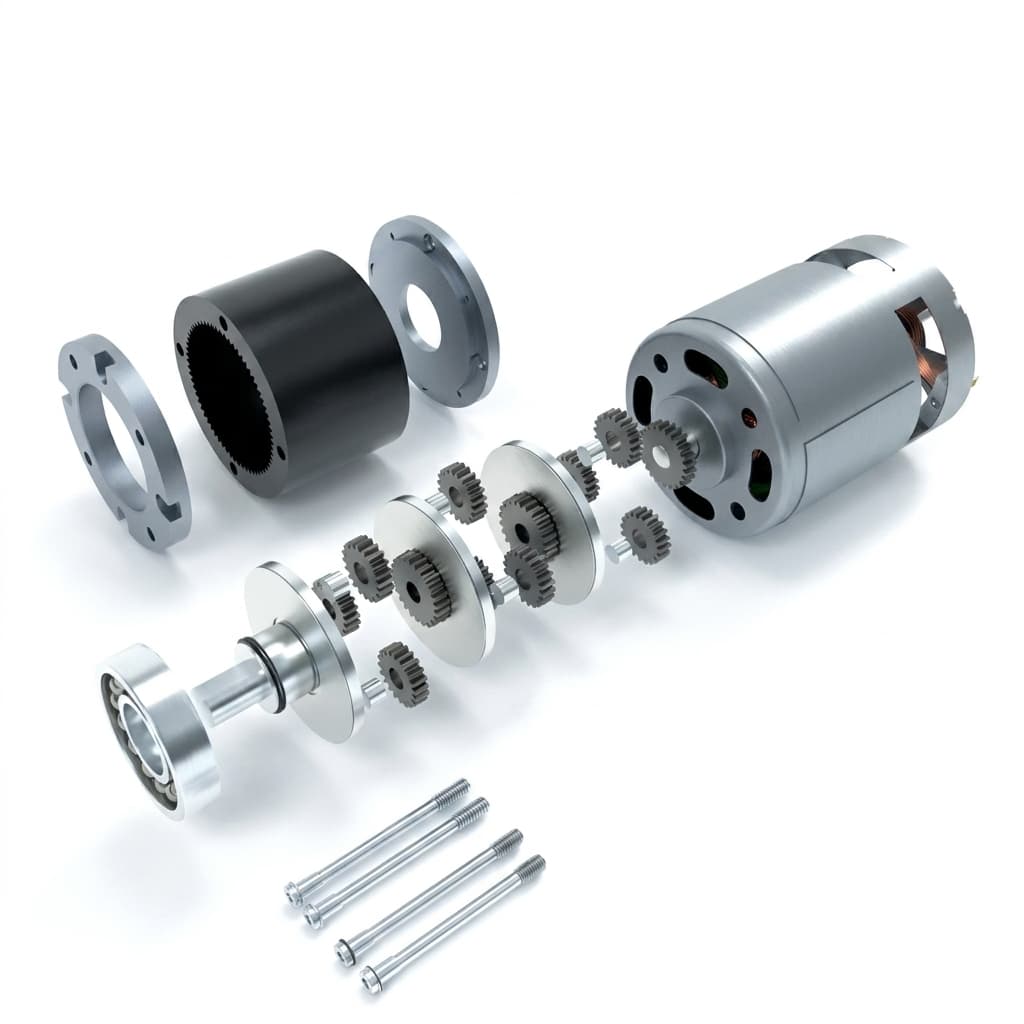
Miniature planetary gearbox with metal output shaft for small motor integration
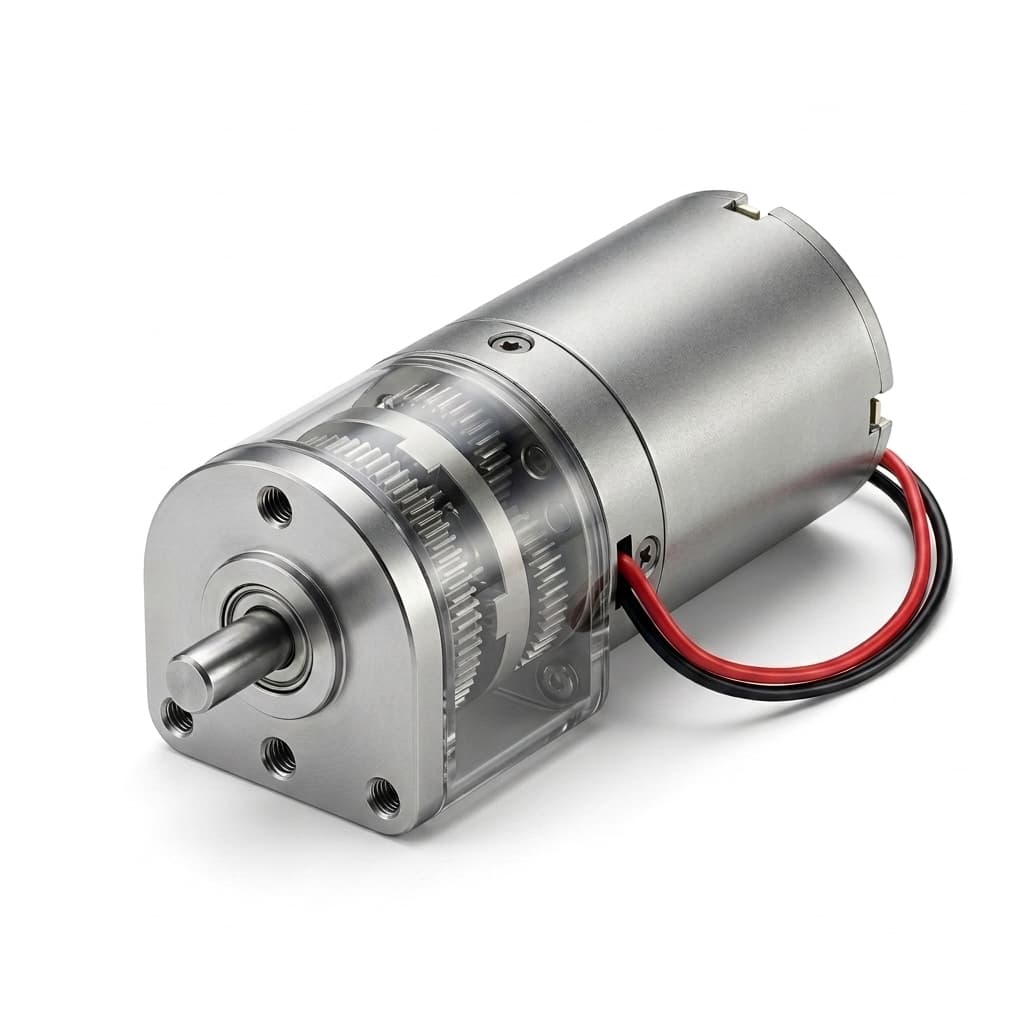
Custom planetary gear motor with modified shaft and gearbox package for OEM assembly
Coreless micro planetary gear motor for low-inertia compact actuator response
Low-noise micro planetary gear motor with quiet gear train for indoor devices
High-torque miniature planetary gear motor with reinforced gearbox for peak loads
CAD / STEP Request
Request Outline Drawings Before You Freeze the Mechanical Design
Share the mating envelope and target duty data so sales engineering can confirm whether an existing outline drawing, STEP/IGES file, or custom shaft and flange proposal is suitable for your project.
1
Installation envelope, mounting pattern, shaft interface, and cable exit.
CAD files are shared by project fit and revision status. For custom shafts, flanges, cable routing, or gearbox interfaces, attach the mating drawing so the first CAD exchange uses the correct mechanical boundary.