← Back to Solutions

Medical Devices

Low-noise micro planetary gear motors for portable pumps, handheld instruments, and patient-adjacent diagnostic equipment where acoustic comfort, traceability, and validation data matter before design freeze.

Target Buyer:For medical device engineering teams that need quiet, traceable drive samples and buyer-defined validation evidence before design freeze.

Solution recommendations are confirmed by RFQ after the real load, envelope, quantity, and validation scope are reviewed.

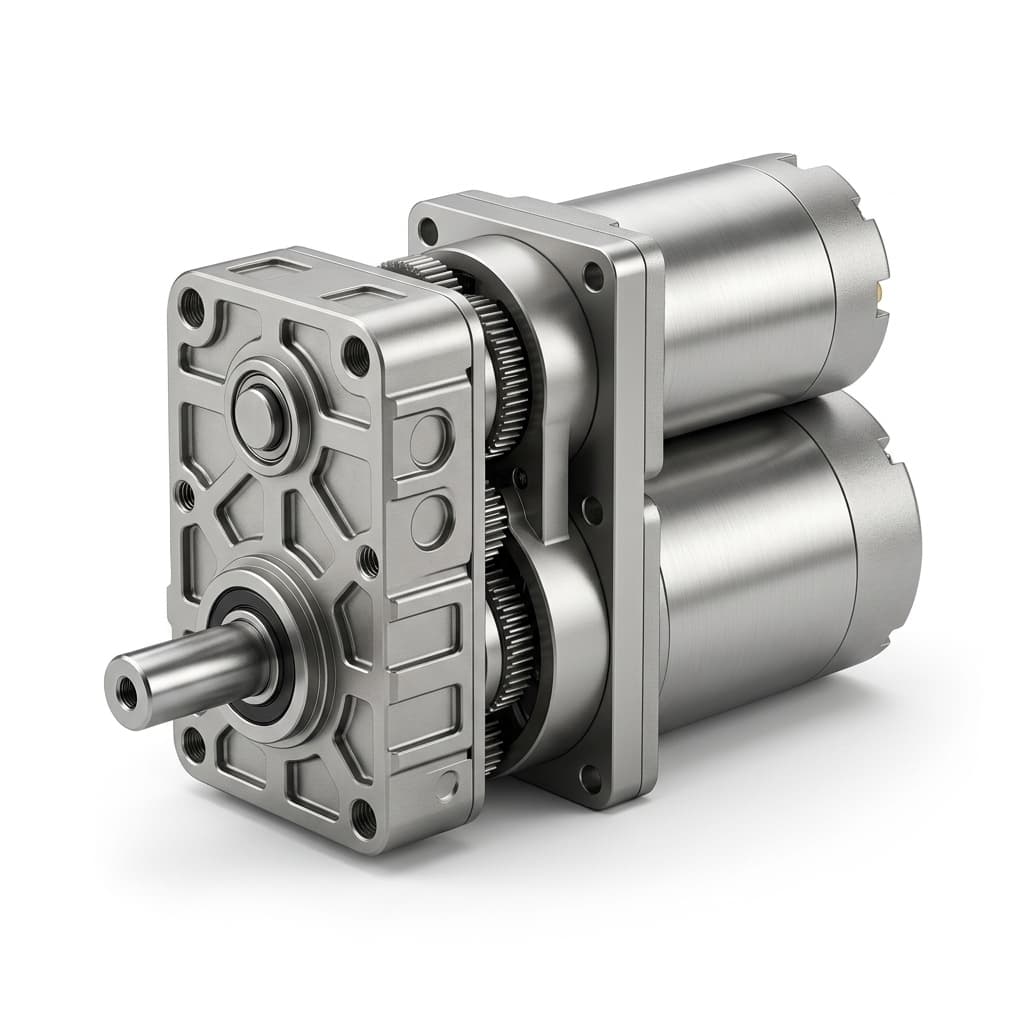
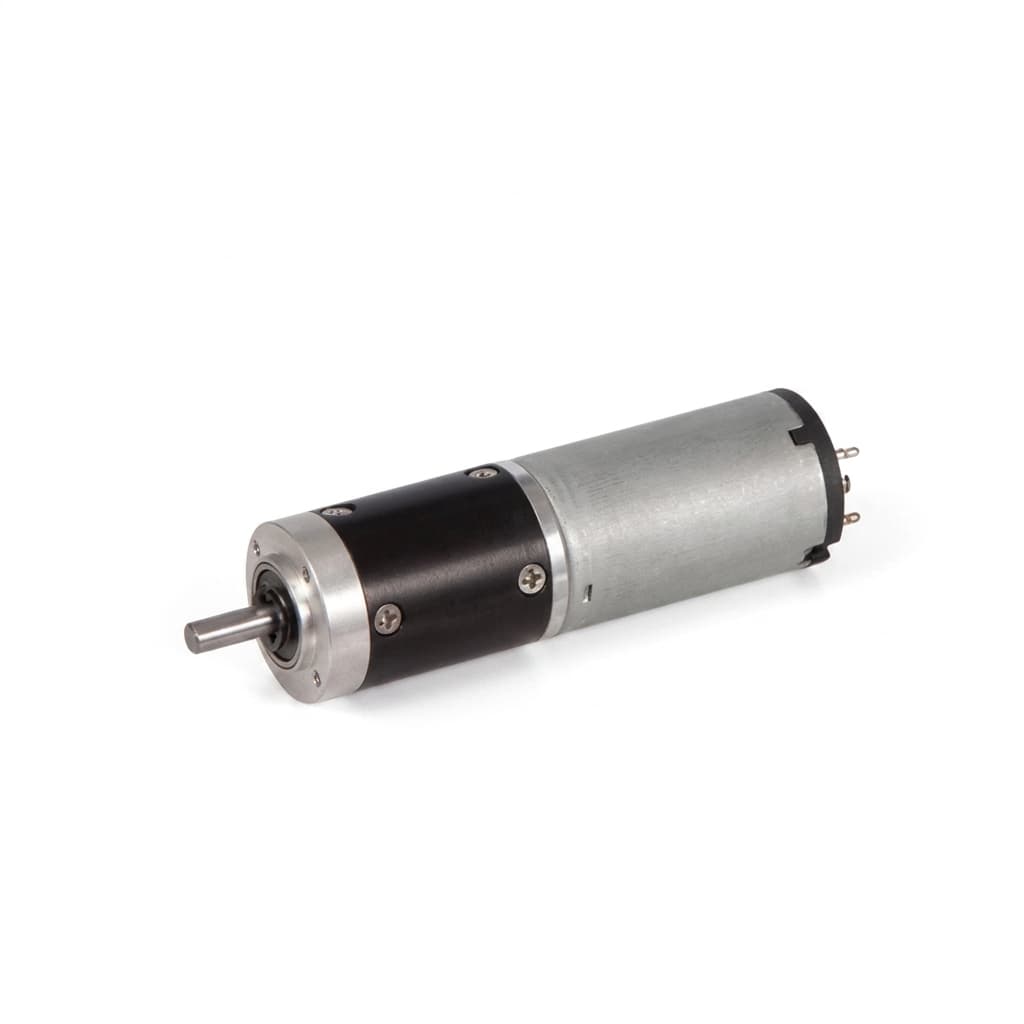
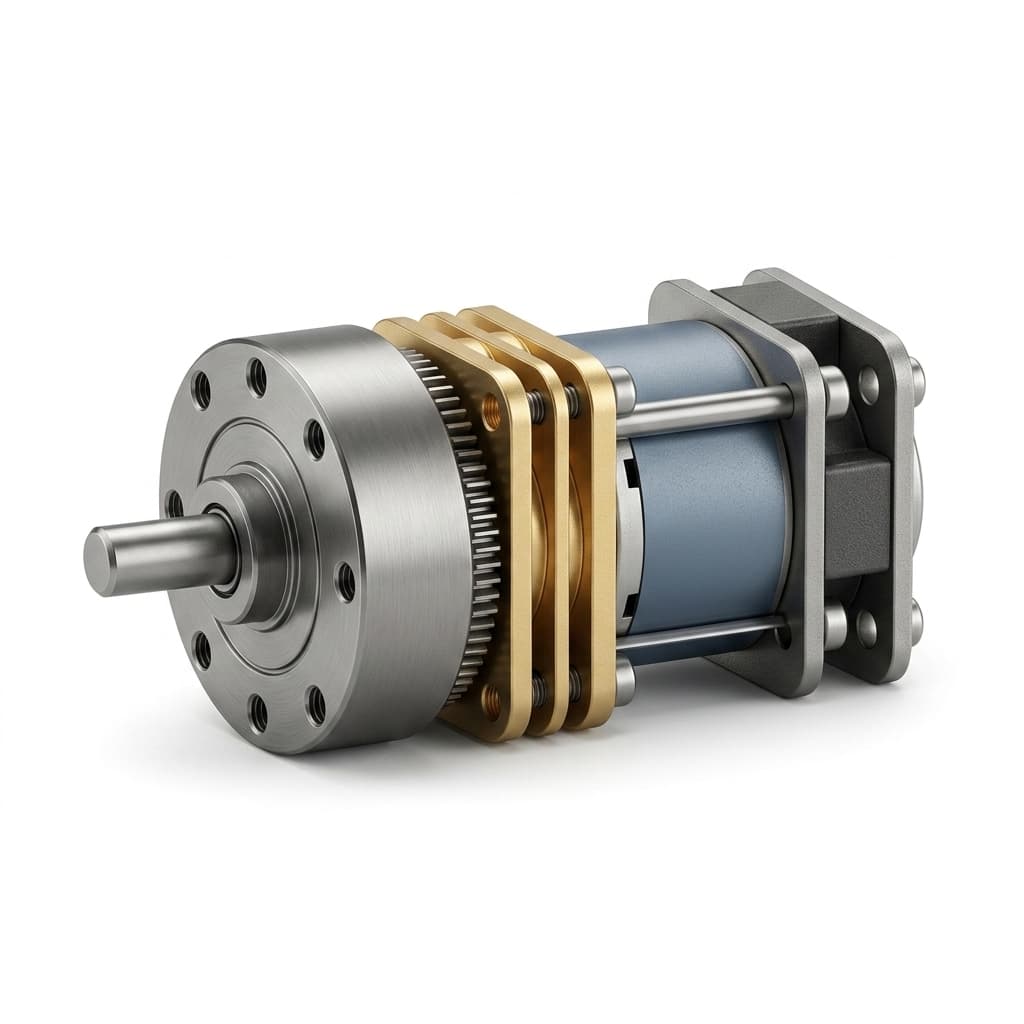
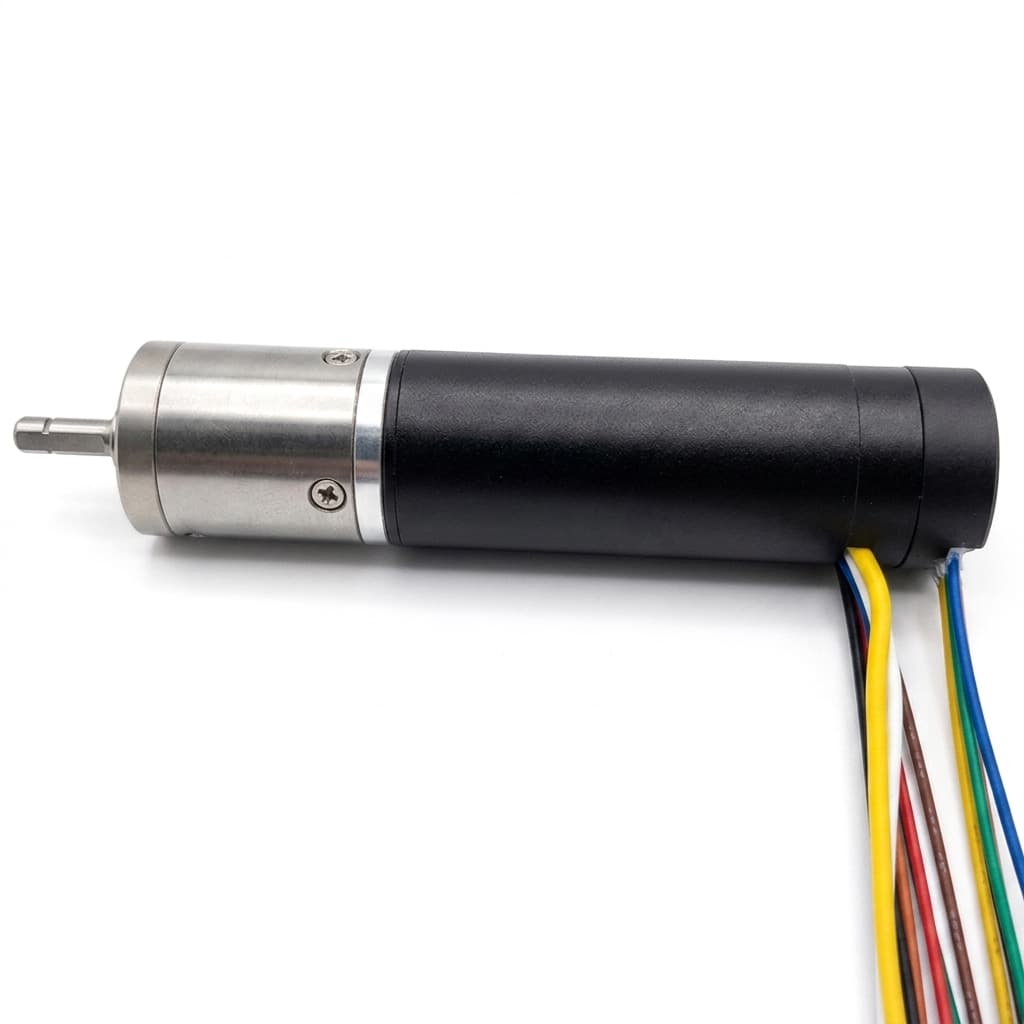
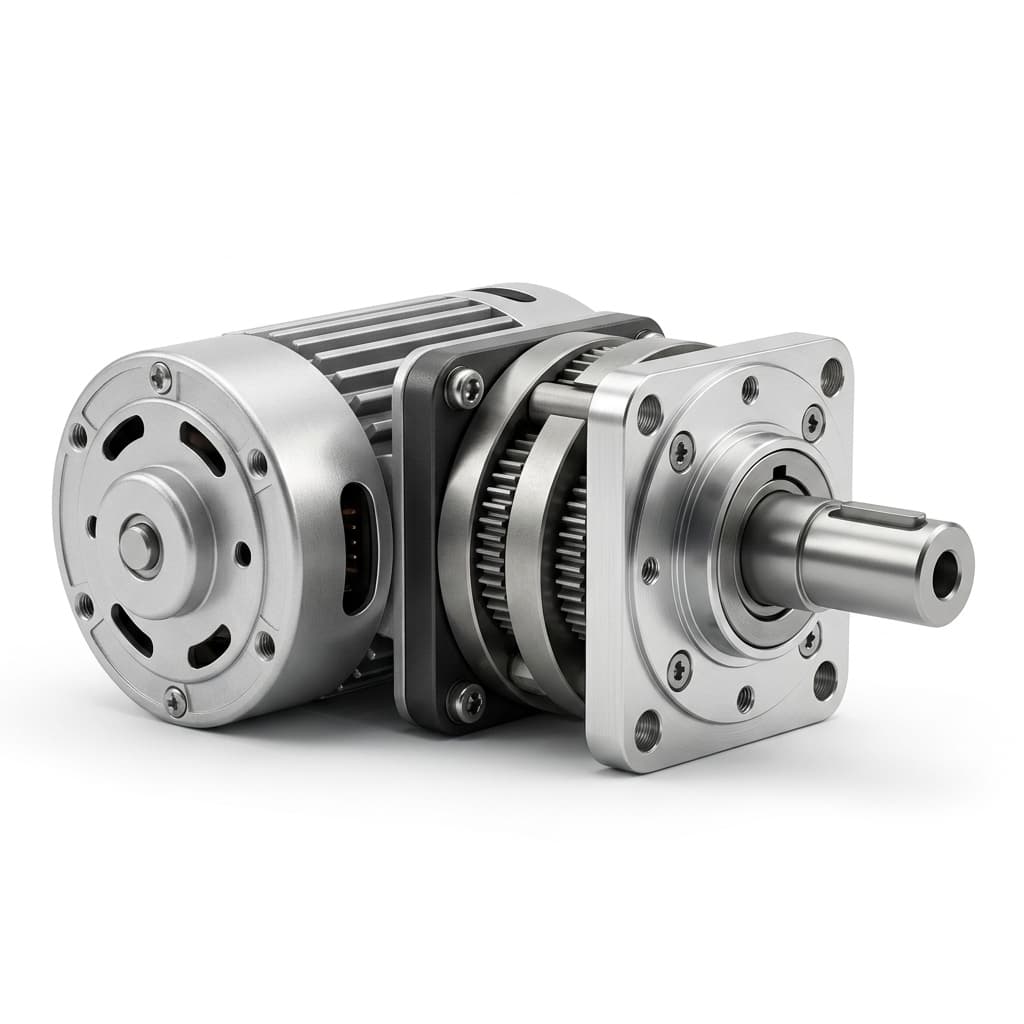
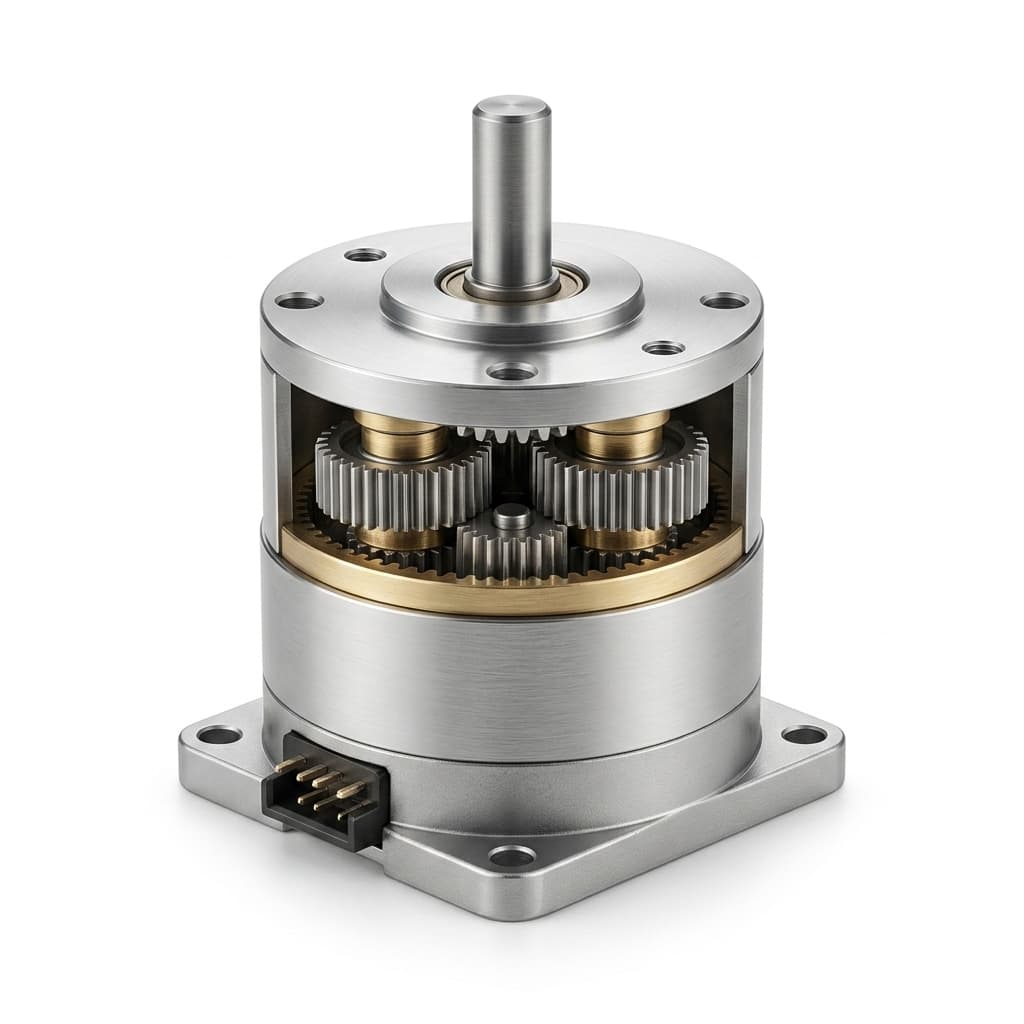
Low-noise micro planetary gear motor candidate for medical device actuation

Solution Highlights

  • POM and hybrid gear stages for low acoustic targets
  • Traceable sample, drawing, and test records
  • Duty-cycle, EMI, and thermal review before pilot release

Common Use Cases

  • Infusion and insulin pump mechanisms
  • Handheld surgical and diagnostic instruments
  • CPAP, respiratory, and patient-adjacent devices
  • Portable lab automation modules

Implementation Focus

  • Acoustic noise reduction with POM, hybrid, or grease-controlled gear stages
  • EMI/EMC risk review for brushed, coreless, and BLDC motor options
  • Traceable sample, drawing, BOM-option, and production revision records
  • Duty-cycle, thermal rise, and life-test planning under enclosure conditions
  • Connector, cable exit, packaging, and material-file requirements

Application Buyer Review Path

Align Fit, Control, Supply, and Quality Before Sampling

Application buyers usually need more than a product suggestion. Use this review path to connect mechanical fit, controls, quote scope, and validation evidence before a sample is approved.

Mechanical / System Engineering

Decision Check
Load path, available OD and length, shaft datum, flange geometry, cable exit, radial load, and mating CAD revision.
Page Evidence
Application intake, implementation focus, selection logic, CAD/STEP panel, and related product routes.

Electrical / Controls

Decision Check
Voltage window, current limit, driver type, feedback signal, EMI concern, braking behavior, and duty cycle.
Page Evidence
Evaluation matrix, feedback route, validation package, and sample test evidence request.

Procurement / Program

Decision Check
Prototype quantity, annual volume, sample timing, quote scope, destination, and approved supplier workflow.
Page Evidence
RFQ checklist, WhatsApp handoff, email template, export file scope, and related OEM support links.
Next Step
Send RFQ

Quality / NPI

Decision Check
Drawing revision, CTQ dimensions, torque-speed test condition, noise/backlash method, EOL limits, and lot traceability.
Page Evidence
Production and QC flow, risk controls, validation package, and buyer-defined evidence scope.

Application RFQ Intake

Translate the Application Into Motor Selection Inputs

The first review should capture load, speed, space, validation, and compliance constraints, not just a motor part number. This keeps the recommended gear ratio, shaft, feedback, and test plan tied to the real machine.

Load and motion profile

Examples to Provide
Continuous torque, peak torque, stall/jam event, stroke, angle, wheel load, or pump cycle.
Engineering Output
Frames the motor diameter, winding, ratio, gear material, and torque reserve before sample selection.

Speed, timing, and ratio boundary

Examples to Provide
No-load RPM, loaded output RPM, actuation time, known ratio, or acceptable speed tolerance.
Engineering Output
Creates the candidate ratio table with rated-load speed, current, efficiency, and thermal expectation.

Noise, backlash, and repeatability

Examples to Provide
dB limit, measurement distance, arcmin or degree backlash target, reversing frequency, positioning need.
Engineering Output
Separates POM, hybrid, metal, low-backlash, encoder, and Hall-feedback paths early.

Envelope and interface control

Examples to Provide
Target OD, max length, shaft drawing, flange datum, cable exit, connector, mating CAD revision.
Engineering Output
Prevents CAD/STEP mismatch and keeps shaft, mounting, harness, and packaging changes visible.

Validation and production scope

Examples to Provide
Prototype quantity, annual volume, life target, destination, RoHS/REACH, ISO file, packing rules.
Engineering Output
Defines sample evidence, EOL test limits, compliance files, lead time, and production quote assumptions.

Application Evaluation Matrix

Acoustic Noise

Typical Range
<45dB at 30cm
Buyer Relevance
Patient-adjacent equipment needs quiet actuation under a defined fixture, load, distance, and background-noise condition.

Duty/Life Target

Typical Range
Application-defined cycle or hour target
Buyer Relevance
Medical programs often need sample testing that reflects repeated clinical use.

Traceability Package

Typical Range
Drawing, BOM option, test report, and compliance files
Buyer Relevance
Keeps design freeze, incoming inspection, and future production batches aligned.

Thermal Rise

Typical Range
Buyer-defined under enclosure and duty cycle
Buyer Relevance
Portable devices often leave little thermal path, so winding, ratio, and current limits must be validated together.

Sample Qualification Plan

Convert This Use Case Into Pass/Fail Evidence

These checks help engineering, procurement, and quality teams turn the application discussion into sample acceptance criteria before CAD freeze or pilot procurement.

Acoustic comfort

Buyer Question
Will the motor stay quiet in the device enclosure, not just on an open bench?
Evidence to Prepare
Noise limit, distance, background level, fixture load, enclosure condition, gear material, and grease note.
Pass Signal
Measured dB result and tone quality meet the buyer-defined limit under the agreed load and enclosure method.

Traceable validation file

Buyer Question
Can the sample be tied to a drawing, BOM option, test method, and future production revision?
Evidence to Prepare
Approved drawing revision, sample label, BOM option, material-file scope, test report template, and lot label rule.
Pass Signal
Sample report, drawing, BOM option, and production traceability fields reference the same approved revision.

Thermal and duty safety margin

Buyer Question
Will patient-adjacent or portable use keep current and temperature inside the device limit?
Evidence to Prepare
Duty cycle, current limit, voltage range, enclosure heat path, ambient temperature, and nearby sensitive components.
Pass Signal
Loaded temperature rise, current, and speed remain inside the buyer limit for the defined duty profile.

Controls and EMI readiness

Buyer Question
Will the motor, cable, and driver choice avoid late EMI or signal integration problems?
Evidence to Prepare
Motor type, suppression needs, cable route, connector pinout, driver limit, and buyer-side EMI test condition.
Pass Signal
No unstable control behavior is observed in the buyer fixture and required EMI evidence scope is agreed before pilot.

Product Family Routing

Route This Application to the Right Motor Family

A solution page should make the next product review obvious. Match the dominant application signal to a product family, then send the listed inputs so engineering can confirm the route.

High torque, shock load, wheel load, breakaway torque, or jam condition

Recommended Product Route
High-torque miniature gear motors or metal gear micro planetary drives with reinforced gear stack review.
Inputs to Confirm
Share continuous torque, peak torque, stall time, shaft load, duty cycle, and current limit.

Quiet patient-adjacent, indoor, optical, or residential motion target

Recommended Product Route
Low-noise, coreless, POM, or hybrid gear stage route before moving to metal gears.
Inputs to Confirm
Share dB limit, measurement distance, enclosure condition, load, temperature, and life target.

Positioning, odometry, repeatability, stall detection, or closed-loop control

Recommended Product Route
Encoder or Hall-feedback planetary gear motor with defined signal and EOL checks.
Inputs to Confirm
Share CPR, signal voltage, controller input, cable route, pinout, and target resolution.

Custom shaft, flange, connector, harness, bracket, or module packaging

Recommended Product Route
Custom OEM micro drive assembly with drawing revision, tooling boundary, and production handoff.
Inputs to Confirm
Attach mating drawing, shaft profile, flange datum, connector model, packing rule, and annual volume.

Material, backlash, noise, and durability tradeoff is not frozen

Recommended Product Route
POM, hybrid, MIM metal, or low-backlash route reviewed against the real application load.
Inputs to Confirm
Share noise target, reversing frequency, backlash limit, shock condition, grease concern, and cost band.

Selection Logic

Acoustic comfort versus torque reserve

Recommended Path
Start with POM or hybrid low-noise gear stages when the load is light to moderate; review metal stages only when torque peaks, temperature, or shock load require them.
Validation Input
Noise limit, measurement distance, load fixture, torque peak, duty cycle, temperature range, and enclosure condition.

Coreless versus BLDC medical drive

Recommended Path
Use coreless planetary motors for compact, smooth, intermittent motion; use BLDC planetary motors when continuous life, efficiency, or controller-based commutation is more important.
Validation Input
Expected life hours, duty sequence, current limit, driver architecture, control method, and thermal path.

Validation file scope

Recommended Path
Freeze drawing revision, material file scope, noise/current limits, and sample test report format before pilot procurement.
Validation Input
Buyer supplier-file requirements, material restrictions, test report template, lot label rules, and incoming inspection plan.

Production and QC Flow

Device requirement review

Control Point
Translate pump stroke, instrument motion, acoustic target, current limit, and enclosure constraints into motor, ratio, gear material, and grease candidates.
Buyer Evidence
Requirement matrix, preliminary ratio recommendation, material-file scope, and RFQ assumption list.

Prototype validation

Control Point
Measure torque-speed behavior, current, acoustic noise, temperature rise, direction, and cable fit under buyer-like load conditions.
Buyer Evidence
Sample test report with voltage, load, noise method, thermal condition, and drawing revision.

Pilot and production control

Control Point
Freeze BOM option, drawing revision, EOL speed/current/noise limits, packaging controls, and lot labeling for repeat orders.
Buyer Evidence
Approved sample record, EOL criteria, material file package, packaging note, and outgoing inspection record.

Design Freeze Risk Check

Failure Modes to Close Before Pilot Release

Most application failures are not caused by the gear ratio alone. Close these checks before the motor family, drawing revision, and validation method are locked.

Torque reserve disappears after the real fixture is installed

Early Signal
No-load speed looks acceptable, but current rises or motion stalls under seal friction, wheel load, spring force, or end-stop impact.
Prevention
Quote against continuous, peak, and stall conditions with voltage sag, current limit, duty cycle, and thermal path included.

CAD fit passes once, then fails after shaft or connector revision

Early Signal
The gearbox OD fits the enclosure, but the shaft flat, flange datum, cable exit, connector, or bend radius changes late.
Prevention
Freeze drawing revision, mating CAD, cable route, shaft datum, and connector clearance before pilot release.

Noise or backlash is rejected because the method was unclear

Early Signal
Buyer and supplier use different load, distance, preload, fixture, background noise, or backlash measurement conditions.
Prevention
Define dB distance, load fixture, backlash preload, direction changes, and pass/fail limit before sample testing.

Thermal, EMI, or feedback issues appear only in pilot build

Early Signal
Bench samples pass, but enclosure heat path, controller current limit, cable routing, or encoder signal quality changes in the real device.
Prevention
Validate the motor with buyer-like enclosure, driver, cable route, duty profile, and EOL signal checks.

Approved samples drift when the program moves to production

Early Signal
Prototype BOM, gear material, grease, label, packing, or EOL limit is not tied to an approved revision.
Prevention
Keep approved sample record, BOM option, drawing revision, EOL criteria, lot labels, and outgoing inspection plan together.

Validation Package

Evidence Buyers Can Request Before Pilot Release

Application pages should lead toward drawings, sample evidence, and production assumptions. These files are scoped during RFQ so buyers know what can be verified before design freeze.

Performance check

What It Includes
Voltage, no-load speed, rated-load speed, current, torque point, ratio, and temperature note.
Buyer Use
Confirms the selected motor matches the required operating point before pilot procurement.

Mechanical file set

What It Includes
Outline drawing, shaft/flange revision, STEP/IGES availability, cable exit, connector, and label notes.
Buyer Use
Lets mechanical teams freeze enclosure, mating part, harness route, and incoming inspection dimensions.

Application-specific test note

What It Includes
Noise, backlash, cycle life, thermal rise, radial load, EMI, or holding-force check as required.
Buyer Use
Turns the market- or device-specific concern into a measurable sample approval criterion.

Production and export file

What It Includes
BOM option, EOL speed/current limits, RoHS/REACH or buyer file scope, packing, shipment destination.
Buyer Use
Keeps repeat orders aligned after prototype approval and reduces qualification drift.

CAD / STEP Request

Request Outline Drawings Before You Freeze the Mechanical Design

Share the mating envelope and target duty data so sales engineering can confirm whether an existing outline drawing, STEP/IGES file, or custom shaft and flange proposal is suitable for your project.

1

Installation envelope, mounting pattern, shaft interface, and cable exit.

2

Voltage, loaded speed, torque, gear ratio, duty cycle, noise, and backlash limits.

3

Preferred CAD format, drawing revision, prototype quantity, destination, and compliance notes.

Fields engineering checks before sharing a model

Product fit
Diameter, gearbox length, motor family, shaft style, flange pattern, and cable or connector exit.
Performance target
Voltage, loaded speed, continuous torque, peak or stall torque, ratio, duty cycle, life, noise, and backlash.
Mechanical interface
Mating drawing revision, installation clearance, radial or axial load, tolerance priority, and assembly sequence.
Release package
2D outline, STEP/IGES envelope, custom shaft/flange review, datasheet values, and quality evidence scope.

CAD files are shared by project fit and revision status. For custom shafts, flanges, cable routing, or gearbox interfaces, attach the mating drawing so the first CAD exchange uses the correct mechanical boundary.

RFQ Preparation Checklist

  1. Acoustic noise limit, measurement distance, load, and enclosure condition
  2. Duty cycle and expected service life
  3. Sterilization, cleanliness, packaging, or material control requirements
  4. Required material, RoHS/REACH, or buyer compliance file scope
  5. Voltage, current limit, and thermal constraints
  6. Connector, cable exit, and packaging requirements
  7. Target torque, output speed, pump stroke or instrument motion profile

Risk and Mitigation

  • Electromagnetic interference: Review brushed, coreless, or BLDC options with suppression components, wiring route, controller limits, and buyer-side EMI test conditions.
  • Material or cleanliness assumptions are unclear: RFQs should state required material files, packaging controls, and any assembly cleanliness expectations before sampling.
  • Motor heat affects nearby sensitive components: Voltage, current limit, duty cycle, enclosure, and thermal path are reviewed before ratio and winding selection.
  • Low-noise gear selection loses torque margin: Compare POM, hybrid, and metal stages against load peaks, temperature, grease choice, and life target before approving the material stack.

Recommended Products

Compact quiet planetary gearmotor for pumps analyzers and patient-adjacent modules
Slim micro planetary drive sample for low-vibration medical mechanisms
Quiet planetary gear motor with compact shaft package for medical OEM review
Micro gear motor candidate for portable medical device torque validation
Low-noise planetary drive sample for acoustic and life-test qualification

Buyer FAQ

Can special cleanliness requirements be reviewed?

Project-specific assembly cleanliness, material controls, and packaging requirements should be listed in the RFQ so they can be included in the sample and production plan.

Which motor type is typical for quiet medical devices?

Low-noise brushed, coreless, or BLDC planetary motors can be considered depending on life, noise, duty cycle, and control requirements.

Can you provide sample test reports for device validation?

Yes. Custom samples can be paired with torque-speed, current, noise, dimensional, or project-specific test data when defined in the RFQ.

Should we choose plastic or metal gears for a medical device?

POM or hybrid gear stages are usually reviewed first for quiet patient-adjacent devices, while metal stages may be needed for shock load, temperature, or higher torque. The final choice should be validated against the device duty cycle and enclosure.

Related Resources

Application Qualification Review

Ready to Qualify This Application?

Send the application module, target load, speed, torque, envelope, voltage, quantity, drawing status, and validation concerns. Sales engineering can then confirm whether this solution route, another product family, or an OEM assembly path is safer.

WhatsApp: WhatsApp Engineering Support. Email: [email protected].

Inquiry Email

[email protected]

Include OD/length, voltage, torque, loaded speed, ratio, drawings, quantity, and destination.

Instant Chat

WhatsApp Engineering Support

Fast channel for clarifying specs, drawings, and sample timing.