LogoMicro Planetary Motor
Start inquiry
LogoMicro Planetary Motor
WhatsApp
LogoMicro Planetary Motor

China-based industrial OEM supplier supporting customization, quality control, and global delivery.

Inquiry Email

[email protected]

Email app

Include OD/length, voltage, torque, loaded speed, ratio, drawings, quantity, and destination.

Instant Chat

+86 18857971991

Chat on WhatsApp

Fast channel for clarifying specs, drawings, and sample timing.

Products
  • Product Overview
  • Micro DC Planetary Gear Motor
  • Micro BLDC Planetary Gear Motor
  • Encoder Micro Planetary Gear Motor
  • Miniature Planetary Gearboxes
  • Custom OEM Drive Assemblies
  • Coreless Micro Planetary Motors
  • Low Backlash Planetary Motors
  • Low Noise Micro Planetary Motors
  • High Torque Miniature Motors
  • Metal Gear Planetary Drives
Solutions
  • Solutions Overview
  • Robotics & AGV
  • Medical Devices
  • Smart Lock Actuators
  • Valve Actuators
  • Optical Instruments
  • Industrial Automation
OEM Capabilities
  • OEM Overview
  • Custom Engineering
  • Gear Machining
  • Testing & Validation
  • Export & Logistics
Resources
  • CAD / STEP Request
  • Ratio & Torque Calculator
  • POM vs MIM Gear Materials
  • Premium Brand Alternatives
  • Blog
  • About
  • Contact / RFQ
  • Quality & Testing
  • Privacy Policy
  • Cookie Policy
  • Terms of Service
© 2026 Micro Planetary Motor. All Rights Reserved.|Micro Planetary Motor is the micro drive product site operated by Linkup Ai Co., Ltd.; manufacturing programs are coordinated through the Linkup Precision manufacturing network.|Traceable process checks | RoHS, REACH, and applicable CE file support by project scope
← Back to Solutions

Industrial Automation

Durable 10mm, 12mm, 16mm, 22mm, 36mm, and 42mm micro planetary gear motors for compact industrial automation modules, smart meters, metering pumps, dispensers, fixtures, and enclosed 12V/24V OEM equipment.

Target Buyer:For industrial equipment designers and automation OEMs who need repeatable torque, controlled speed, serviceable wiring, and production validation inside compact equipment envelopes.
Discuss on WhatsAppSend RFQEmail specsRequest CAD / STEP

Solution recommendations are confirmed by RFQ after the real load, envelope, quantity, and validation scope are reviewed.

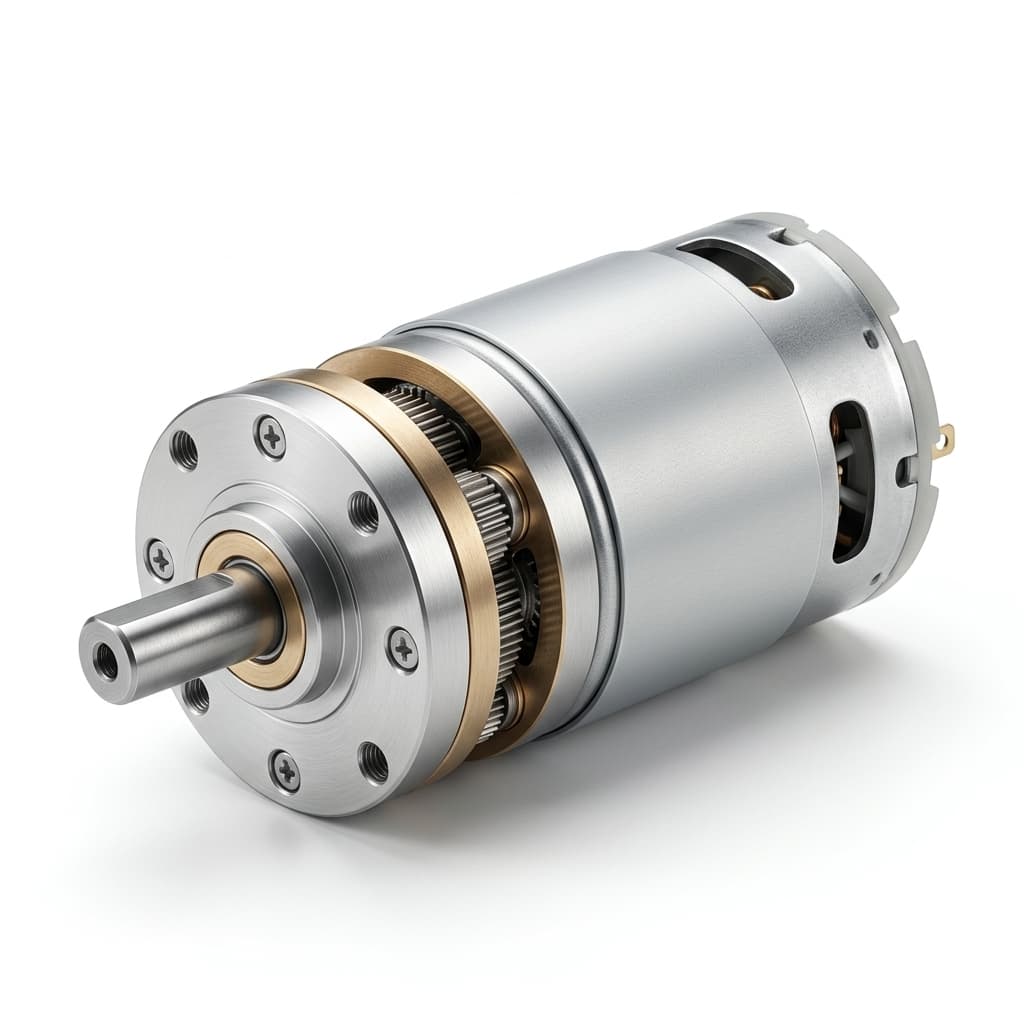
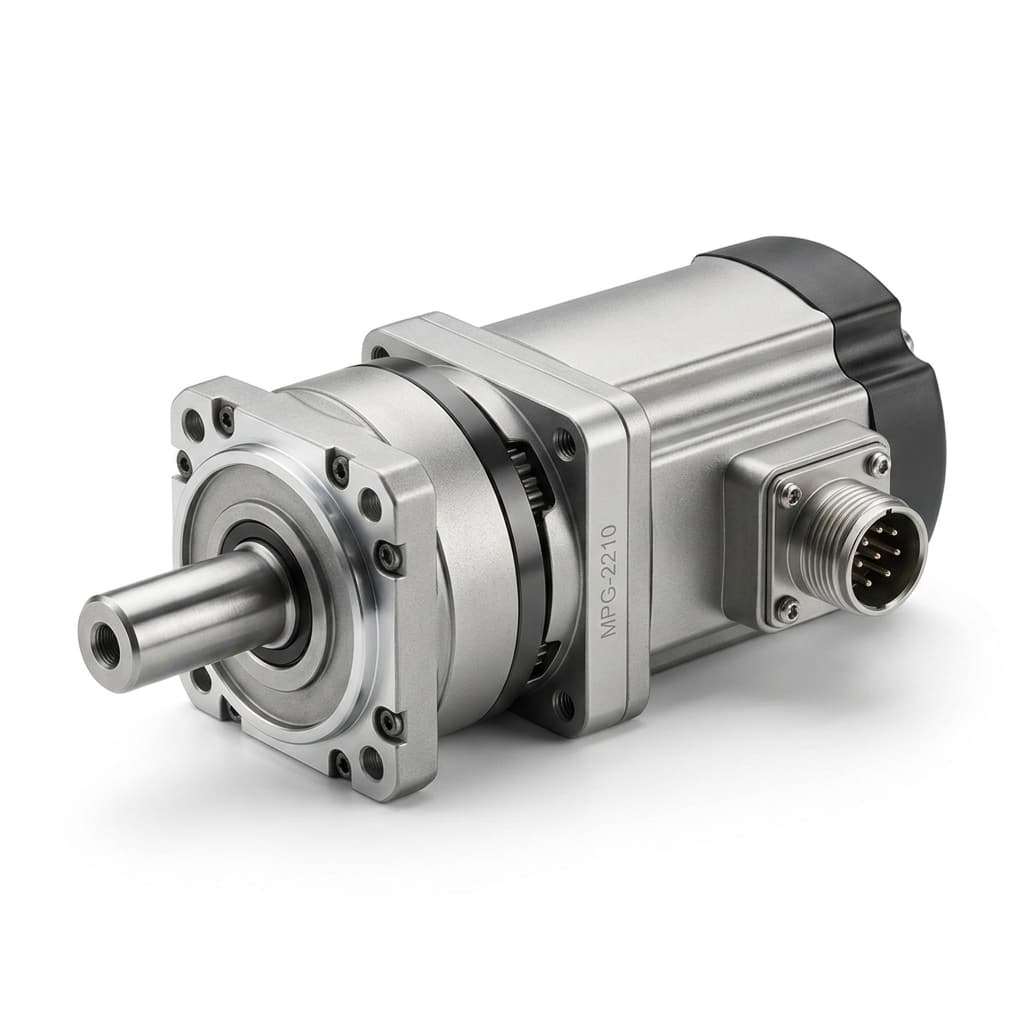
42mm planetary gear motor for indexed industrial fixtures

Solution Highlights

  • 12V/24V DC, BLDC, and indexed planetary drive options for compact OEM modules
  • Duty-cycle and thermal review for intermittent, high-cycle, or continuous operation
  • Metal gear and high-torque options for jam, stall, shock, and hard end-stop loads
  • Custom shaft, flange, seal, cable, connector, and validation limits for production release

Common Use Cases

  • Metering Modules
  • Compact Fixtures
  • Industrial Dispensers
  • Smart Meter Actuators
  • Automated Sampling Modules
  • Packaging and Labeling Adjusters
  • Mini Conveyor and Diverter Axes
  • Pump and Valve Drive Packages

Implementation Focus

  • Torque-speed-ratio matching for meters, dispensers, fixtures, pumps, and auxiliary axes
  • Thermal rise under real duty cycle, enclosure temperature, and controller current limits
  • Jam, stall, hard end-stop, shock, and overload protection strategy
  • DC, BLDC, indexed-motion, encoder, or Hall feedback selection by control architecture
  • Metal, POM, or hybrid gear material review for noise, wear, shock, and life
  • IP target, grease, seal interface, cable exit, connector lock, and service bend radius
  • Backlash, repeatability, and low-speed stability when dosing or indexing accuracy matters
  • End-of-line speed, current, noise, backlash, feedback, and traceability limits

Application Buyer Review Path

Align Fit, Control, Supply, and Quality Before Sampling

Application buyers usually need more than a product suggestion. Use this review path to connect mechanical fit, controls, quote scope, and validation evidence before a sample is approved.

Buyer RoleDecision CheckPage EvidenceNext Step
Mechanical / System EngineeringLoad path, available OD and length, shaft datum, flange geometry, cable exit, radial load, and mating CAD revision.Application intake, implementation focus, selection logic, CAD/STEP panel, and related product routes.Request CAD / STEP
Electrical / ControlsVoltage window, current limit, driver type, feedback signal, EMI concern, braking behavior, and duty cycle.Evaluation matrix, feedback route, validation package, and sample test evidence request.Review encoder options
Procurement / ProgramPrototype quantity, annual volume, sample timing, quote scope, destination, and approved supplier workflow.RFQ checklist, WhatsApp handoff, email template, export file scope, and related OEM support links.Send RFQ
Quality / NPIDrawing revision, CTQ dimensions, torque-speed test condition, noise/backlash method, EOL limits, and lot traceability.Production and QC flow, risk controls, validation package, and buyer-defined evidence scope.Quality evidence

Mechanical / System Engineering

Decision Check
Load path, available OD and length, shaft datum, flange geometry, cable exit, radial load, and mating CAD revision.
Page Evidence
Application intake, implementation focus, selection logic, CAD/STEP panel, and related product routes.
Next Step
Request CAD / STEP

Electrical / Controls

Decision Check
Voltage window, current limit, driver type, feedback signal, EMI concern, braking behavior, and duty cycle.
Page Evidence
Evaluation matrix, feedback route, validation package, and sample test evidence request.
Next Step
Review encoder options

Procurement / Program

Decision Check
Prototype quantity, annual volume, sample timing, quote scope, destination, and approved supplier workflow.
Page Evidence
RFQ checklist, WhatsApp handoff, email template, export file scope, and related OEM support links.
Next Step
Send RFQ

Quality / NPI

Decision Check
Drawing revision, CTQ dimensions, torque-speed test condition, noise/backlash method, EOL limits, and lot traceability.
Page Evidence
Production and QC flow, risk controls, validation package, and buyer-defined evidence scope.
Next Step
Quality evidence

Application RFQ Intake

Translate the Application Into Motor Selection Inputs

The first review should capture load, speed, space, validation, and compliance constraints, not just a motor part number. This keeps the recommended gear ratio, shaft, feedback, and test plan tied to the real machine.

RFQ InputExamples to ProvideEngineering Output
Load and motion profileContinuous torque, peak torque, stall/jam event, stroke, angle, wheel load, or pump cycle.Frames the motor diameter, winding, ratio, gear material, and torque reserve before sample selection.
Speed, timing, and ratio boundaryNo-load RPM, loaded output RPM, actuation time, known ratio, or acceptable speed tolerance.Creates the candidate ratio table with rated-load speed, current, efficiency, and thermal expectation.
Noise, backlash, and repeatabilitydB limit, measurement distance, arcmin or degree backlash target, reversing frequency, positioning need.Separates POM, hybrid, metal, low-backlash, encoder, and Hall-feedback paths early.
Envelope and interface controlTarget OD, max length, shaft drawing, flange datum, cable exit, connector, mating CAD revision.Prevents CAD/STEP mismatch and keeps shaft, mounting, harness, and packaging changes visible.
Validation and production scopePrototype quantity, annual volume, life target, destination, RoHS/REACH, ISO file, packing rules.Defines sample evidence, EOL test limits, compliance files, lead time, and production quote assumptions.

Load and motion profile

Examples to Provide
Continuous torque, peak torque, stall/jam event, stroke, angle, wheel load, or pump cycle.
Engineering Output
Frames the motor diameter, winding, ratio, gear material, and torque reserve before sample selection.

Speed, timing, and ratio boundary

Examples to Provide
No-load RPM, loaded output RPM, actuation time, known ratio, or acceptable speed tolerance.
Engineering Output
Creates the candidate ratio table with rated-load speed, current, efficiency, and thermal expectation.

Noise, backlash, and repeatability

Examples to Provide
dB limit, measurement distance, arcmin or degree backlash target, reversing frequency, positioning need.
Engineering Output
Separates POM, hybrid, metal, low-backlash, encoder, and Hall-feedback paths early.

Envelope and interface control

Examples to Provide
Target OD, max length, shaft drawing, flange datum, cable exit, connector, mating CAD revision.
Engineering Output
Prevents CAD/STEP mismatch and keeps shaft, mounting, harness, and packaging changes visible.

Validation and production scope

Examples to Provide
Prototype quantity, annual volume, life target, destination, RoHS/REACH, ISO file, packing rules.
Engineering Output
Defines sample evidence, EOL test limits, compliance files, lead time, and production quote assumptions.

Application Evaluation Matrix

Evaluation MetricTypical RangeBuyer Relevance
Frame and Torque Class10/12mm to 36/42mmSmall frames fit meters and compact dispensers, while 16mm, 22mm, 36mm, and 42mm motors provide more torque margin for industrial axes.
Voltage and Driver12V/24V DC, BLDC, or indexed driveDriver choice affects speed control, thermal rise, positioning strategy, wiring, and replacement path inside OEM equipment.
Duty Cycle and Thermal RiseIntermittent, high-cycle, or continuousIndustrial devices need thermal checks based on real operating sequences, not catalog torque alone.
Gear Material and Shock MarginPOM, hybrid, metal, or MIM reviewGear material and carrier strength determine noise, wear, shock tolerance, stall survival, and life cost.
Protection StrategySeal, grease, cable exit, and current limitReliability depends on the full drive package, including the motor environment and controller limits.
Repeatability and FeedbackOpen-loop, Hall, encoder, or limit switchMetering, dispensing, and indexing modules may need position confirmation rather than timed open-loop motion.
Validation EvidenceSample, pilot, and EOL limitsProduction buyers need proof that speed, current, noise, temperature, backlash, and cable checks can be repeated at scale.

Frame and Torque Class

Typical Range
10/12mm to 36/42mm
Buyer Relevance
Small frames fit meters and compact dispensers, while 16mm, 22mm, 36mm, and 42mm motors provide more torque margin for industrial axes.

Voltage and Driver

Typical Range
12V/24V DC, BLDC, or indexed drive
Buyer Relevance
Driver choice affects speed control, thermal rise, positioning strategy, wiring, and replacement path inside OEM equipment.

Duty Cycle and Thermal Rise

Typical Range
Intermittent, high-cycle, or continuous
Buyer Relevance
Industrial devices need thermal checks based on real operating sequences, not catalog torque alone.

Gear Material and Shock Margin

Typical Range
POM, hybrid, metal, or MIM review
Buyer Relevance
Gear material and carrier strength determine noise, wear, shock tolerance, stall survival, and life cost.

Protection Strategy

Typical Range
Seal, grease, cable exit, and current limit
Buyer Relevance
Reliability depends on the full drive package, including the motor environment and controller limits.

Repeatability and Feedback

Typical Range
Open-loop, Hall, encoder, or limit switch
Buyer Relevance
Metering, dispensing, and indexing modules may need position confirmation rather than timed open-loop motion.

Validation Evidence

Typical Range
Sample, pilot, and EOL limits
Buyer Relevance
Production buyers need proof that speed, current, noise, temperature, backlash, and cable checks can be repeated at scale.

Sample Qualification Plan

Convert This Use Case Into Pass/Fail Evidence

These checks help engineering, procurement, and quality teams turn the application discussion into sample acceptance criteria before CAD freeze or pilot procurement.

WorkstreamBuyer QuestionEvidence to PreparePass Signal
Duty and thermal capacityWill the motor survive the real industrial duty profile inside the equipment enclosure?Cycle frequency, dwell time, continuous run window, ambient temperature, enclosure heat path, and current limit.Loaded speed, current, and temperature remain stable through the agreed duty sequence and low-voltage start check.
Jam, shock, and end-stop marginCan the drive tolerate dispenser jams, fixture hard stops, pump load spikes, or service shocks?Jam load, stall time, shock assumption, cutoff logic, gear material, shaft load, and post-test inspection method.No functional loss, abnormal noise rise, or output play growth after the agreed blocked-load and shock checks.
Feedback and process repeatabilityCan the controller confirm position, dosing, indexing, or stall conditions repeatably during production use?Position tolerance, feedback type, pulse count, controller input, pinout, homing rule, and EOL signal limits.Feedback, current signature, or homing data matches the process tolerance without false confirms.
Production serviceabilityWill the approved motor remain serviceable and traceable across repeat orders and field replacement?Drawing revision, cable exit, connector lock, bend radius, label rule, packaging plan, and EOL acceptance limits.Pilot records tie sample revision, EOL limits, labels, and packaging to the same repeatable production configuration.

Duty and thermal capacity

Buyer Question
Will the motor survive the real industrial duty profile inside the equipment enclosure?
Evidence to Prepare
Cycle frequency, dwell time, continuous run window, ambient temperature, enclosure heat path, and current limit.
Pass Signal
Loaded speed, current, and temperature remain stable through the agreed duty sequence and low-voltage start check.

Jam, shock, and end-stop margin

Buyer Question
Can the drive tolerate dispenser jams, fixture hard stops, pump load spikes, or service shocks?
Evidence to Prepare
Jam load, stall time, shock assumption, cutoff logic, gear material, shaft load, and post-test inspection method.
Pass Signal
No functional loss, abnormal noise rise, or output play growth after the agreed blocked-load and shock checks.

Feedback and process repeatability

Buyer Question
Can the controller confirm position, dosing, indexing, or stall conditions repeatably during production use?
Evidence to Prepare
Position tolerance, feedback type, pulse count, controller input, pinout, homing rule, and EOL signal limits.
Pass Signal
Feedback, current signature, or homing data matches the process tolerance without false confirms.

Production serviceability

Buyer Question
Will the approved motor remain serviceable and traceable across repeat orders and field replacement?
Evidence to Prepare
Drawing revision, cable exit, connector lock, bend radius, label rule, packaging plan, and EOL acceptance limits.
Pass Signal
Pilot records tie sample revision, EOL limits, labels, and packaging to the same repeatable production configuration.

Product Family Routing

Route This Application to the Right Motor Family

A solution page should make the next product review obvious. Match the dominant application signal to a product family, then send the listed inputs so engineering can confirm the route.

Application SignalRecommended Product RouteInputs to ConfirmReview
High torque, shock load, wheel load, breakaway torque, or jam conditionHigh-torque miniature gear motors or metal gear micro planetary drives with reinforced gear stack review.Share continuous torque, peak torque, stall time, shaft load, duty cycle, and current limit.High torque motors
Quiet patient-adjacent, indoor, optical, or residential motion targetLow-noise, coreless, POM, or hybrid gear stage route before moving to metal gears.Share dB limit, measurement distance, enclosure condition, load, temperature, and life target.Low noise motors
Positioning, odometry, repeatability, stall detection, or closed-loop controlEncoder or Hall-feedback planetary gear motor with defined signal and EOL checks.Share CPR, signal voltage, controller input, cable route, pinout, and target resolution.Encoder motors
Custom shaft, flange, connector, harness, bracket, or module packagingCustom OEM micro drive assembly with drawing revision, tooling boundary, and production handoff.Attach mating drawing, shaft profile, flange datum, connector model, packing rule, and annual volume.OEM assemblies
Material, backlash, noise, and durability tradeoff is not frozenPOM, hybrid, MIM metal, or low-backlash route reviewed against the real application load.Share noise target, reversing frequency, backlash limit, shock condition, grease concern, and cost band.Material guide

High torque, shock load, wheel load, breakaway torque, or jam condition

Recommended Product Route
High-torque miniature gear motors or metal gear micro planetary drives with reinforced gear stack review.
Inputs to Confirm
Share continuous torque, peak torque, stall time, shaft load, duty cycle, and current limit.
Review
High torque motors

Quiet patient-adjacent, indoor, optical, or residential motion target

Recommended Product Route
Low-noise, coreless, POM, or hybrid gear stage route before moving to metal gears.
Inputs to Confirm
Share dB limit, measurement distance, enclosure condition, load, temperature, and life target.
Review
Low noise motors

Positioning, odometry, repeatability, stall detection, or closed-loop control

Recommended Product Route
Encoder or Hall-feedback planetary gear motor with defined signal and EOL checks.
Inputs to Confirm
Share CPR, signal voltage, controller input, cable route, pinout, and target resolution.
Review
Encoder motors

Custom shaft, flange, connector, harness, bracket, or module packaging

Recommended Product Route
Custom OEM micro drive assembly with drawing revision, tooling boundary, and production handoff.
Inputs to Confirm
Attach mating drawing, shaft profile, flange datum, connector model, packing rule, and annual volume.
Review
OEM assemblies

Material, backlash, noise, and durability tradeoff is not frozen

Recommended Product Route
POM, hybrid, MIM metal, or low-backlash route reviewed against the real application load.
Inputs to Confirm
Share noise target, reversing frequency, backlash limit, shock condition, grease concern, and cost band.
Review
Material guide

Selection Logic

Decision PointRecommended PathValidation Input
Metering or dispensing versus fixture or auxiliary axisUse compact 10mm and 12mm drives for light metering and dispenser mechanisms; move to 16mm, 22mm, 36mm, or 42mm frames when fixtures, pump loads, diverters, or conveyors need higher torque reserve.Available envelope, load torque, output RPM, dosing or indexing tolerance, start friction, and expected cycle frequency.
DC, BLDC, or indexed-motion control architectureChoose DC for simple cost-sensitive motion, BLDC for high-cycle and continuous-duty thermal margin, and indexed geared motion for repeatable moves under a suitable controller.Voltage, driver type, speed profile, current limit, control firmware, feedback requirement, and replacement-service strategy.
Metal gear versus low-noise material routeUse metal or MIM gear stages for shock, stall, and high torque; review POM or hybrid gearing when low noise, lower weight, or lighter load matters more.Torque, shock events, noise target, duty cycle, temperature, grease, life target, and acceptable cost band.
Open-loop timing versus feedback confirmationTimed open-loop motion can fit simple full-stroke mechanisms; use Hall, encoder, or limit-switch confirmation when dispensing accuracy, position diagnostics, or jam detection matters.Position states, indexing tolerance, controller input, pulse count, cable length, pinout, and failure-mode logic.
Environmental sealing and service wiringFreeze IP target, cable exit, connector lock, grease, seal interface, and bend radius with the mechanical drawing before pilot samples.Moisture, dust, cleaning exposure, mounting orientation, cable route, connector type, service access, and validation condition.

Metering or dispensing versus fixture or auxiliary axis

Recommended Path
Use compact 10mm and 12mm drives for light metering and dispenser mechanisms; move to 16mm, 22mm, 36mm, or 42mm frames when fixtures, pump loads, diverters, or conveyors need higher torque reserve.
Validation Input
Available envelope, load torque, output RPM, dosing or indexing tolerance, start friction, and expected cycle frequency.

DC, BLDC, or indexed-motion control architecture

Recommended Path
Choose DC for simple cost-sensitive motion, BLDC for high-cycle and continuous-duty thermal margin, and indexed geared motion for repeatable moves under a suitable controller.
Validation Input
Voltage, driver type, speed profile, current limit, control firmware, feedback requirement, and replacement-service strategy.

Metal gear versus low-noise material route

Recommended Path
Use metal or MIM gear stages for shock, stall, and high torque; review POM or hybrid gearing when low noise, lower weight, or lighter load matters more.
Validation Input
Torque, shock events, noise target, duty cycle, temperature, grease, life target, and acceptable cost band.

Open-loop timing versus feedback confirmation

Recommended Path
Timed open-loop motion can fit simple full-stroke mechanisms; use Hall, encoder, or limit-switch confirmation when dispensing accuracy, position diagnostics, or jam detection matters.
Validation Input
Position states, indexing tolerance, controller input, pulse count, cable length, pinout, and failure-mode logic.

Environmental sealing and service wiring

Recommended Path
Freeze IP target, cable exit, connector lock, grease, seal interface, and bend radius with the mechanical drawing before pilot samples.
Validation Input
Moisture, dust, cleaning exposure, mounting orientation, cable route, connector type, service access, and validation condition.

Production and QC Flow

StageControl PointBuyer Evidence
Industrial duty requirement reviewTranslate device type, load, speed, voltage, duty cycle, ambient temperature, jam events, and envelope limits into motor, ratio, material, and feedback candidates.Device drawing, torque-speed target, duty profile, voltage and current limit, operating environment, and failure-mode assumptions.
Interface and DFM freezeConfirm shaft, flange, bracket, cable exit, connector pinout, strain relief, seal interface, driver signals, and assembly clearance before prototype quotation.2D/3D drawing revision, cable route, connector specification, seal target, controller input, and sample BOM option.
Loaded sample validationMeasure loaded speed, current, temperature rise, noise, backlash or repeatability, stall response, feedback signal, vibration, and low-voltage start behavior.Sample test report with voltage, load, duty cycle, ambient condition, jam test notes, and feedback checks.
Pilot process validationSet EOL limits for rotation direction, no-load speed, no-load current, noise, gearbox play, feedback output, cable routing, connector retention, and lot labeling.Pilot inspection record, EOL criteria, fixture notes, PFMEA/APQP-style risk list, and outgoing quality record.
Production traceability and change controlLock drawing revision, BOM, gear material, grease, cable specification, inspection limits, packaging, and change-control process for recurring supply.Approved drawing package, BOM revision, material and grease record, lot traceability plan, and change notice process.

Industrial duty requirement review

Control Point
Translate device type, load, speed, voltage, duty cycle, ambient temperature, jam events, and envelope limits into motor, ratio, material, and feedback candidates.
Buyer Evidence
Device drawing, torque-speed target, duty profile, voltage and current limit, operating environment, and failure-mode assumptions.

Interface and DFM freeze

Control Point
Confirm shaft, flange, bracket, cable exit, connector pinout, strain relief, seal interface, driver signals, and assembly clearance before prototype quotation.
Buyer Evidence
2D/3D drawing revision, cable route, connector specification, seal target, controller input, and sample BOM option.

Loaded sample validation

Control Point
Measure loaded speed, current, temperature rise, noise, backlash or repeatability, stall response, feedback signal, vibration, and low-voltage start behavior.
Buyer Evidence
Sample test report with voltage, load, duty cycle, ambient condition, jam test notes, and feedback checks.

Pilot process validation

Control Point
Set EOL limits for rotation direction, no-load speed, no-load current, noise, gearbox play, feedback output, cable routing, connector retention, and lot labeling.
Buyer Evidence
Pilot inspection record, EOL criteria, fixture notes, PFMEA/APQP-style risk list, and outgoing quality record.

Production traceability and change control

Control Point
Lock drawing revision, BOM, gear material, grease, cable specification, inspection limits, packaging, and change-control process for recurring supply.
Buyer Evidence
Approved drawing package, BOM revision, material and grease record, lot traceability plan, and change notice process.

Design Freeze Risk Check

Failure Modes to Close Before Pilot Release

Most application failures are not caused by the gear ratio alone. Close these checks before the motor family, drawing revision, and validation method are locked.

Failure ModeEarly SignalPrevention
Torque reserve disappears after the real fixture is installedNo-load speed looks acceptable, but current rises or motion stalls under seal friction, wheel load, spring force, or end-stop impact.Quote against continuous, peak, and stall conditions with voltage sag, current limit, duty cycle, and thermal path included.
CAD fit passes once, then fails after shaft or connector revisionThe gearbox OD fits the enclosure, but the shaft flat, flange datum, cable exit, connector, or bend radius changes late.Freeze drawing revision, mating CAD, cable route, shaft datum, and connector clearance before pilot release.
Noise or backlash is rejected because the method was unclearBuyer and supplier use different load, distance, preload, fixture, background noise, or backlash measurement conditions.Define dB distance, load fixture, backlash preload, direction changes, and pass/fail limit before sample testing.
Thermal, EMI, or feedback issues appear only in pilot buildBench samples pass, but enclosure heat path, controller current limit, cable routing, or encoder signal quality changes in the real device.Validate the motor with buyer-like enclosure, driver, cable route, duty profile, and EOL signal checks.
Approved samples drift when the program moves to productionPrototype BOM, gear material, grease, label, packing, or EOL limit is not tied to an approved revision.Keep approved sample record, BOM option, drawing revision, EOL criteria, lot labels, and outgoing inspection plan together.

Torque reserve disappears after the real fixture is installed

Early Signal
No-load speed looks acceptable, but current rises or motion stalls under seal friction, wheel load, spring force, or end-stop impact.
Prevention
Quote against continuous, peak, and stall conditions with voltage sag, current limit, duty cycle, and thermal path included.

CAD fit passes once, then fails after shaft or connector revision

Early Signal
The gearbox OD fits the enclosure, but the shaft flat, flange datum, cable exit, connector, or bend radius changes late.
Prevention
Freeze drawing revision, mating CAD, cable route, shaft datum, and connector clearance before pilot release.

Noise or backlash is rejected because the method was unclear

Early Signal
Buyer and supplier use different load, distance, preload, fixture, background noise, or backlash measurement conditions.
Prevention
Define dB distance, load fixture, backlash preload, direction changes, and pass/fail limit before sample testing.

Thermal, EMI, or feedback issues appear only in pilot build

Early Signal
Bench samples pass, but enclosure heat path, controller current limit, cable routing, or encoder signal quality changes in the real device.
Prevention
Validate the motor with buyer-like enclosure, driver, cable route, duty profile, and EOL signal checks.

Approved samples drift when the program moves to production

Early Signal
Prototype BOM, gear material, grease, label, packing, or EOL limit is not tied to an approved revision.
Prevention
Keep approved sample record, BOM option, drawing revision, EOL criteria, lot labels, and outgoing inspection plan together.

Validation Package

Evidence Buyers Can Request Before Pilot Release

Application pages should lead toward drawings, sample evidence, and production assumptions. These files are scoped during RFQ so buyers know what can be verified before design freeze.

EvidenceWhat It IncludesBuyer Use
Performance checkVoltage, no-load speed, rated-load speed, current, torque point, ratio, and temperature note.Confirms the selected motor matches the required operating point before pilot procurement.
Mechanical file setOutline drawing, shaft/flange revision, STEP/IGES availability, cable exit, connector, and label notes.Lets mechanical teams freeze enclosure, mating part, harness route, and incoming inspection dimensions.
Application-specific test noteNoise, backlash, cycle life, thermal rise, radial load, EMI, or holding-force check as required.Turns the market- or device-specific concern into a measurable sample approval criterion.
Production and export fileBOM option, EOL speed/current limits, RoHS/REACH or buyer file scope, packing, shipment destination.Keeps repeat orders aligned after prototype approval and reduces qualification drift.

Performance check

What It Includes
Voltage, no-load speed, rated-load speed, current, torque point, ratio, and temperature note.
Buyer Use
Confirms the selected motor matches the required operating point before pilot procurement.

Mechanical file set

What It Includes
Outline drawing, shaft/flange revision, STEP/IGES availability, cable exit, connector, and label notes.
Buyer Use
Lets mechanical teams freeze enclosure, mating part, harness route, and incoming inspection dimensions.

Application-specific test note

What It Includes
Noise, backlash, cycle life, thermal rise, radial load, EMI, or holding-force check as required.
Buyer Use
Turns the market- or device-specific concern into a measurable sample approval criterion.

Production and export file

What It Includes
BOM option, EOL speed/current limits, RoHS/REACH or buyer file scope, packing, shipment destination.
Buyer Use
Keeps repeat orders aligned after prototype approval and reduces qualification drift.

CAD / STEP Request

Request Outline Drawings Before You Freeze the Mechanical Design

Share the mating envelope and target duty data so sales engineering can confirm whether an existing outline drawing, STEP/IGES file, or custom shaft and flange proposal is suitable for your project.

1

Installation envelope, mounting pattern, shaft interface, and cable exit.

2

Voltage, loaded speed, torque, gear ratio, duty cycle, noise, and backlash limits.

3

Preferred CAD format, drawing revision, prototype quantity, destination, and compliance notes.

Fields engineering checks before sharing a model

Product fit
Diameter, gearbox length, motor family, shaft style, flange pattern, and cable or connector exit.
Performance target
Voltage, loaded speed, continuous torque, peak or stall torque, ratio, duty cycle, life, noise, and backlash.
Mechanical interface
Mating drawing revision, installation clearance, radial or axial load, tolerance priority, and assembly sequence.
Release package
2D outline, STEP/IGES envelope, custom shaft/flange review, datasheet values, and quality evidence scope.

Useful before CAD freeze

Estimate ratio and torque firstCompare POM, hybrid, and metal gearsAlign quality evidence scope
Email CAD requestWhatsApp engineeringOpen CAD request form

CAD files are shared by project fit and revision status. For custom shafts, flanges, cable routing, or gearbox interfaces, attach the mating drawing so the first CAD exchange uses the correct mechanical boundary.

RFQ Preparation Checklist

  1. Industrial device type: meter, dispenser, fixture, pump, valve, diverter, conveyor, or compact axis
  2. Voltage window, current limit, driver type, controller logic, and feedback requirement
  3. Output speed, target gear ratio, start torque, running torque, peak torque, and stall limit
  4. Duty cycle profile, cycle frequency, dwell time, continuous run time, and ambient temperature
  5. Jam, stall, hard end-stop, shock, vibration, or manual back-drive conditions
  6. Noise target, backlash or indexing tolerance, positioning repeatability, and low-speed stability need
  7. IP rating, moisture or dust exposure, grease requirement, seal interface, and cleaning environment
  8. Motor diameter, gearbox length, shaft, D-cut, thread, flange, bracket, and mounting drawing
  9. Cable length, exit angle, connector, pinout, strain relief, and service bend radius
  10. Life target, validation plan, pilot volume, annual volume, and end-of-line acceptance limits

Risk and Mitigation

  • Thermal overload in enclosed equipment: Review duty cycle, winding, ratio, current limit, driver mode, mounting metal, and ambient temperature before sample approval.
  • Gear or motor damage from jam and hard end stops: Define stall time, current cutoff, clutch or compliance need, torque margin, and end-stop frequency in the validation plan.
  • Moisture, dust, or cleaning-fluid ingress: Review IP65/IP67 sealing targets with O-rings, cable exits, grease, orientation, and representative exposure tests.
  • Cable or connector failure during service: Cable exit angle, strain relief, connector lock, and installation bend radius are frozen with the drawing.
  • Dosing or indexing error from open-loop assumptions: Validate backlash, speed stability, friction changes, Hall or encoder feedback, and homing logic with the real mechanism.
  • Premature gear wear in high-cycle equipment: Match gear material, grease, load profile, speed, shock, and temperature to an accelerated life test and EOL wear indicators.
  • Underspecified torque margin at low voltage: Check start torque, aged friction, cold grease, supply voltage drop, and controller current limit instead of using no-load RPM alone.

Recommended Products

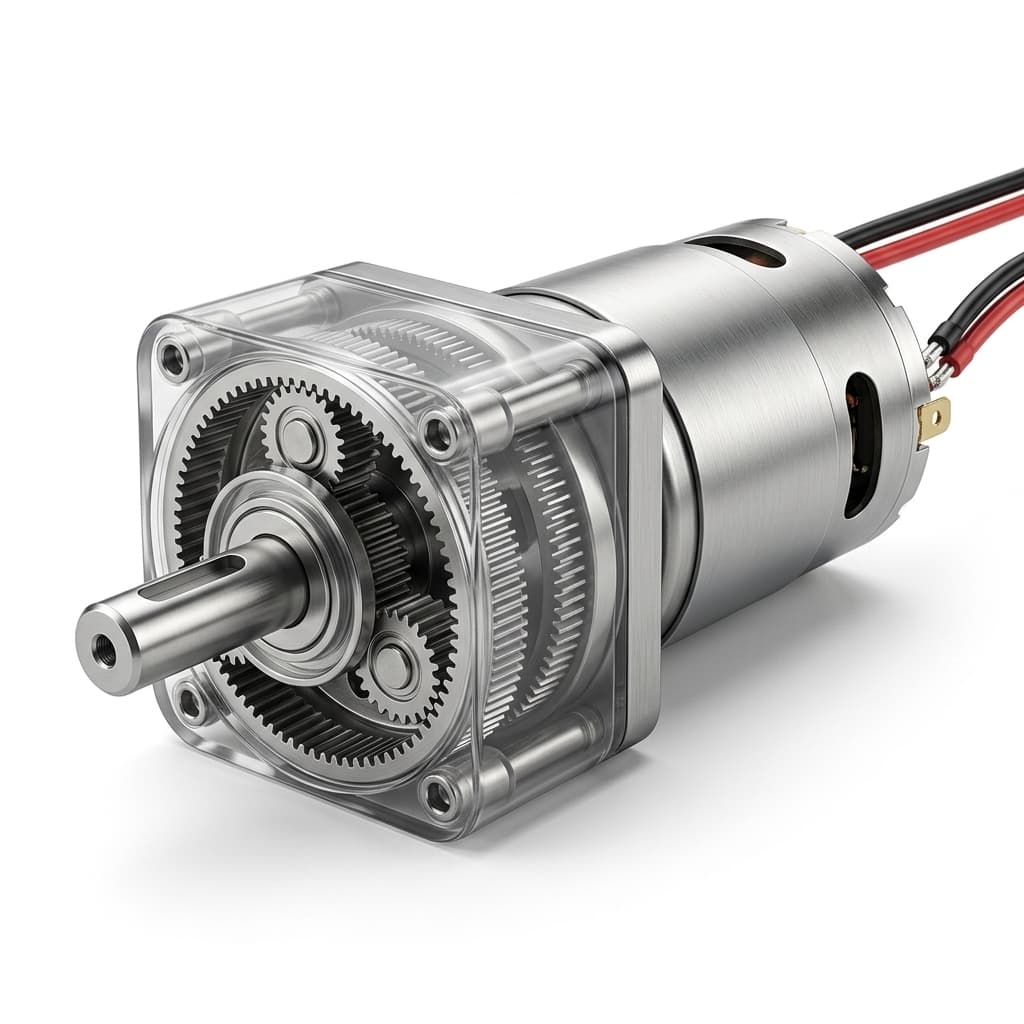
24V DC planetary gear motor for compact dispensers and metering modules
BLDC planetary gear motor for high-cycle industrial automation devices
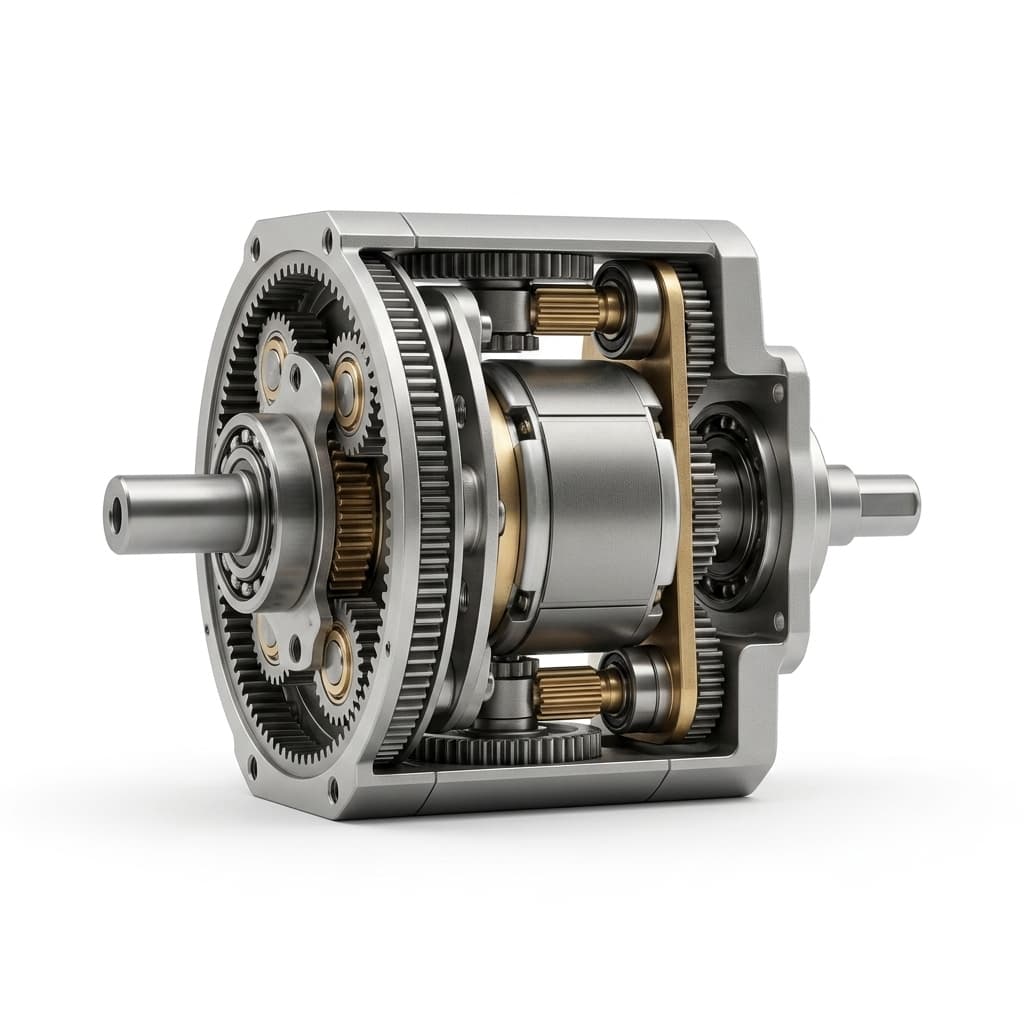
36mm planetary gear motor for compact pump valve and diverter axes
High-torque miniature planetary gear motor for industrial stall and shock loads
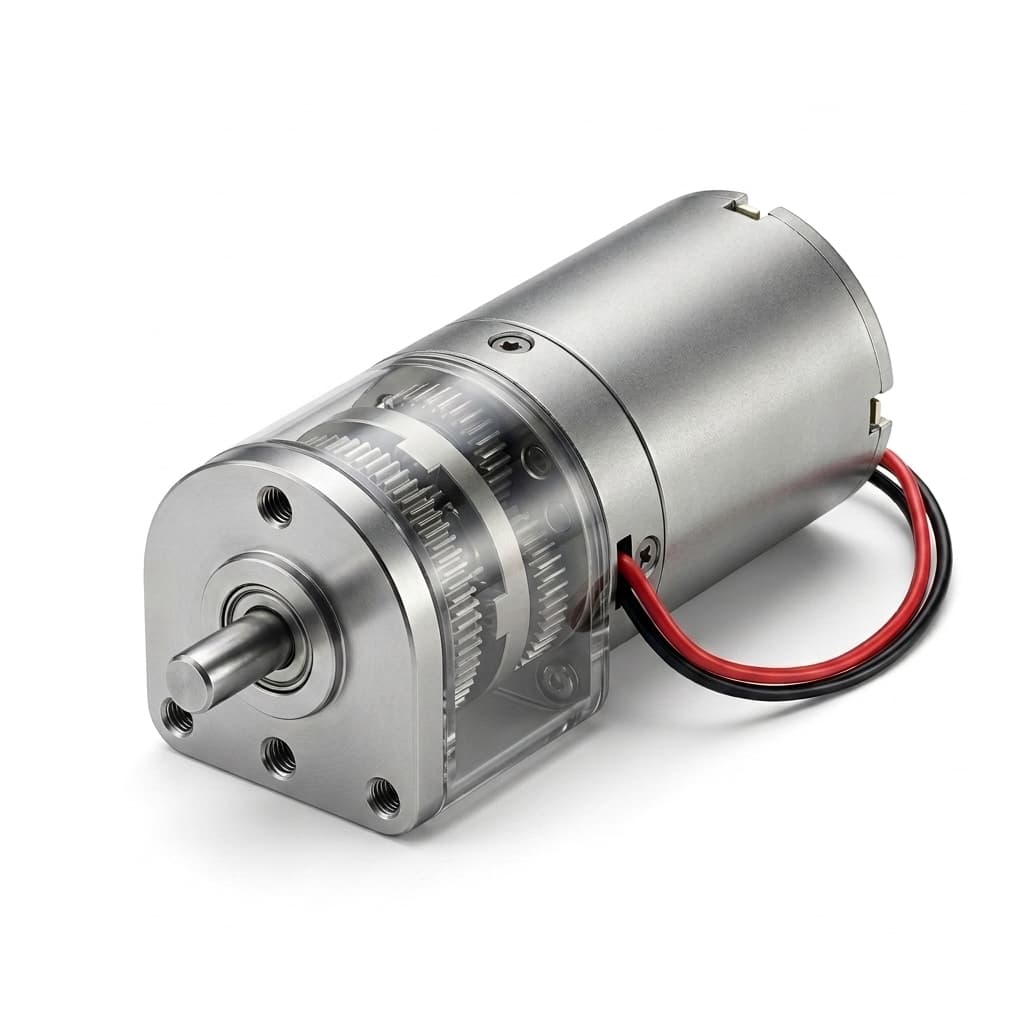
Custom shaft and flange planetary gear motor for OEM automation assemblies

Buyer FAQ

Which motor type should we choose for industrial automation?

Brushed DC fits cost-sensitive compact modules, BLDC is stronger for high-cycle or continuous duty, and indexed geared drives work well for fixtures, adjusters, and dispensers when the controller can manage motion profiles.

Can you support continuous-duty automation devices?

Yes, but continuous duty requires a thermal review of motor type, winding, gear ratio, current limit, and enclosure path.

How should jam or end-stop protection be specified?

Share stall torque, allowed stall time, current limit, end-stop frequency, load inertia, and whether the controller can cut power, reverse, or detect position feedback.

Can the gearbox be lubricated for low temperatures?

Low-temperature grease options can be reviewed when ambient range, duty cycle, life target, material choice, and acoustic target are defined.

Can you customize the shaft, flange, cable, and connector?

Yes. Output shaft flats, D-cuts, threads, flanges, brackets, cable exit, connector pinout, strain relief, and feedback wiring can be frozen from the equipment drawing.

What validation data should we ask for before pilot production?

Useful evidence includes loaded speed, current, temperature rise, noise, backlash or indexing repeatability, stall response, feedback signal checks, cable inspection, and life-test notes.

What should be included for an industrial RFQ?

Send device type, load torque, output RPM, voltage, current limit, duty cycle, ambient conditions, jam or end-stop conditions, mounting drawing, connector requirements, life target, and expected annual quantity.

Related Resources

  • Metal Gear Micro Planetary Drives
  • High Torque Miniature Motors
  • Micro BLDC Planetary Gear Motor
  • Micro DC Planetary Gear Motor
  • Encoder Micro Planetary Gear Motor
  • Custom Shaft & Flange Design
  • Gear Ratio & Torque Calculator
  • Gearbox Failure Analysis Guide
  • Testing & Validation Support
  • POM vs MIM Metal Gear Material Guide
  • Contact Sales Engineering

Application Qualification Review

Ready to Qualify This Application?

Send the application module, target load, speed, torque, envelope, voltage, quantity, drawing status, and validation concerns. Sales engineering can then confirm whether this solution route, another product family, or an OEM assembly path is safer.

WhatsApp: +86 18857971991. Email: [email protected].

WhatsApp ReviewSend RFQRequest CAD / STEP

Inquiry Email

[email protected]

Email app

Include OD/length, voltage, torque, loaded speed, ratio, drawings, quantity, and destination.

Instant Chat

+86 18857971991

Chat on WhatsApp

Fast channel for clarifying specs, drawings, and sample timing.