
Product code
- Current Page Value
- MPM-METAL-GEAR-MICRO-PLANETARY-DRIVES
- Buyer Use
- Page-level product family identifier used to keep RFQ, drawing, sample, and quote communication aligned.
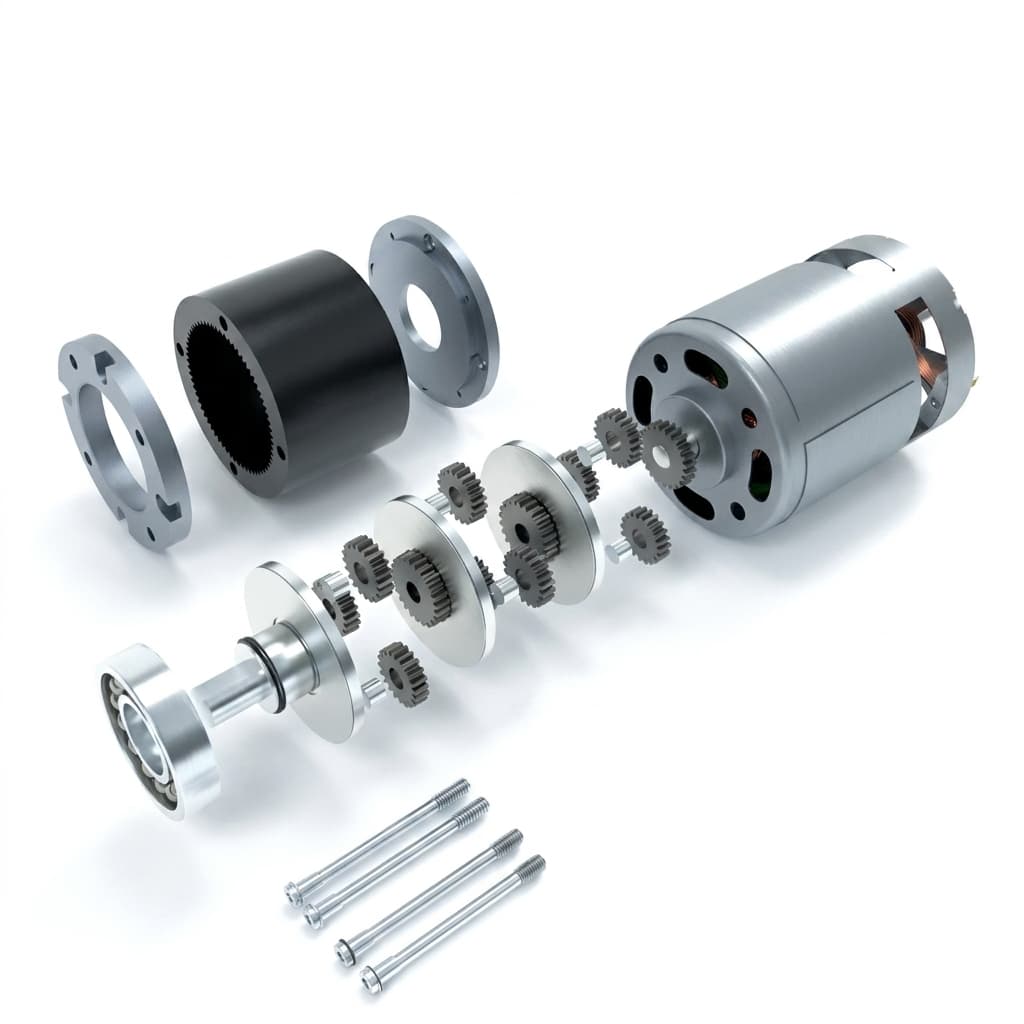
Durable micro planetary drives using powder metallurgy, machined steel, brass, or mixed metal gear stages when shock load, temperature, stall survival, humidity, or material compliance matters more than the lowest acoustic noise.
OEM pricing, sample terms, freight, and lead time are confirmed by RFQ after drawings, quantity, destination, and validation scope are reviewed.
Commercial Availability
Unit pricing, sample terms, freight, and lead time are confirmed by RFQ after drawings, quantity, destination, annual volume, and validation scope are reviewed.
| Field | Current Page Value | Buyer Use |
|---|---|---|
| Product code | MPM-METAL-GEAR-MICRO-PLANETARY-DRIVES | Page-level product family identifier used to keep RFQ, drawing, sample, and quote communication aligned. |
| Commercial path | RFQ-based OEM quotation | No public checkout price is shown because winding, ratio, gear material, shaft, validation evidence, freight, and volume change the final unit cost. |
| Offer status | Platform-dependent availability | Standard micro planetary motor platforms are reviewed for custom sampling and production fit before quote confirmation. |
| Condition | New OEM components and assemblies | Samples and production lots are treated as new industrial components tied to the approved drawing revision and buyer file. |
| Valid from | August 5, 2026 | This page describes the current RFQ route; written quotations state their own price validity, incoterm, and lead-time assumptions. |
| Region | Worldwide RFQ support | Destination, compliance needs, packing notes, and shipping route are confirmed during quotation instead of embedded as a fixed retail shipping rate. |
| Quote currency | USD | Export quotations are usually discussed in USD unless a buyer requests another quotation currency. |
OEM Buyer Decision Path
Product selection usually fails when only one team reviews the motor. Use this path to connect mechanical fit, quote scope, validation evidence, and production handoff before sample approval.
| Buyer Role | Decision Check | Page Evidence | Next Step |
|---|---|---|---|
| Design Engineering | Envelope, output speed, continuous torque, stall condition, backlash/noise limit, shaft datum, and cable route. | Performance window, engineering focus, customization map, CAD/STEP request path, and material review. | Request CAD / STEP |
| Procurement | Prototype quantity, annual volume, destination, sample timing, quote scope, and approved supplier workflow. | RFQ checklist, email template, WhatsApp handoff, and quote caveat before sample pricing. | Send RFQ |
| Quality | Incoming CTQ, drawing revision, torque-speed test condition, noise/backlash method, and lot traceability expectation. | Risk controls, validation scope, buyer file package, and quality evidence review path. | Review Quality |
| OEM Program | NPI stage, frozen BOM fields, custom tooling boundary, packing rules, revision control, and production handoff. | OEM customization options, supplier workflow, export coordination, and related application routing. | OEM Workflow |
| Metric | Typical Range | Why It Matters |
|---|---|---|
| Operating Temperature | -30°C to +120°C | Metal gears can tolerate temperature and load conditions that may deform plastics. |
| Gear Train Construction | Powder metallurgy, machined steel, brass by stage | Lets the design balance shock resistance, cost, corrosion behavior, and acoustic trade-offs. |
| Shock Load Tolerance | Validated against buyer load profile | Metal gears need test conditions that reflect real jams, impacts, and duty cycles. |
Ratio & Performance Window
These RFQ reference windows translate the planning ranges into an engineering shortlist. Final datasheet values are confirmed by winding, ratio, gear material, load, duty cycle, current limit, and test condition before sample approval.
| Frame / OD | Rated Voltage | Ratio Range | No-load RPM | Rated-load RPM | Continuous Output Torque | Stall Torque | Efficiency | Application Fit |
|---|---|---|---|---|---|---|---|---|
| 10/12mm metal gear build | 3-12V DC | 5:1-1000:1 | Motor winding dependent; noise trade-off reviewed | Confirmed at load and acoustic acceptance limit | 100 g.cm-1.5 kg.cm reference window | Metal stages improve shock margin; verify shaft limit | Metal mesh, grease, and stage count dependent | Locks, dispensers, compact outdoor actuators |
| 16/22mm MIM metal gear build | 6-24V DC or BLDC | 4:1-1500:1 | Motor platform dependent; thermal path reviewed | Validated at continuous load and duty cycle | 0.5-5.5 Nm reference window | Review jam event, tooth strength, and carrier plate | MIM material, grease, and stage count dependent | Valves, industrial modules, automotive parts |
| 36/42mm alloy/MIM drive | 12-48V DC or BLDC | 3:1-512:1 | Selected from heavy axis speed target | Validated at full load and temperature range | 9.3-35 Nm reference window | Requires reinforced output and current protection | Lower ratios and proper grease preserve margin | AGV, mower, industrial actuators |
Sample Acceptance Plan
Before a motor family becomes a sample order, sales engineering converts the RFQ into acceptance checks for engineering, procurement, and quality. These checks keep CAD/STEP release, prototype approval, and repeat production tied to the same specification baseline.
| Workstream | Buyer Question | Evidence to Prepare | Pass Signal |
|---|---|---|---|
| Material stack | Which metal gear material fits shock, temperature, corrosion, cost, and noise trade-offs? | Load profile, temperature range, humidity, corrosion concern, material declaration need, and cost target. | Powder metallurgy, machined steel, brass, or hybrid stages are documented by stage and purpose. |
| Shock and reversing duty | Will metal stages handle jams or reversing loads without carrier or tooth damage? | Stall torque, jam frequency, reversal frequency, shaft load, controller current limit, and end-stop behavior. | Gear train and carrier design pass the buyer shock or reversing acceptance test. |
| Lubrication and environment | Will grease and coatings remain stable under the operating environment? | Ambient temperature, humidity, IP target, grease restriction, duty cycle, and storage condition. | Noise, wear, corrosion, and current draw remain stable after environmental cycling. |
| Noise and backlash trade-off | Can durability be increased without exceeding the product noise or positioning target? | Noise limit, backlash limit, load profile, housing condition, and allowed material compromises. | The approved sample balances metal-gear durability with documented acoustic and backlash limits. |
Selection-Ready Product Data
Public diameter pages are only the starting point. For RFQ review, sales engineering confirms rated voltage, no-load RPM, rated-load RPM, continuous output torque, stall torque, current, efficiency, and gear ratio against your mechanism before releasing drawings or sample pricing.
| Performance Field | Buyer Input | How It Shapes the Quote |
|---|---|---|
| Rated voltage and current limit | 3V, 6V, 12V, 24V, or buyer-defined driver limit | Selects the winding, thermal margin, stall-current boundary, and battery or adapter fit. |
| No-load speed and loaded output speed | Motor RPM, target output RPM, and acceptable speed tolerance | Narrows the gear ratio and keeps the prototype inside the required actuation time. |
| Continuous output torque and stall torque | Working torque, peak load, jam condition, and stall duration | Checks gear material, shaft support, carrier strength, and safety margin before sampling. |
| Gear ratio and efficiency target | Known ratio, output RPM target, or torque-speed curve from the mechanism | Builds the ratio table used to compare speed, torque, current, efficiency, and heat rise. |
| Duty cycle and life target | On/off sequence, cycles per day, lifetime cycles, ambient temperature | Defines grease, gear stack, winding temperature, brush life, and sample validation scope. |
| Noise and backlash limit | dB limit, measurement distance, arcmin or degree target, load fixture | Separates POM, hybrid, metal, and low-backlash options before the CAD exchange. |
Customization Options
The useful custom scope is normally around the shaft, gearbox stack, feedback, cable exit, connector, and buyer file package. These options should be fixed before tooling, CAD exchange, or pilot builds.
| Custom Area | Common Options | RFQ Signal |
|---|---|---|
| Output shaft and mounting | D-cut, flat, threaded, cross-drilled, keyway, custom length, flange, bearing support. | Attach shaft datum, mating part drawing, radial/axial load direction, and installation sequence. |
| Gear material and backlash | POM, MIM, machined metal, hybrid stages, grease selection, low-backlash build review. | State torque peaks, reversing frequency, noise target, temperature, and life requirement. |
| Feedback and control | Encoder, Hall signal, EMI suppression, pinout, driver match, current-limit review. | Share CPR, signal voltage, controller type, cable route, connector drawing, and EOL test needs. |
| Cable, connector, and assembly | Lead wire length, connector model, cable exit, strain relief, bracket, harness, module assembly. | Include enclosure envelope, bend radius, pull-force concern, label rules, and packing notes. |
| Compliance and buyer file | RoHS/REACH file, material note, drawing revision, sample test report, lot traceability. | Confirm destination, regulated-market expectations, incoming inspection plan, and annual volume. |
Evidence Pack Before Sampling
These files are normally reviewed by request rather than downloaded instantly. Confirm the scope early so drawings, sample data, quality records, and production notes match the same motor revision.
| Evidence Item | What to Request | Why It Matters | Route |
|---|---|---|---|
| CAD / STEP baseline | Outer diameter, length, shaft geometry, flange datum, connector clearance, and mating-part constraints. | Prevents a mechanically suitable motor from failing because of envelope, shaft, or mounting mismatch. | CAD request |
| Torque-speed-current window | Rated voltage, no-load speed, rated-load speed, continuous torque, stall torque, current limit, and duty cycle. | Separates reference catalog windows from the sample value set that purchasing and engineering can approve. | RFQ template |
| Inspection and test evidence | Dimensional CTQ, gear ratio check, no-load current, load test, noise/backlash method, and final inspection record. | Lets the buyer define what must be proven before incoming inspection, pilot build, or supplier approval. | Quality review |
| Gear material and backlash route | POM, hybrid, or metal stage choice, grease condition, reversing motion, temperature, shock load, and noise target. | Aligns durability, acoustic behavior, backlash, cost, and life expectation before the sample BOM is frozen. | Material guide |
| OEM handoff package | Drawing revision, cable/connector rules, label and packing notes, destination, compliance file needs, and annual volume. | Turns a selected sample into a production-ready supplier package with fewer revision loops. | OEM workflow |
Gear Material Review
Use the material guide to align noise, torque density, stall load, wear, grease, and backlash expectations before the sample BOM is frozen.
CAD / STEP Request
Share the mating envelope and target duty data so sales engineering can confirm whether an existing outline drawing, STEP/IGES file, or custom shaft and flange proposal is suitable for your project.
Installation envelope, mounting pattern, shaft interface, and cable exit.
Voltage, loaded speed, torque, gear ratio, duty cycle, noise, and backlash limits.
Preferred CAD format, drawing revision, prototype quantity, destination, and compliance notes.
CAD files are shared by project fit and revision status. For custom shafts, flanges, cable routing, or gearbox interfaces, attach the mating drawing so the first CAD exchange uses the correct mechanical boundary.
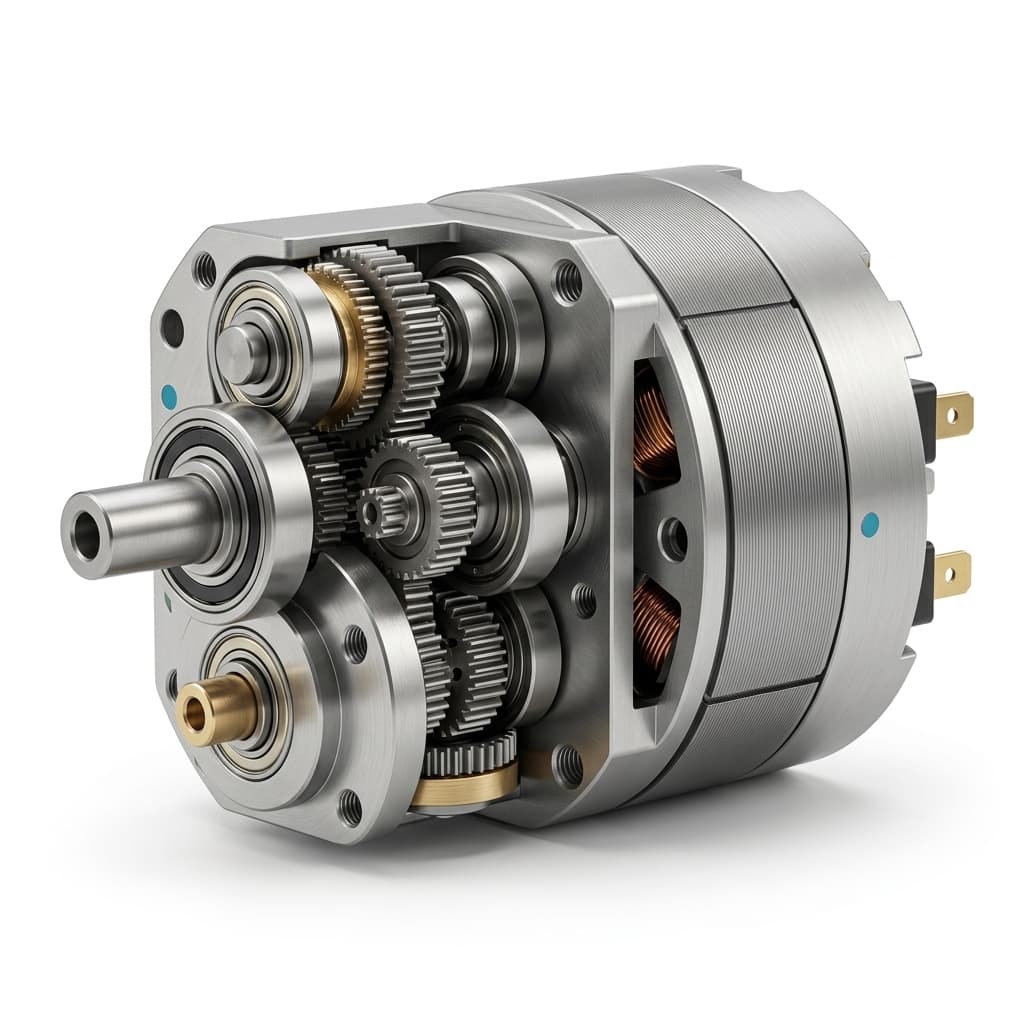
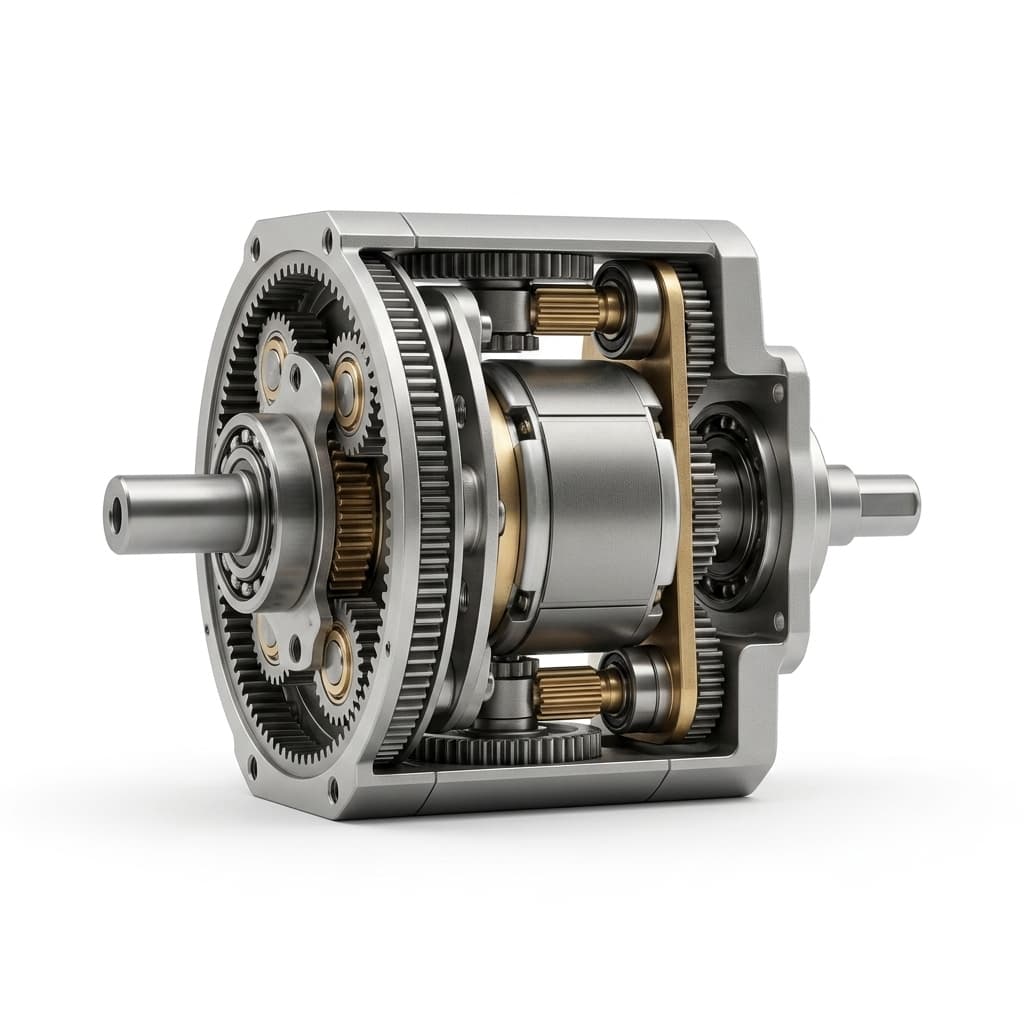
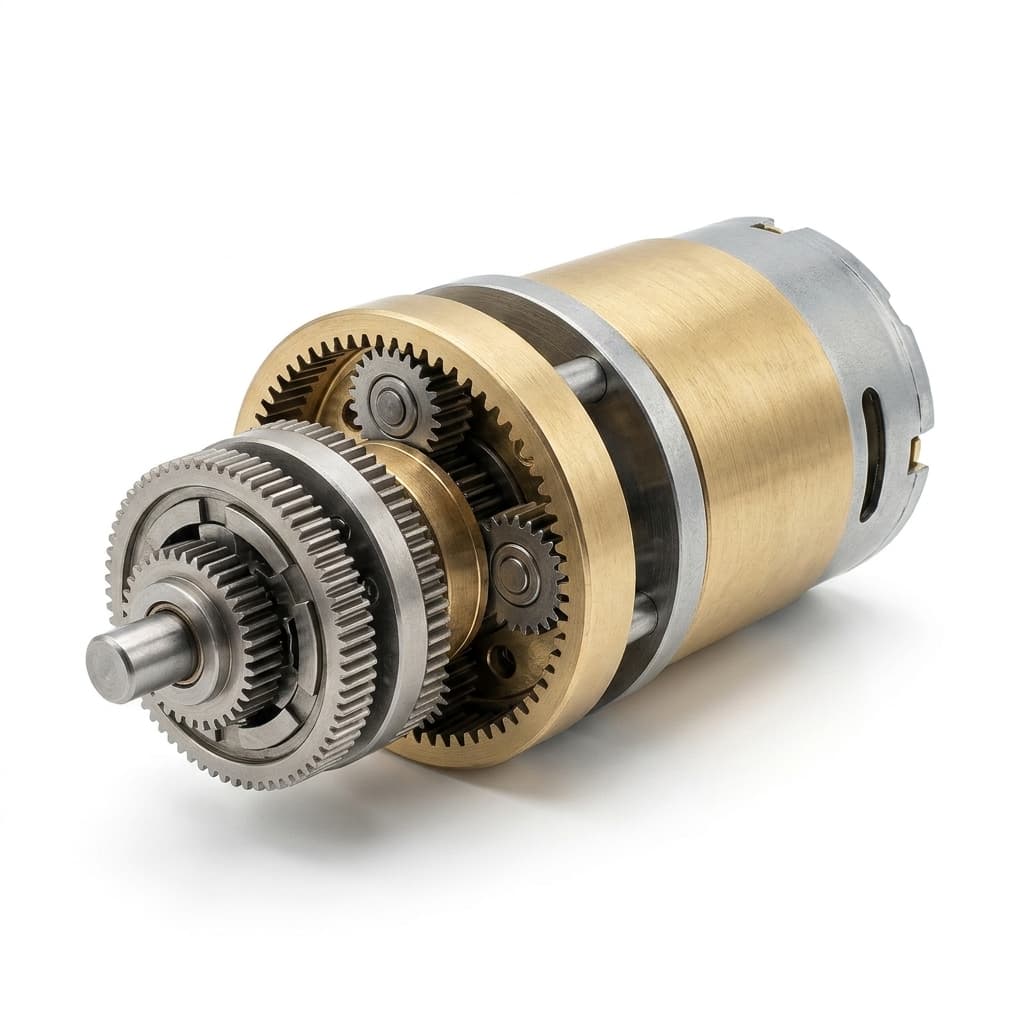
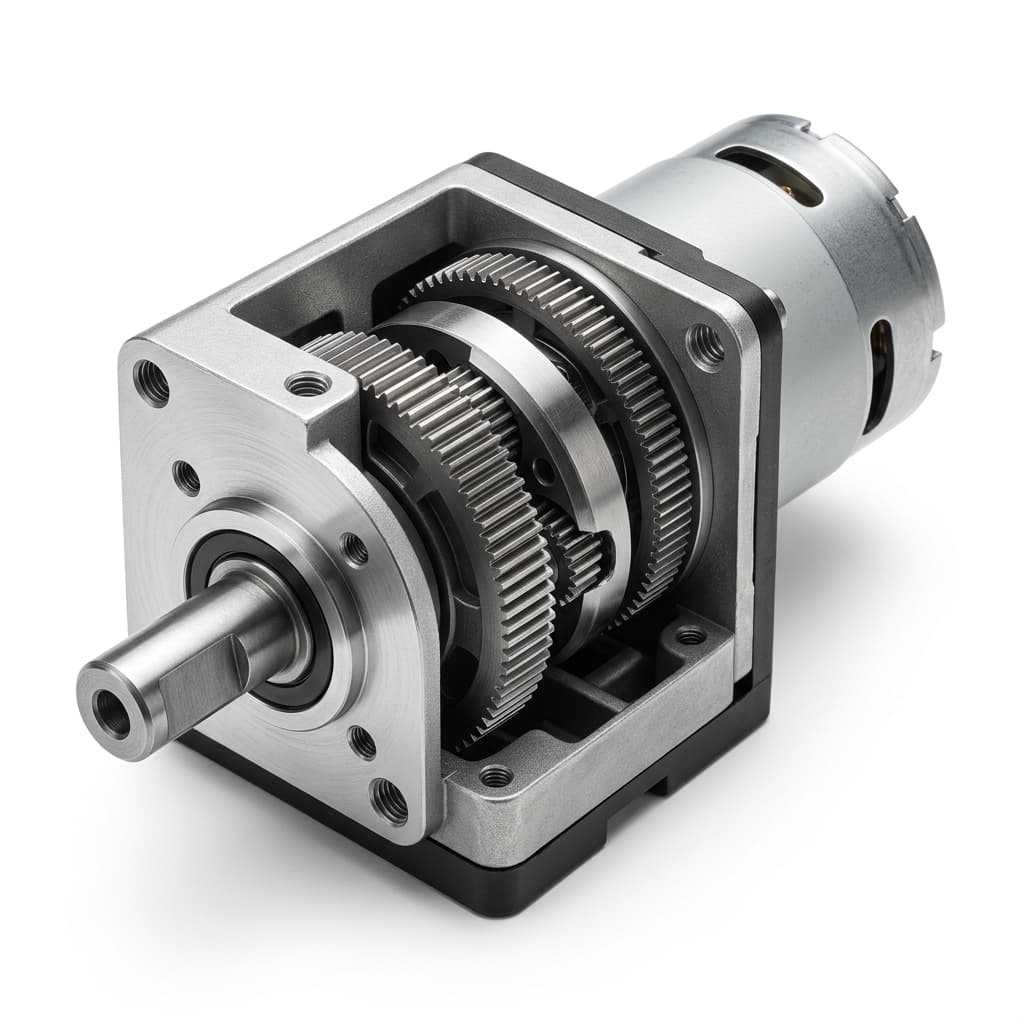
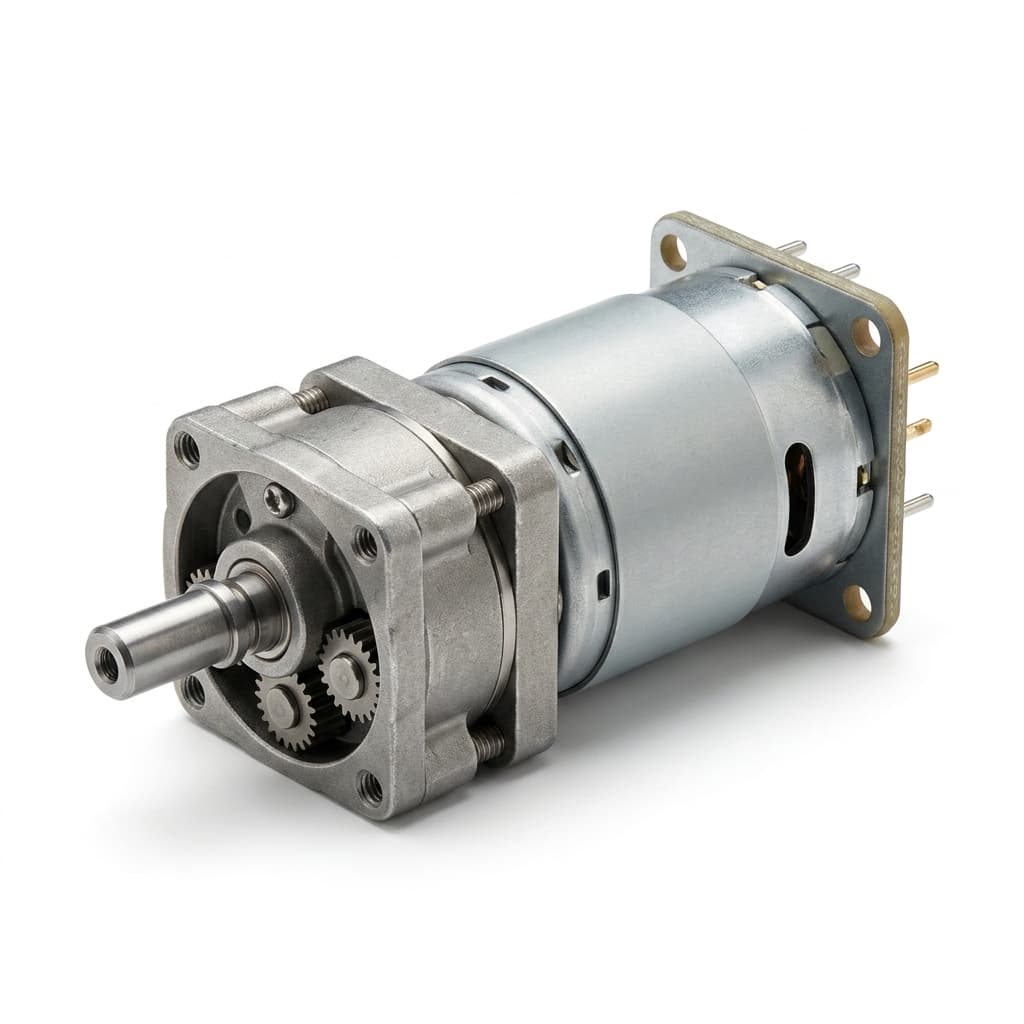
Yes, full metal gears usually generate more acoustic noise, which is a trade-off for higher durability under shock or temperature loads.
It depends on frame size, load, ratio, cost, and environment. Powder metallurgy, machined steel, and brass can be mixed by stage.
Yes. Send the duty cycle, load peaks, temperature range, and noise limit so the material stack can be selected correctly.
If low acoustic noise, low weight, or light intermittent load is more important than shock and temperature resistance, a hybrid gear stack may be better.
Product Qualification Review
Send the target size, voltage, torque, speed, ratio, quantity, drawing status, and validation concerns. Sales engineering can then confirm whether this product family is the right starting point or whether another frame, gear material, or OEM assembly route is safer.
WhatsApp: +86 18857971991. Email: [email protected].
Inquiry Email
Include OD/length, voltage, torque, loaded speed, ratio, drawings, quantity, and destination.
Instant Chat
+86 18857971991
Fast channel for clarifying specs, drawings, and sample timing.