
LogoMicro Planetary Motor
Start inquiry
LogoMicro Planetary Motor
WhatsApp
LogoMicro Planetary Motor

China-based industrial OEM supplier supporting customization, quality control, and global delivery.

Inquiry Email

[email protected]

Email app

Include OD/length, voltage, torque, loaded speed, ratio, drawings, quantity, and destination.

Instant Chat

+86 18857971991

Chat on WhatsApp

Fast channel for clarifying specs, drawings, and sample timing.

Products
  • Product Overview
  • Micro DC Planetary Gear Motor
  • Micro BLDC Planetary Gear Motor
  • Encoder Micro Planetary Gear Motor
  • Miniature Planetary Gearboxes
  • Custom OEM Drive Assemblies
  • Coreless Micro Planetary Motors
  • Low Backlash Planetary Motors
  • Low Noise Micro Planetary Motors
  • High Torque Miniature Motors
  • Metal Gear Planetary Drives
Solutions
  • Solutions Overview
  • Robotics & AGV
  • Medical Devices
  • Smart Lock Actuators
  • Valve Actuators
  • Optical Instruments
  • Industrial Automation
OEM Capabilities
  • OEM Overview
  • Custom Engineering
  • Gear Machining
  • Testing & Validation
  • Export & Logistics
Resources
  • CAD / STEP Request
  • Ratio & Torque Calculator
  • POM vs MIM Gear Materials
  • Premium Brand Alternatives
  • Blog
  • About
  • Contact / RFQ
  • Quality & Testing
  • Privacy Policy
  • Cookie Policy
  • Terms of Service
© 2026 Micro Planetary Motor. All Rights Reserved.|Micro Planetary Motor is the micro drive product site operated by Linkup Ai Co., Ltd.; manufacturing programs are coordinated through the Linkup Precision manufacturing network.|Traceable process checks | RoHS, REACH, and applicable CE file support by project scope
← Back to OEM Capabilities

Testing & Validation Support

Project-specific micro planetary motor validation support covering torque-speed maps, current limits, noise, backlash, temperature rise, life-test planning, and production end-of-line criteria for OEM qualification.

Best Fit For:For quality, compliance, engineering, and sourcing teams that need sample evidence, measurable acceptance limits, and repeatable EOL controls before committing to production supply.
Send RFQRequest CAD / STEPWhatsApp engineeringEmail specs
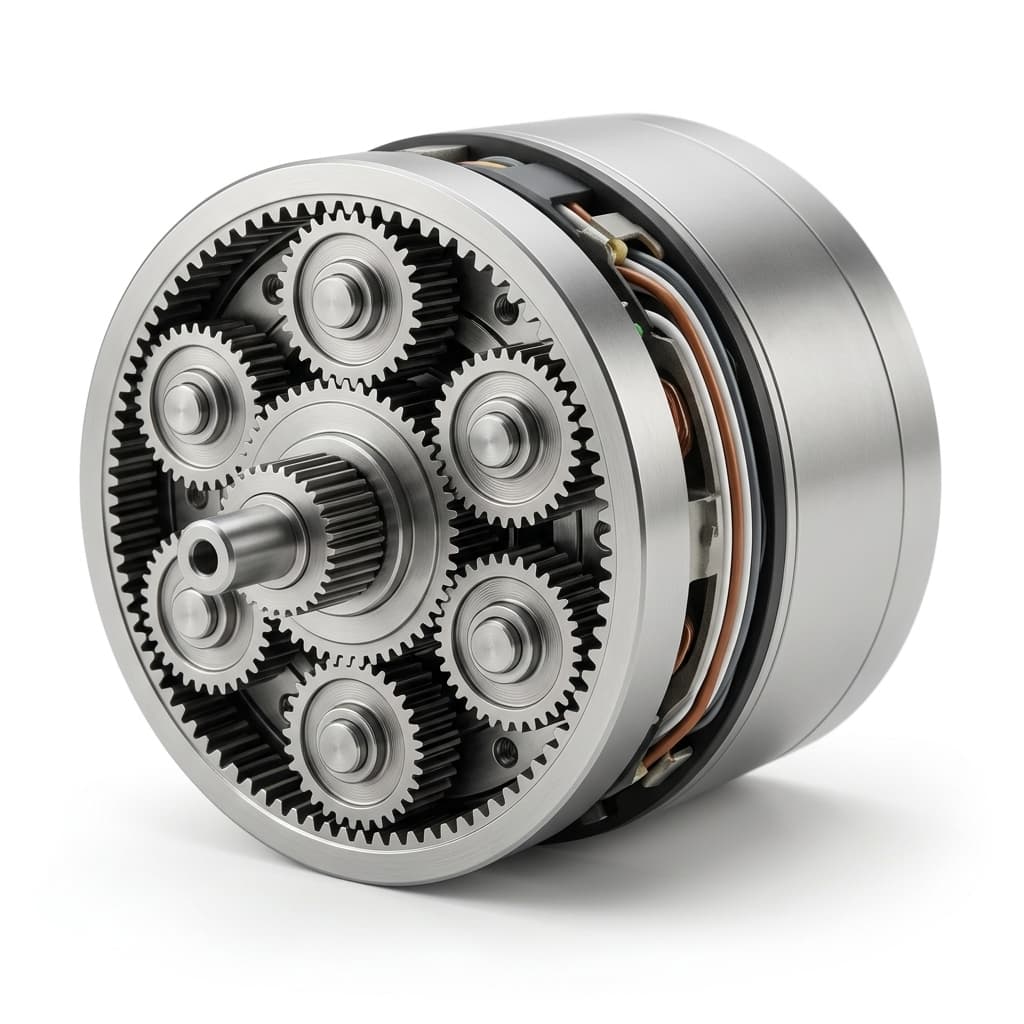
OEM planetary gear motor sample prepared for torque speed and life validation
Design Freeze Evidence Path

How This Capability Moves From Drawing Review to Repeat Supply

Each OEM capability needs a shared evidence path so engineering, quality, procurement, and logistics can approve the same motor configuration without relying on informal sample notes.

WhatsApp: +86 18857971991

GateBuyer InputFactory ReviewBuyer-visible Evidence
Design FreezeDrawing revision, CAD/STEP envelope, mating part limits, load profile, voltage, speed, torque, duty cycle, and target volume.Platform fit, interface risk, gearbox ratio route, winding direction, shaft/flange feasibility, and open validation assumptions.Revision baseline, sample configuration direction, and risk notes before sample quotation.
Sample ValidationSample quantity, acceptance limits, load fixture, torque-speed points, noise/backlash limits, temperature profile, and report format.Dimensional check, no-load and loaded behavior, current, noise, backlash, temperature rise, and project-specific checks by scope.Sample test summary, inspection notes, fixture assumptions, and buyer approval comments.
Pilot ReadinessCritical-to-quality list, EOL limits, packaging rules, label fields, incoming inspection needs, and requested quality file scope.Assembly checkpoints, fixture notes, OQC limits, lot traceability, and PFMEA/APQP/PPAP-style evidence when requested.Pilot inspection record, control criteria, outgoing inspection summary, and release comments.
Export HandoffDestination, Incoterms, forwarder preference, certificate list, carton constraints, pallet rules, and warehouse receiving needs.Packing protection, lot labels, document package, compliance file applicability, and shipment handoff timing.Packing list, commercial document scope, lot reference, OQC summary, and change-control path.

Design Freeze

Buyer Input
Drawing revision, CAD/STEP envelope, mating part limits, load profile, voltage, speed, torque, duty cycle, and target volume.
Factory Review
Platform fit, interface risk, gearbox ratio route, winding direction, shaft/flange feasibility, and open validation assumptions.
Buyer-visible Evidence
Revision baseline, sample configuration direction, and risk notes before sample quotation.

Sample Validation

Buyer Input
Sample quantity, acceptance limits, load fixture, torque-speed points, noise/backlash limits, temperature profile, and report format.
Factory Review
Dimensional check, no-load and loaded behavior, current, noise, backlash, temperature rise, and project-specific checks by scope.
Buyer-visible Evidence
Sample test summary, inspection notes, fixture assumptions, and buyer approval comments.

Pilot Readiness

Buyer Input
Critical-to-quality list, EOL limits, packaging rules, label fields, incoming inspection needs, and requested quality file scope.
Factory Review
Assembly checkpoints, fixture notes, OQC limits, lot traceability, and PFMEA/APQP/PPAP-style evidence when requested.
Buyer-visible Evidence
Pilot inspection record, control criteria, outgoing inspection summary, and release comments.

Export Handoff

Buyer Input
Destination, Incoterms, forwarder preference, certificate list, carton constraints, pallet rules, and warehouse receiving needs.
Factory Review
Packing protection, lot labels, document package, compliance file applicability, and shipment handoff timing.
Buyer-visible Evidence
Packing list, commercial document scope, lot reference, OQC summary, and change-control path.

Capability Highlights

  • Torque-speed mapping
  • Acoustic chamber testing
  • Environmental chambers

Typical Engagement Scope

  • Robotics actuator qualification
  • Medical device validation
  • Smart lock endurance release
  • Valve actuator torque and stall checks
  • Incoming inspection and pilot production approval

Execution Focus

  • Test protocol design
  • Data traceability
  • End-of-line control limits
  • Buyer fixture and acceptance-plan alignment

Program Evaluation Matrix

Program MetricTypical RangeProcurement Value
Test Data PointsTorque-speed points by test planChecks the selected configuration against agreed load points.
End-of-Line ChecksSpeed, current, noise, direction, continuity by programDefines what each production unit must pass before packing.
Life Test PlanningCycle, load, temperature, and duty profile definedConnects prototype confidence to the buyer mechanism instead of a generic bench test.

Test Data Points

Typical Range
Torque-speed points by test plan
Procurement Value
Checks the selected configuration against agreed load points.

End-of-Line Checks

Typical Range
Speed, current, noise, direction, continuity by program
Procurement Value
Defines what each production unit must pass before packing.

Life Test Planning

Typical Range
Cycle, load, temperature, and duty profile defined
Procurement Value
Connects prototype confidence to the buyer mechanism instead of a generic bench test.

Program Selection Logic

Decision PointRecommended PathValidation Input
Engineering sample report versus qualification planUse basic torque-speed, current, noise, and dimensional checks for early samples; move to a formal qualification plan when the mechanism, load, duty cycle, and acceptance limits are stable.Sample stage, load curve, target ratio, voltage, current limit, fixture readiness, and buyer reporting template.
Bench load versus buyer fixture testingBench testing is useful for screening motor options; buyer fixture testing is needed before pilot approval when housing resonance, shaft load, cable route, or real mechanism friction affects results.Fixture drawing, duty cycle, enclosure condition, acoustic setup, shaft load, and measurement equipment.
Prototype confidence versus production EOL controlAfter the approved sample is selected, convert critical parameters into production limits so every shipment can be screened consistently.Approved sample data, acceptable tolerance window, batch size, traceability requirement, and incoming inspection rule.

Engineering sample report versus qualification plan

Recommended Path
Use basic torque-speed, current, noise, and dimensional checks for early samples; move to a formal qualification plan when the mechanism, load, duty cycle, and acceptance limits are stable.
Validation Input
Sample stage, load curve, target ratio, voltage, current limit, fixture readiness, and buyer reporting template.

Bench load versus buyer fixture testing

Recommended Path
Bench testing is useful for screening motor options; buyer fixture testing is needed before pilot approval when housing resonance, shaft load, cable route, or real mechanism friction affects results.
Validation Input
Fixture drawing, duty cycle, enclosure condition, acoustic setup, shaft load, and measurement equipment.

Prototype confidence versus production EOL control

Recommended Path
After the approved sample is selected, convert critical parameters into production limits so every shipment can be screened consistently.
Validation Input
Approved sample data, acceptable tolerance window, batch size, traceability requirement, and incoming inspection rule.

Production and QC Flow

StageControl PointBuyer Evidence
Validation scope definitionTranslate buyer requirements into torque-speed, current, noise, temperature, backlash, feedback, and life-test items.Requirement sheet, test plan, fixture availability, voltage and current limits, load profile, and pass/fail criteria.
Sample and fixture testingRun agreed tests on representative samples and document conditions so results can be repeated or challenged.Sample report, raw limits, test setup notes, ambient condition, fixture notes, and failure observations if any.
Pilot EOL limit freezeConvert approved sample behavior into outgoing inspection limits for speed, current, noise, direction, feedback, cable, and labels.EOL control plan, pilot inspection record, drawing revision, lot traceability fields, and packaging release notes.

Validation scope definition

Control Point
Translate buyer requirements into torque-speed, current, noise, temperature, backlash, feedback, and life-test items.
Buyer Evidence
Requirement sheet, test plan, fixture availability, voltage and current limits, load profile, and pass/fail criteria.

Sample and fixture testing

Control Point
Run agreed tests on representative samples and document conditions so results can be repeated or challenged.
Buyer Evidence
Sample report, raw limits, test setup notes, ambient condition, fixture notes, and failure observations if any.

Pilot EOL limit freeze

Control Point
Convert approved sample behavior into outgoing inspection limits for speed, current, noise, direction, feedback, cable, and labels.
Buyer Evidence
EOL control plan, pilot inspection record, drawing revision, lot traceability fields, and packaging release notes.

RFQ Preparation Checklist

  1. Share validation test plan
  2. Specify required reports (e.g. PPAP)
  3. Define torque-speed, current, noise, and temperature limits
  4. State sample size, test duration, and pass/fail criteria
  5. Provide buyer fixture or load profile if available
  6. Confirm reporting format, traceability fields, and production EOL limits

Risk and Mitigation

  • Inconsistent performance: End-of-line current, speed, direction, noise, and continuity checks can be defined by program.
  • Sample tests do not represent final equipment: We ask for buyer fixtures, load curves, duty cycles, and enclosure conditions when validation risk is high.
  • Acceptance criteria are too vague for production: Critical limits are converted into measurable inspection items before the pilot run.
  • Life-test result cannot be compared to the real product duty cycle: Cycle profile, load, temperature, dwell time, voltage, current limit, and stop conditions are tied to buyer usage assumptions.
OEM Readiness Bridge

Request Package for Testing & Validation Support

Use this package to align drawing control, validation scope, pilot release, and export handoff before quoting custom samples or annual-volume supply.

Package ItemWhy It MattersBuyer InputNext Step
Drawing and STEP BaselinePrevents shaft, flange, cable exit, connector, and mating-part assumptions from drifting during sample loops.2D drawing, CAD/STEP envelope, drawing revision, installation clearance, and interface-critical dimensions.Request CAD / STEP
Testing & Validation Support RFQ InputsKeeps quotation, sample configuration, validation work, and expected annual supply tied to the same scope.Share validation test plan; Specify required reports (e.g. PPAP); Define torque-speed, current, noise, and temperature limits; State sample size, test duration, and pass/fail criteriaSend RFQ
Validation and Quality EvidenceTurns prototype performance into buyer-visible limits for pilot inspection and repeat production checks.Sample quantity, acceptance limits, test fixture, report format, CTQ list, and requested PPAP/APQP/PFMEA-style scope.Review Quality Gates
Production and Export HandoffConnects the approved sample to lot traceability, packaging, compliance file scope, and repeat overseas delivery.Forecast, destination, Incoterms, label requirements, packing rules, certificate list, and change-notice expectations.Export Handoff

Drawing and STEP Baseline

Why It Matters
Prevents shaft, flange, cable exit, connector, and mating-part assumptions from drifting during sample loops.
Buyer Input
2D drawing, CAD/STEP envelope, drawing revision, installation clearance, and interface-critical dimensions.
Next Step
Request CAD / STEP

Testing & Validation Support RFQ Inputs

Why It Matters
Keeps quotation, sample configuration, validation work, and expected annual supply tied to the same scope.
Buyer Input
Share validation test plan; Specify required reports (e.g. PPAP); Define torque-speed, current, noise, and temperature limits; State sample size, test duration, and pass/fail criteria
Next Step
Send RFQ

Validation and Quality Evidence

Why It Matters
Turns prototype performance into buyer-visible limits for pilot inspection and repeat production checks.
Buyer Input
Sample quantity, acceptance limits, test fixture, report format, CTQ list, and requested PPAP/APQP/PFMEA-style scope.
Next Step
Review Quality Gates

Production and Export Handoff

Why It Matters
Connects the approved sample to lot traceability, packaging, compliance file scope, and repeat overseas delivery.
Buyer Input
Forecast, destination, Incoterms, label requirements, packing rules, certificate list, and change-notice expectations.
Next Step
Export Handoff
Request CAD / STEPDiscuss on WhatsAppQuality Evidence

Related Products

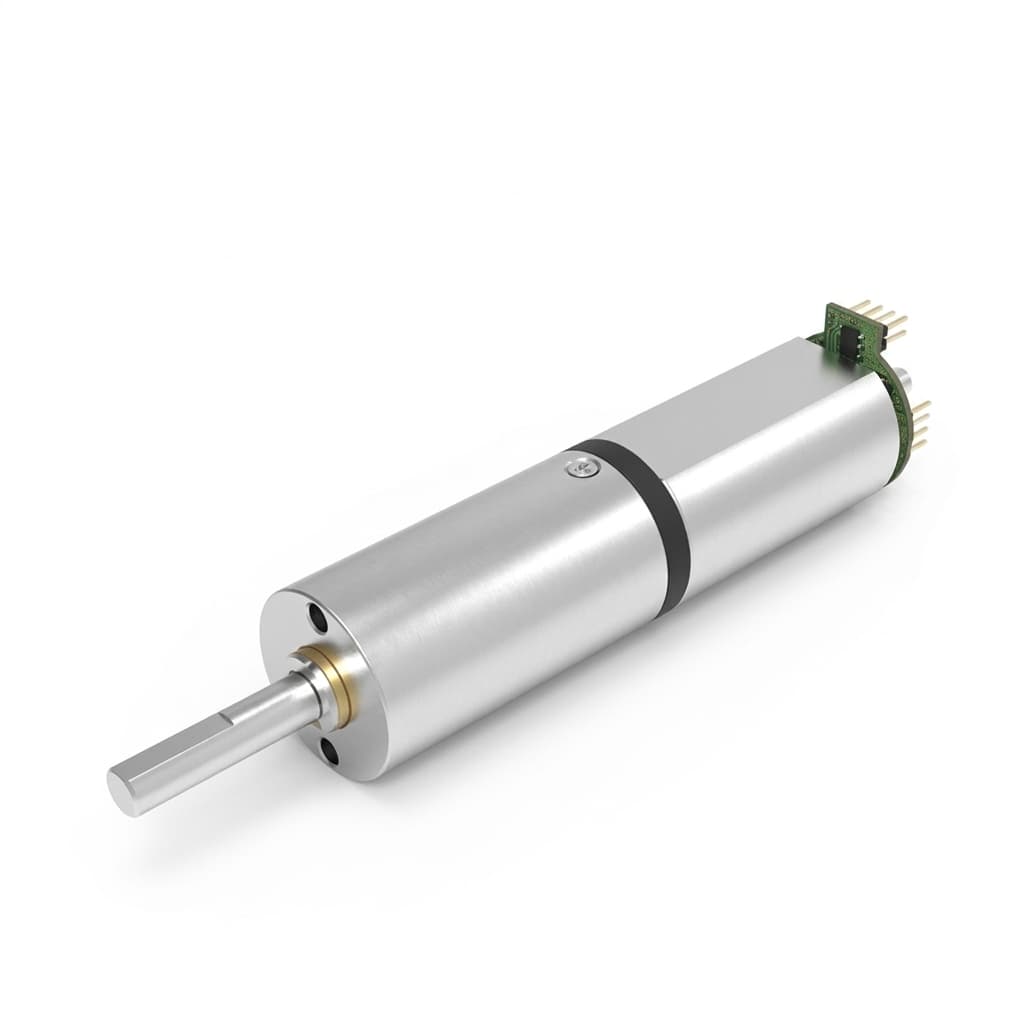
Miniature planetary motor parts used for inspection and assembly validation

Buyer FAQ

Can you provide test reports with samples?

Custom samples can be paired with torque-speed, current, noise, dimensional, or project-specific reports when the reporting scope is defined before quotation.

Can you run torque-speed maps for selected ratios?

Yes. Provide voltage, controller limits, target ratio, and load points so torque-speed data can be matched to the application.

Do you support buyer-defined validation plans?

Yes. Share the test plan, pass/fail limits, fixture requirements, and reporting format before sample quotation.

Which EOL checks are usually defined for production?

Common checks include rotation direction, no-load speed, no-load current, loaded current, noise screen, backlash or output play, encoder signal, cable continuity, and label verification.

Related Resources

  • Quality & Validation
  • Premium Brand Alternative Review
  • Backlash Measurement Guide
  • Gearbox Failure Analysis Guide
  • Encoder Micro Planetary Gear Motor
  • Contact Sales Engineering

Inquiry Email

[email protected]

Email app

Include OD/length, voltage, torque, loaded speed, ratio, drawings, quantity, and destination.

Instant Chat

+86 18857971991

Chat on WhatsApp

Fast channel for clarifying specs, drawings, and sample timing.