LogoMicro Planetary Motor
Start inquiry
LogoMicro Planetary Motor
WhatsApp
LogoMicro Planetary Motor

China-based industrial OEM supplier supporting customization, quality control, and global delivery.

Inquiry Email

[email protected]

Email app

Include OD/length, voltage, torque, loaded speed, ratio, drawings, quantity, and destination.

Instant Chat

+86 18857971991

Chat on WhatsApp

Fast channel for clarifying specs, drawings, and sample timing.

Products
  • Product Overview
  • Micro DC Planetary Gear Motor
  • Micro BLDC Planetary Gear Motor
  • Encoder Micro Planetary Gear Motor
  • Miniature Planetary Gearboxes
  • Custom OEM Drive Assemblies
  • Coreless Micro Planetary Motors
  • Low Backlash Planetary Motors
  • Low Noise Micro Planetary Motors
  • High Torque Miniature Motors
  • Metal Gear Planetary Drives
Solutions
  • Solutions Overview
  • Robotics & AGV
  • Medical Devices
  • Smart Lock Actuators
  • Valve Actuators
  • Optical Instruments
  • Industrial Automation
OEM Capabilities
  • OEM Overview
  • Custom Engineering
  • Gear Machining
  • Testing & Validation
  • Export & Logistics
Resources
  • CAD / STEP Request
  • Ratio & Torque Calculator
  • POM vs MIM Gear Materials
  • Premium Brand Alternatives
  • Blog
  • About
  • Contact / RFQ
  • Quality & Testing
  • Privacy Policy
  • Cookie Policy
  • Terms of Service
© 2026 Micro Planetary Motor. All Rights Reserved.|Micro Planetary Motor is the micro drive product site operated by Linkup Ai Co., Ltd.; manufacturing programs are coordinated through the Linkup Precision manufacturing network.|Traceable process checks | RoHS, REACH, and applicable CE file support by project scope
← Back to Products

Low Backlash Micro Planetary Gear Motors

High-precision micro planetary gear motor assemblies engineered to reduce lost motion in reversing, indexing, optics, gimbal, and robotic positioning systems where backlash must be measured at the output under a defined load.

Target Buyer:For mechatronics engineers where positional repeatability is a primary design constraint and where the team can define how backlash, stiffness, and repeatability will be measured in the final mechanism.
Discuss on WhatsAppSend RFQEmail specsRequest CAD / STEP

OEM pricing, sample terms, freight, and lead time are confirmed by RFQ after drawings, quantity, destination, and validation scope are reviewed.
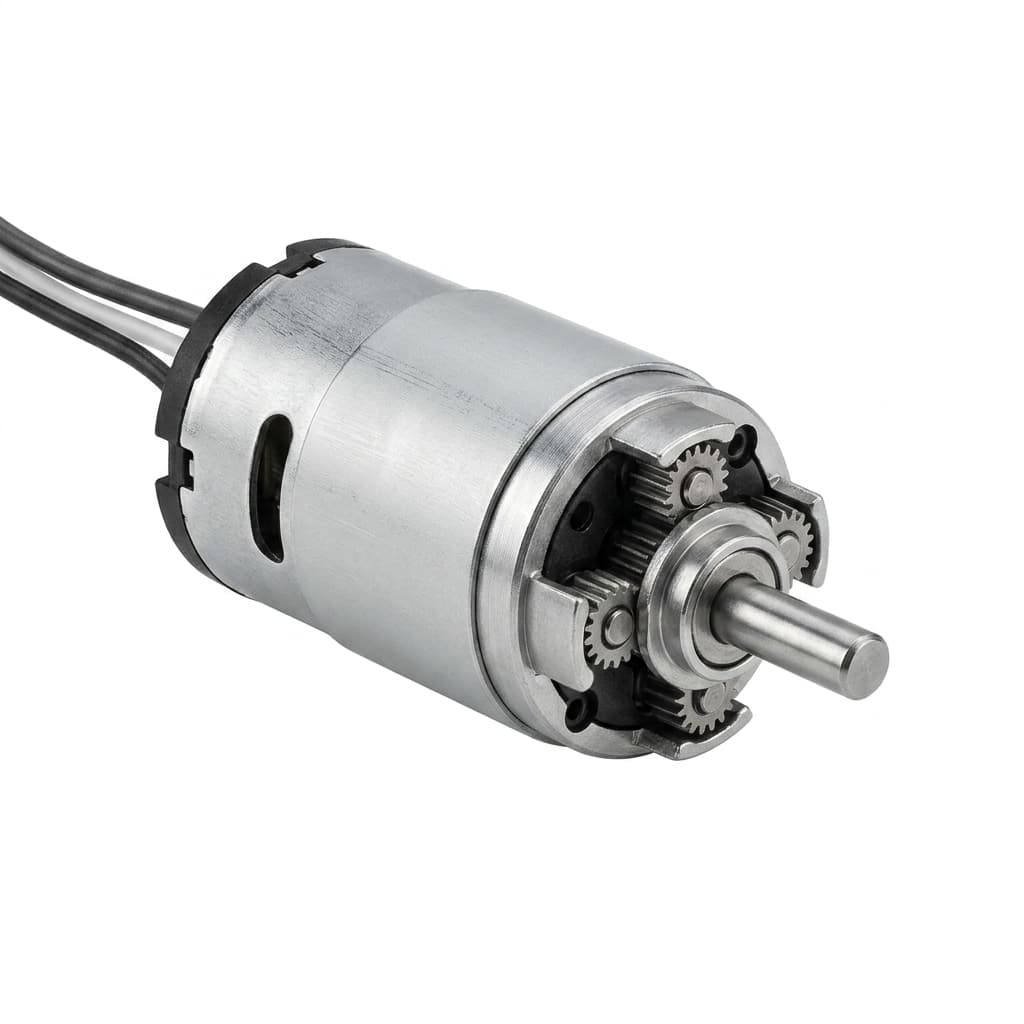
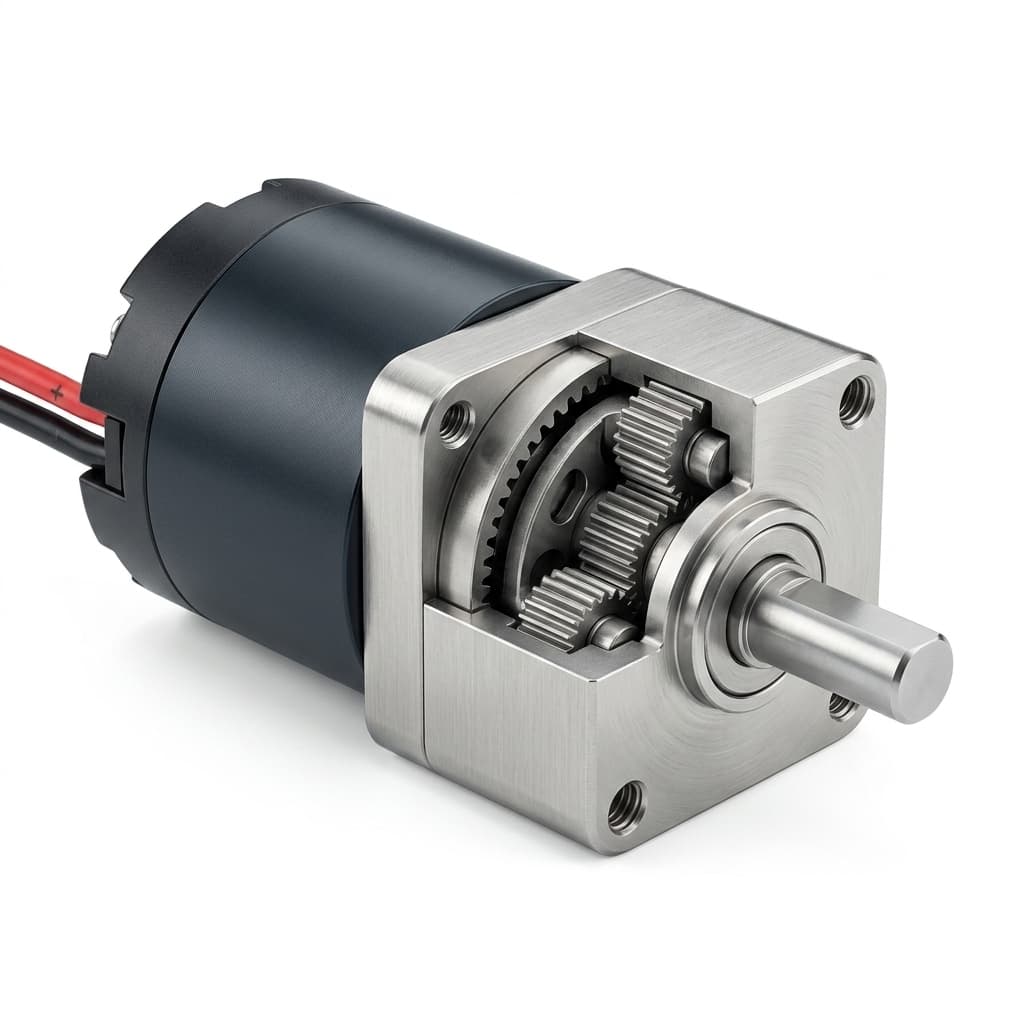
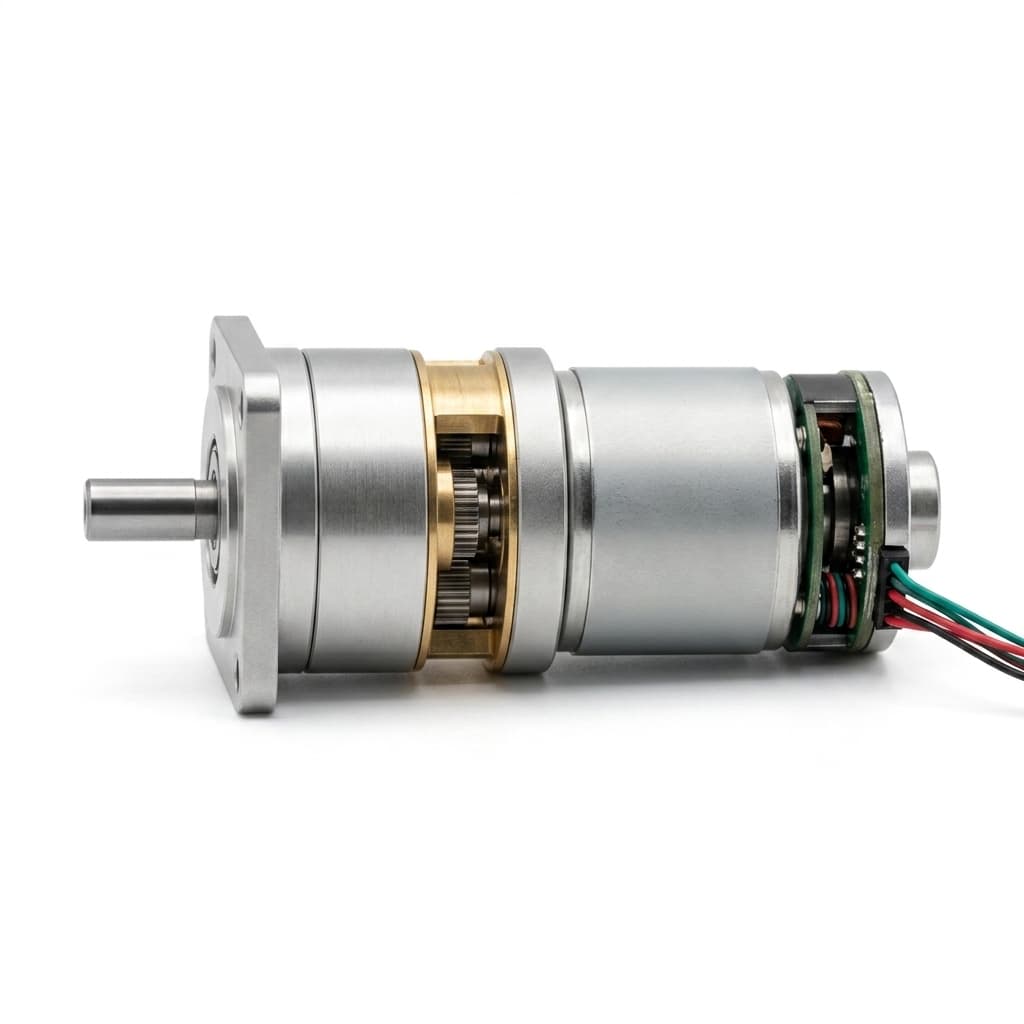
Encoder planetary gear motor used for low-backlash positioning validation

Commercial Availability

RFQ Terms for Low Backlash Micro Planetary Gear Motors

Unit pricing, sample terms, freight, and lead time are confirmed by RFQ after drawings, quantity, destination, annual volume, and validation scope are reviewed.

FieldCurrent Page ValueBuyer Use
Product codeMPM-LOW-BACKLASH-MICRO-PLANETARY-GEAR-MOTORSPage-level product family identifier used to keep RFQ, drawing, sample, and quote communication aligned.
Commercial pathRFQ-based OEM quotationNo public checkout price is shown because winding, ratio, gear material, shaft, validation evidence, freight, and volume change the final unit cost.
Offer statusPlatform-dependent availabilityStandard micro planetary motor platforms are reviewed for custom sampling and production fit before quote confirmation.
ConditionNew OEM components and assembliesSamples and production lots are treated as new industrial components tied to the approved drawing revision and buyer file.
Valid fromAugust 5, 2026This page describes the current RFQ route; written quotations state their own price validity, incoterm, and lead-time assumptions.
RegionWorldwide RFQ supportDestination, compliance needs, packing notes, and shipping route are confirmed during quotation instead of embedded as a fixed retail shipping rate.
Quote currencyUSDExport quotations are usually discussed in USD unless a buyer requests another quotation currency.

Product code

Current Page Value
MPM-LOW-BACKLASH-MICRO-PLANETARY-GEAR-MOTORS
Buyer Use
Page-level product family identifier used to keep RFQ, drawing, sample, and quote communication aligned.

Commercial path

Current Page Value
RFQ-based OEM quotation
Buyer Use
No public checkout price is shown because winding, ratio, gear material, shaft, validation evidence, freight, and volume change the final unit cost.

Offer status

Current Page Value
Platform-dependent availability
Buyer Use
Standard micro planetary motor platforms are reviewed for custom sampling and production fit before quote confirmation.

Condition

Current Page Value
New OEM components and assemblies
Buyer Use
Samples and production lots are treated as new industrial components tied to the approved drawing revision and buyer file.

Valid from

Current Page Value
August 5, 2026
Buyer Use
This page describes the current RFQ route; written quotations state their own price validity, incoterm, and lead-time assumptions.

Region

Current Page Value
Worldwide RFQ support
Buyer Use
Destination, compliance needs, packing notes, and shipping route are confirmed during quotation instead of embedded as a fixed retail shipping rate.

Quote currency

Current Page Value
USD
Buyer Use
Export quotations are usually discussed in USD unless a buyer requests another quotation currency.

Capability Highlights

  • Backlash ≤ 0.5 degrees
  • High stiffness
  • Precision ground components

Typical Applications

  • Robotic Joints
  • Camera Gimbals
  • Metrology Equipment

Engineering Focus

  • Tolerance matching
  • Bearing pre-load
  • Lubrication viscosity
  • Output play measurement under reversal load
  • Encoder and homing strategy around mechanical lost motion

OEM Buyer Decision Path

Qualify the Product Across Engineering, Procurement, and QA

Product selection usually fails when only one team reviews the motor. Use this path to connect mechanical fit, quote scope, validation evidence, and production handoff before sample approval.

Buyer RoleDecision CheckPage EvidenceNext Step
Design EngineeringEnvelope, output speed, continuous torque, stall condition, backlash/noise limit, shaft datum, and cable route.Performance window, engineering focus, customization map, CAD/STEP request path, and material review.Request CAD / STEP
ProcurementPrototype quantity, annual volume, destination, sample timing, quote scope, and approved supplier workflow.RFQ checklist, email template, WhatsApp handoff, and quote caveat before sample pricing.Send RFQ
QualityIncoming CTQ, drawing revision, torque-speed test condition, noise/backlash method, and lot traceability expectation.Risk controls, validation scope, buyer file package, and quality evidence review path.Review Quality
OEM ProgramNPI stage, frozen BOM fields, custom tooling boundary, packing rules, revision control, and production handoff.OEM customization options, supplier workflow, export coordination, and related application routing.OEM Workflow

Design Engineering

Decision Check
Envelope, output speed, continuous torque, stall condition, backlash/noise limit, shaft datum, and cable route.
Page Evidence
Performance window, engineering focus, customization map, CAD/STEP request path, and material review.
Next Step
Request CAD / STEP

Procurement

Decision Check
Prototype quantity, annual volume, destination, sample timing, quote scope, and approved supplier workflow.
Page Evidence
RFQ checklist, email template, WhatsApp handoff, and quote caveat before sample pricing.
Next Step
Send RFQ

Quality

Decision Check
Incoming CTQ, drawing revision, torque-speed test condition, noise/backlash method, and lot traceability expectation.
Page Evidence
Risk controls, validation scope, buyer file package, and quality evidence review path.
Next Step
Review Quality

OEM Program

Decision Check
NPI stage, frozen BOM fields, custom tooling boundary, packing rules, revision control, and production handoff.
Page Evidence
OEM customization options, supplier workflow, export coordination, and related application routing.
Next Step
OEM Workflow

Key Evaluation Matrix

MetricTypical RangeWhy It Matters
Backlash< 30 arc-minutesImportant for limiting lost motion in reversing systems.
Reversing AccuracyMeasured at output shaft under defined loadBacklash claims only matter when the test method matches the buyer mechanism.
Stiffness StackGear clearance, bearing support, shaft fitTotal lost motion includes the gearbox, output shaft, mount, and load connection.

Backlash

Typical Range
< 30 arc-minutes
Why It Matters
Important for limiting lost motion in reversing systems.

Reversing Accuracy

Typical Range
Measured at output shaft under defined load
Why It Matters
Backlash claims only matter when the test method matches the buyer mechanism.

Stiffness Stack

Typical Range
Gear clearance, bearing support, shaft fit
Why It Matters
Total lost motion includes the gearbox, output shaft, mount, and load connection.

Ratio & Performance Window

Reference Performance Table by Frame and Ratio

These RFQ reference windows translate the planning ranges into an engineering shortlist. Final datasheet values are confirmed by winding, ratio, gear material, load, duty cycle, current limit, and test condition before sample approval.

Frame / ODRated VoltageRatio RangeNo-load RPMRated-load RPMContinuous Output TorqueStall TorqueEfficiencyApplication Fit
10/12mm low-backlash build3-12V DC or encoder option5:1-1000:1Selected after backlash and speed target reviewMeasured at defined load and reversal condition100 g.cm-1.5 kg.cm reference windowLimit stall to preserve precision gear meshPrecision fit may reduce efficiency slightlyOptics, smart locks, compact positioning
16/22mm low-backlash build6-24V DC or BLDC4:1-1500:1Motor platform dependent; verify with reversal cycleConfirmed by loaded repeatability test0.5-5.5 Nm reference windowController cutoff protects tooth flank and carrierStage count, preload, and grease dependentRobot joints, gimbals, metrology devices
36/42mm low-backlash review24-48V BLDC candidate3:1-512:1Driver speed and backlash target reviewed togetherValidated on loaded steering or actuator axis9.3-35 Nm reference windowRequires heavy output support and current protectionLower ratios preferred when precision and heat matterAGV steering, heavy indexing, automation axes

10/12mm low-backlash build

Rated Voltage
3-12V DC or encoder option
Ratio Range
5:1-1000:1
No-load RPM
Selected after backlash and speed target review
Rated-load RPM
Measured at defined load and reversal condition
Continuous Output Torque
100 g.cm-1.5 kg.cm reference window
Stall Torque
Limit stall to preserve precision gear mesh
Efficiency
Precision fit may reduce efficiency slightly
Application Fit
Optics, smart locks, compact positioning

16/22mm low-backlash build

Rated Voltage
6-24V DC or BLDC
Ratio Range
4:1-1500:1
No-load RPM
Motor platform dependent; verify with reversal cycle
Rated-load RPM
Confirmed by loaded repeatability test
Continuous Output Torque
0.5-5.5 Nm reference window
Stall Torque
Controller cutoff protects tooth flank and carrier
Efficiency
Stage count, preload, and grease dependent
Application Fit
Robot joints, gimbals, metrology devices

36/42mm low-backlash review

Rated Voltage
24-48V BLDC candidate
Ratio Range
3:1-512:1
No-load RPM
Driver speed and backlash target reviewed together
Rated-load RPM
Validated on loaded steering or actuator axis
Continuous Output Torque
9.3-35 Nm reference window
Stall Torque
Requires heavy output support and current protection
Efficiency
Lower ratios preferred when precision and heat matter
Application Fit
AGV steering, heavy indexing, automation axes

Sample Acceptance Plan

Turn Product Selection Into Pass/Fail Checks

Before a motor family becomes a sample order, sales engineering converts the RFQ into acceptance checks for engineering, procurement, and quality. These checks keep CAD/STEP release, prototype approval, and repeat production tied to the same specification baseline.

WorkstreamBuyer QuestionEvidence to PreparePass Signal
Backlash methodIs the backlash number measured the same way the buyer will validate it?Allowed output play, arc-minute or degree method, torque preload, direction reversal, and fixture setup.Measured backlash matches the buyer method before the sample is approved.
Reversing loadWill lost motion stay controlled after repeated reversal under load?Reversal frequency, load torque, duty cycle, output coupling, and allowed post-life backlash.Repeatability and backlash remain inside limit after the defined reversing cycle test.
Encoder and control fitDoes feedback improve the system without hiding mechanical clearance?Encoder resolution, controller loop, homing method, backlash compensation plan, and accuracy target.Control data and mechanical measurement agree under the same output load condition.
Preload stabilityWill low-clearance gearing avoid excess friction, heat, or grease sensitivity?Torque target, ratio, operating temperature, grease requirement, and efficiency or current limit.Backlash reduction does not create unacceptable current rise, heat, or noise.

Backlash method

Buyer Question
Is the backlash number measured the same way the buyer will validate it?
Evidence to Prepare
Allowed output play, arc-minute or degree method, torque preload, direction reversal, and fixture setup.
Pass Signal
Measured backlash matches the buyer method before the sample is approved.

Reversing load

Buyer Question
Will lost motion stay controlled after repeated reversal under load?
Evidence to Prepare
Reversal frequency, load torque, duty cycle, output coupling, and allowed post-life backlash.
Pass Signal
Repeatability and backlash remain inside limit after the defined reversing cycle test.

Encoder and control fit

Buyer Question
Does feedback improve the system without hiding mechanical clearance?
Evidence to Prepare
Encoder resolution, controller loop, homing method, backlash compensation plan, and accuracy target.
Pass Signal
Control data and mechanical measurement agree under the same output load condition.

Preload stability

Buyer Question
Will low-clearance gearing avoid excess friction, heat, or grease sensitivity?
Evidence to Prepare
Torque target, ratio, operating temperature, grease requirement, and efficiency or current limit.
Pass Signal
Backlash reduction does not create unacceptable current rise, heat, or noise.

Selection-Ready Product Data

Build the Ratio Table Before Sample Approval

Public diameter pages are only the starting point. For RFQ review, sales engineering confirms rated voltage, no-load RPM, rated-load RPM, continuous output torque, stall torque, current, efficiency, and gear ratio against your mechanism before releasing drawings or sample pricing.

Performance FieldBuyer InputHow It Shapes the Quote
Rated voltage and current limit3V, 6V, 12V, 24V, or buyer-defined driver limitSelects the winding, thermal margin, stall-current boundary, and battery or adapter fit.
No-load speed and loaded output speedMotor RPM, target output RPM, and acceptable speed toleranceNarrows the gear ratio and keeps the prototype inside the required actuation time.
Continuous output torque and stall torqueWorking torque, peak load, jam condition, and stall durationChecks gear material, shaft support, carrier strength, and safety margin before sampling.
Gear ratio and efficiency targetKnown ratio, output RPM target, or torque-speed curve from the mechanismBuilds the ratio table used to compare speed, torque, current, efficiency, and heat rise.
Duty cycle and life targetOn/off sequence, cycles per day, lifetime cycles, ambient temperatureDefines grease, gear stack, winding temperature, brush life, and sample validation scope.
Noise and backlash limitdB limit, measurement distance, arcmin or degree target, load fixtureSeparates POM, hybrid, metal, and low-backlash options before the CAD exchange.

Rated voltage and current limit

Buyer Input
3V, 6V, 12V, 24V, or buyer-defined driver limit
How It Shapes the Quote
Selects the winding, thermal margin, stall-current boundary, and battery or adapter fit.

No-load speed and loaded output speed

Buyer Input
Motor RPM, target output RPM, and acceptable speed tolerance
How It Shapes the Quote
Narrows the gear ratio and keeps the prototype inside the required actuation time.

Continuous output torque and stall torque

Buyer Input
Working torque, peak load, jam condition, and stall duration
How It Shapes the Quote
Checks gear material, shaft support, carrier strength, and safety margin before sampling.

Gear ratio and efficiency target

Buyer Input
Known ratio, output RPM target, or torque-speed curve from the mechanism
How It Shapes the Quote
Builds the ratio table used to compare speed, torque, current, efficiency, and heat rise.

Duty cycle and life target

Buyer Input
On/off sequence, cycles per day, lifetime cycles, ambient temperature
How It Shapes the Quote
Defines grease, gear stack, winding temperature, brush life, and sample validation scope.

Noise and backlash limit

Buyer Input
dB limit, measurement distance, arcmin or degree target, load fixture
How It Shapes the Quote
Separates POM, hybrid, metal, and low-backlash options before the CAD exchange.

Customization Options

Match the Motor to the Mechanical Boundary

The useful custom scope is normally around the shaft, gearbox stack, feedback, cable exit, connector, and buyer file package. These options should be fixed before tooling, CAD exchange, or pilot builds.

Custom AreaCommon OptionsRFQ Signal
Output shaft and mountingD-cut, flat, threaded, cross-drilled, keyway, custom length, flange, bearing support.Attach shaft datum, mating part drawing, radial/axial load direction, and installation sequence.
Gear material and backlashPOM, MIM, machined metal, hybrid stages, grease selection, low-backlash build review.State torque peaks, reversing frequency, noise target, temperature, and life requirement.
Feedback and controlEncoder, Hall signal, EMI suppression, pinout, driver match, current-limit review.Share CPR, signal voltage, controller type, cable route, connector drawing, and EOL test needs.
Cable, connector, and assemblyLead wire length, connector model, cable exit, strain relief, bracket, harness, module assembly.Include enclosure envelope, bend radius, pull-force concern, label rules, and packing notes.
Compliance and buyer fileRoHS/REACH file, material note, drawing revision, sample test report, lot traceability.Confirm destination, regulated-market expectations, incoming inspection plan, and annual volume.

Output shaft and mounting

Common Options
D-cut, flat, threaded, cross-drilled, keyway, custom length, flange, bearing support.
RFQ Signal
Attach shaft datum, mating part drawing, radial/axial load direction, and installation sequence.

Gear material and backlash

Common Options
POM, MIM, machined metal, hybrid stages, grease selection, low-backlash build review.
RFQ Signal
State torque peaks, reversing frequency, noise target, temperature, and life requirement.

Feedback and control

Common Options
Encoder, Hall signal, EMI suppression, pinout, driver match, current-limit review.
RFQ Signal
Share CPR, signal voltage, controller type, cable route, connector drawing, and EOL test needs.

Cable, connector, and assembly

Common Options
Lead wire length, connector model, cable exit, strain relief, bracket, harness, module assembly.
RFQ Signal
Include enclosure envelope, bend radius, pull-force concern, label rules, and packing notes.

Compliance and buyer file

Common Options
RoHS/REACH file, material note, drawing revision, sample test report, lot traceability.
RFQ Signal
Confirm destination, regulated-market expectations, incoming inspection plan, and annual volume.

Evidence Pack Before Sampling

Evidence Pack to Request Before Sampling

These files are normally reviewed by request rather than downloaded instantly. Confirm the scope early so drawings, sample data, quality records, and production notes match the same motor revision.

Evidence ItemWhat to RequestWhy It MattersRoute
CAD / STEP baselineOuter diameter, length, shaft geometry, flange datum, connector clearance, and mating-part constraints.Prevents a mechanically suitable motor from failing because of envelope, shaft, or mounting mismatch.CAD request
Torque-speed-current windowRated voltage, no-load speed, rated-load speed, continuous torque, stall torque, current limit, and duty cycle.Separates reference catalog windows from the sample value set that purchasing and engineering can approve.RFQ template
Inspection and test evidenceDimensional CTQ, gear ratio check, no-load current, load test, noise/backlash method, and final inspection record.Lets the buyer define what must be proven before incoming inspection, pilot build, or supplier approval.Quality review
Gear material and backlash routePOM, hybrid, or metal stage choice, grease condition, reversing motion, temperature, shock load, and noise target.Aligns durability, acoustic behavior, backlash, cost, and life expectation before the sample BOM is frozen.Material guide
OEM handoff packageDrawing revision, cable/connector rules, label and packing notes, destination, compliance file needs, and annual volume.Turns a selected sample into a production-ready supplier package with fewer revision loops.OEM workflow

CAD / STEP baseline

What to Request
Outer diameter, length, shaft geometry, flange datum, connector clearance, and mating-part constraints.
Why It Matters
Prevents a mechanically suitable motor from failing because of envelope, shaft, or mounting mismatch.
Route
CAD request

Torque-speed-current window

What to Request
Rated voltage, no-load speed, rated-load speed, continuous torque, stall torque, current limit, and duty cycle.
Why It Matters
Separates reference catalog windows from the sample value set that purchasing and engineering can approve.
Route
RFQ template

Inspection and test evidence

What to Request
Dimensional CTQ, gear ratio check, no-load current, load test, noise/backlash method, and final inspection record.
Why It Matters
Lets the buyer define what must be proven before incoming inspection, pilot build, or supplier approval.
Route
Quality review

Gear material and backlash route

What to Request
POM, hybrid, or metal stage choice, grease condition, reversing motion, temperature, shock load, and noise target.
Why It Matters
Aligns durability, acoustic behavior, backlash, cost, and life expectation before the sample BOM is frozen.
Route
Material guide

OEM handoff package

What to Request
Drawing revision, cable/connector rules, label and packing notes, destination, compliance file needs, and annual volume.
Why It Matters
Turns a selected sample into a production-ready supplier package with fewer revision loops.
Route
OEM workflow

Gear Material Review

Confirm POM, Hybrid, or Metal Stages Before Prototype Approval

Use the material guide to align noise, torque density, stall load, wear, grease, and backlash expectations before the sample BOM is frozen.

Compare POM vs MIM gears

CAD / STEP Request

Request Outline Drawings Before You Freeze the Mechanical Design

Share the mating envelope and target duty data so sales engineering can confirm whether an existing outline drawing, STEP/IGES file, or custom shaft and flange proposal is suitable for your project.

1

Installation envelope, mounting pattern, shaft interface, and cable exit.

2

Voltage, loaded speed, torque, gear ratio, duty cycle, noise, and backlash limits.

3

Preferred CAD format, drawing revision, prototype quantity, destination, and compliance notes.

Fields engineering checks before sharing a model

Product fit
Diameter, gearbox length, motor family, shaft style, flange pattern, and cable or connector exit.
Performance target
Voltage, loaded speed, continuous torque, peak or stall torque, ratio, duty cycle, life, noise, and backlash.
Mechanical interface
Mating drawing revision, installation clearance, radial or axial load, tolerance priority, and assembly sequence.
Release package
2D outline, STEP/IGES envelope, custom shaft/flange review, datasheet values, and quality evidence scope.

Useful before CAD freeze

Estimate ratio and torque firstCompare POM, hybrid, and metal gearsAlign quality evidence scope
Email CAD requestWhatsApp engineeringOpen CAD request form

CAD files are shared by project fit and revision status. For custom shafts, flanges, cable routing, or gearbox interfaces, attach the mating drawing so the first CAD exchange uses the correct mechanical boundary.
RFQ Checklist

  1. Maximum acceptable backlash (arc-min/degrees)
  2. Reversing frequency
  3. Output shaft radial load
  4. Measurement fixture, load radius, and life-test condition
  5. Feedback type and whether compensation is allowed in software
  6. Target annual quantity and acceptable precision-cost tradeoff

Risk Controls

  • Increased friction: Low backlash designs are carefully lubricated to balance stiffness and efficiency.
  • Over-specifying backlash drives unnecessary cost: We ask for the actual repeatability target and reversal load before proposing precision gear stages.
  • Assembly stack-up erases gearbox accuracy: Output shaft, bearing support, flange datum, and mating part tolerances are reviewed together.
  • Backlash claim is not comparable across suppliers: The RFQ should define arc-min or degree limit, measurement torque, direction change, output fixture, and whether the value applies after life testing.

Product Gallery

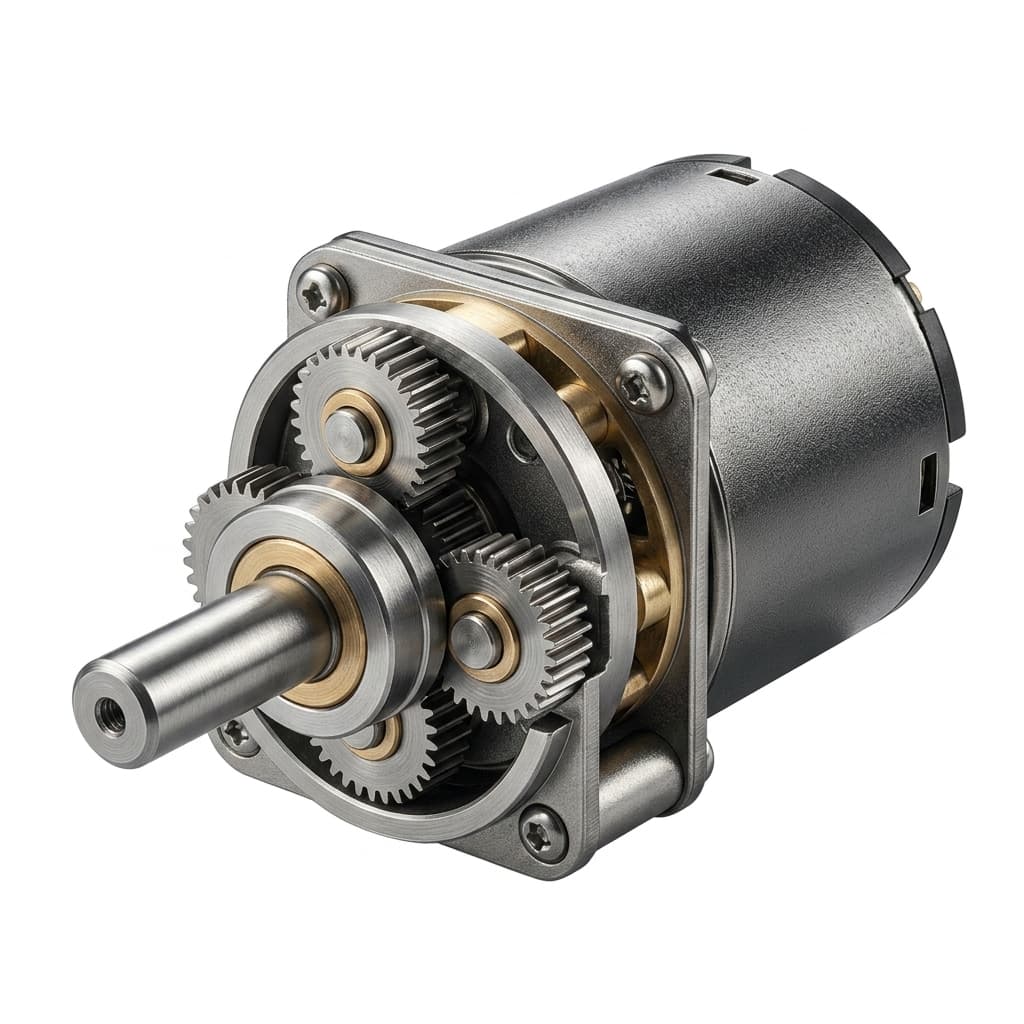
Low-backlash micro planetary gearmotor with feedback wiring for indexed motion
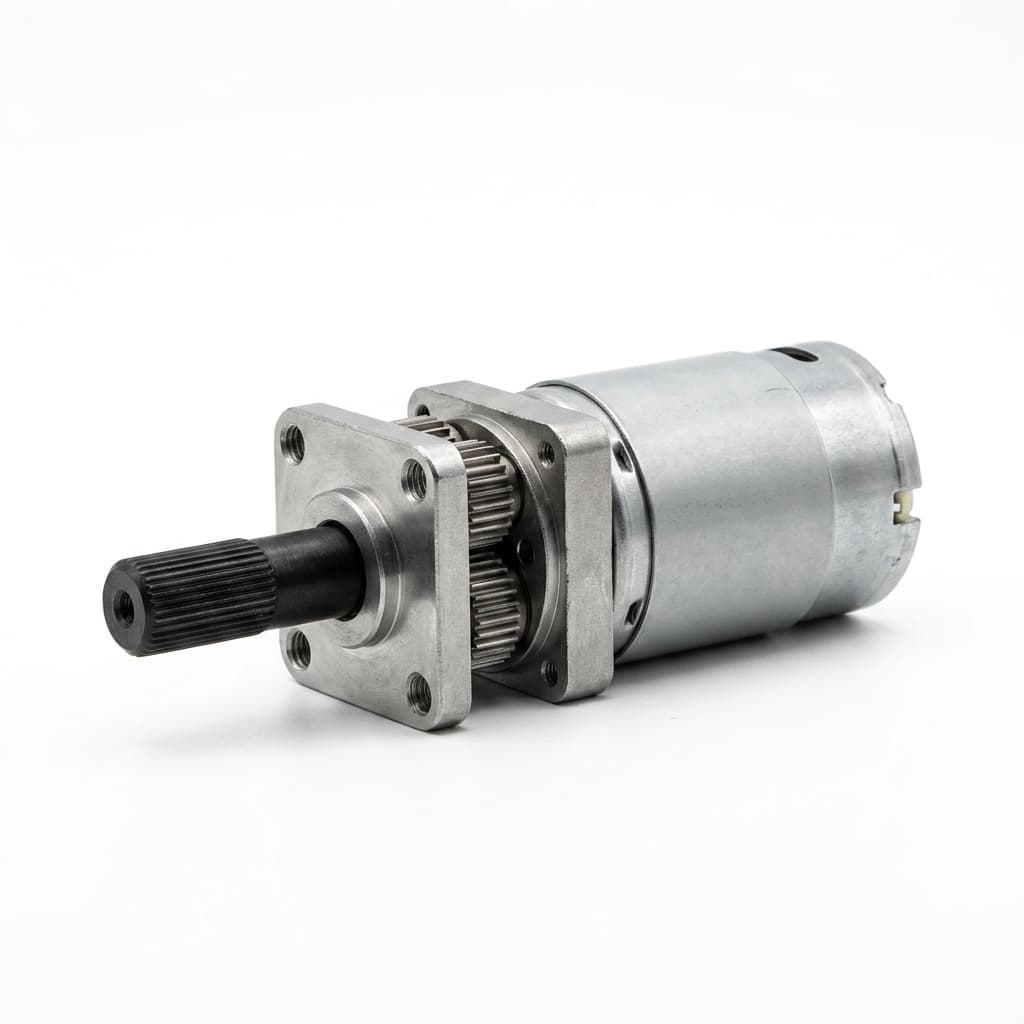
Precision encoder planetary drive for repeatable optical and automation positioning
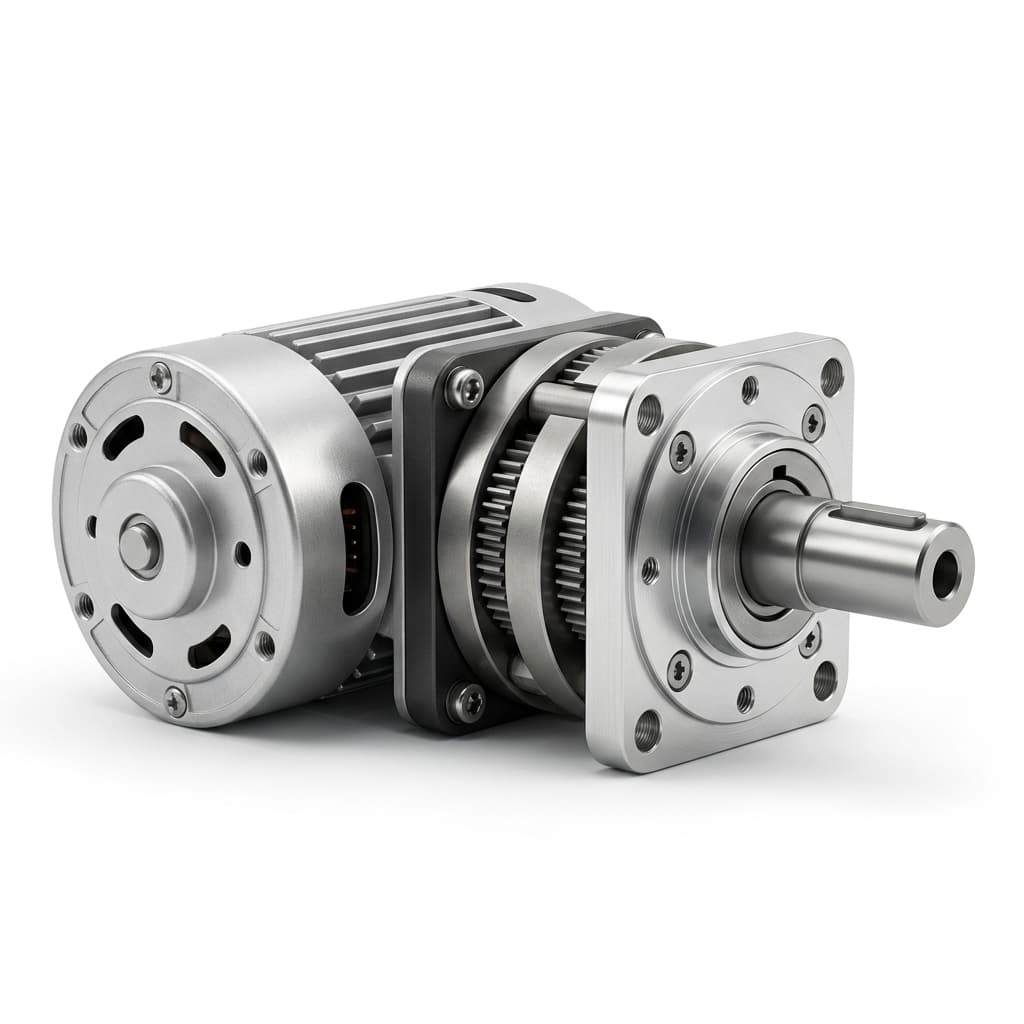
Micro planetary gear motor sample for backlash and lost-motion measurement
Low-backlash planetary gearmotor candidate for closed-loop actuator projects
Low-noise low-backlash planetary gear motor for precision mechanism trials

Buyer FAQ

Can you supply very low backlash?

Backlash-free behavior requires specialized preloaded mechanisms. Planetary designs can be reviewed to reduce lost motion under a defined test method.

How should backlash be measured for RFQ review?

State the allowed output play, load condition, measurement angle or arc-min method, and whether the limit applies after life testing.

Does an encoder remove backlash?

No. Encoder feedback improves control visibility, but mechanical lost motion still needs gearbox and interface control.

What backlash data is useful before requesting samples?

Share allowed output play, reversing load, load radius, target repeatability, operating temperature, and whether the system can compensate in software.

Related Resources

  • Premium Brand Alternative Review
  • Backlash Measurement Guide
  • Gearbox Failure Analysis Guide
  • Encoder Micro Planetary Gear Motor
  • Optical Instrument Applications
  • Testing & Validation Support
  • Contact Sales Engineering

Product Qualification Review

Ready for a Product-Specific OEM Review?

Send the target size, voltage, torque, speed, ratio, quantity, drawing status, and validation concerns. Sales engineering can then confirm whether this product family is the right starting point or whether another frame, gear material, or OEM assembly route is safer.

WhatsApp: +86 18857971991. Email: [email protected].

WhatsApp ReviewSend RFQQuality Evidence

Inquiry Email

[email protected]

Email app

Include OD/length, voltage, torque, loaded speed, ratio, drawings, quantity, and destination.

Instant Chat

+86 18857971991

Chat on WhatsApp

Fast channel for clarifying specs, drawings, and sample timing.