
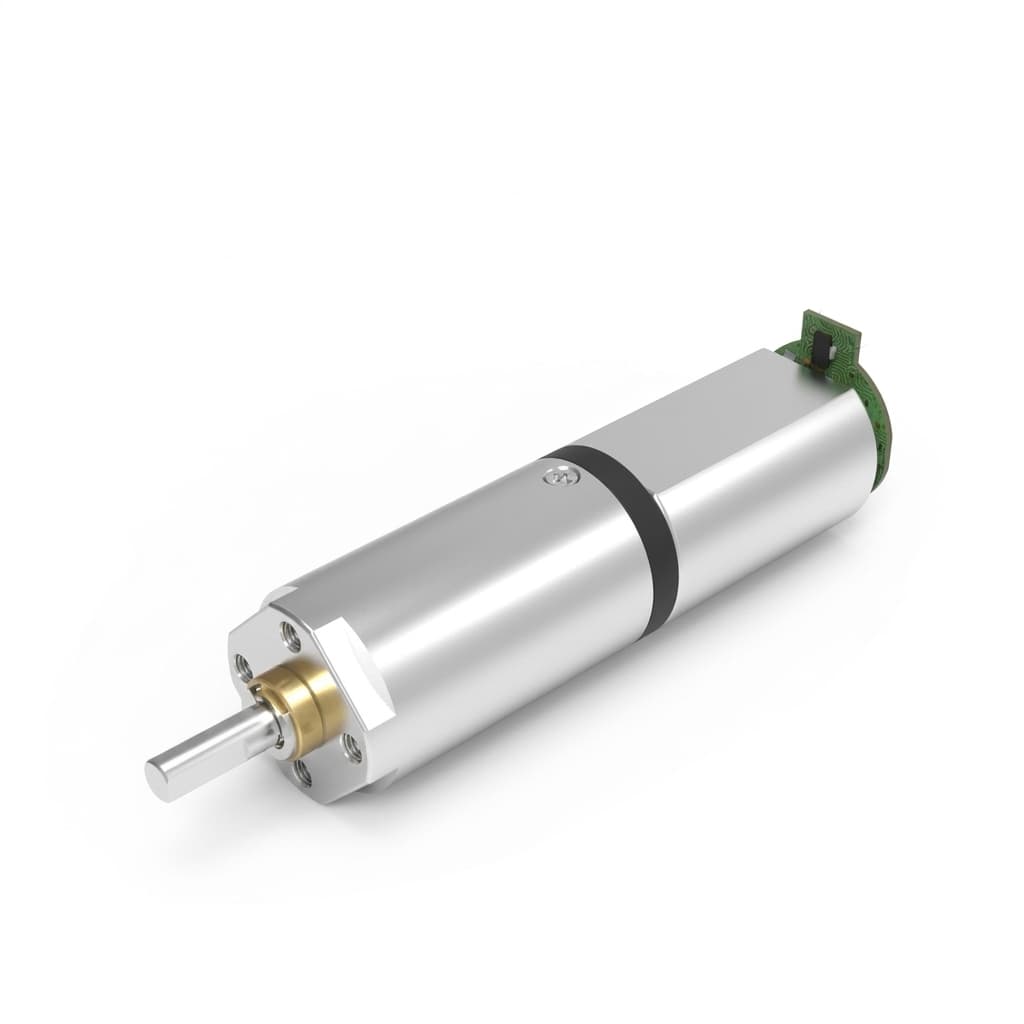
Coreless vs. Brushless Micro Planetary Motors: Which One to Use?
An in-depth engineering comparison between coreless DC and brushless DC (BLDC) micro planetary gear motors, including TCO, lifespan, and control complexity.
If your envelope is under 22mm, the practical options are usually Coreless DC or BLDC. On paper, both can look compact and efficient. In production, the wrong architecture can increase BOM cost, shorten service life, or complicate validation.
Here is the engineering breakdown of where each architecture fits.
1. Mechanical Architecture & Cogging
Coreless DC Motors: Coreless motors eliminate the heavy iron rotor found in traditional brushed DC motors, replacing it with a self-supporting copper wire basket.
- The Advantage: Without an iron core, cogging torque is very low. The motor can deliver smooth rotation at low speeds, making it suitable for high-precision positioning (e.g., optical lens focusing, camera gimbals). The low rotor inertia also supports fast acceleration and deceleration.
Brushless DC (BLDC) Motors: BLDC motors invert the traditional design by placing the permanent magnets on the rotor and the electromagnets on the stator.
- The Advantage: Physical brushes are eliminated. However, standard slotted BLDC motors can exhibit magnetic cogging at low speeds. For very smooth operation, a slotless BLDC motor may be required, with higher cost and driver complexity.
2. Lifespan and Reliability
Coreless DC Motors (1,000 - 3,000 hours): Because they still rely on physical brushes commuting against a delicate commutator, wear is inevitable. Once the brushes wear through, performance drops or the motor can fail. High RPMs and frequent high-current starts accelerate this wear.
BLDC Motors (> 10,000 hours): With no brushes to wear out, the lifespan of a BLDC motor is limited mainly by the fatigue life of its ball bearings. In continuous-duty applications such as medical ventilators or industrial conveyor actuators, BLDC is usually the technically viable choice.
3. Control Complexity & Footprint
Coreless DC: Control is comparatively simple. Apply a DC voltage, and the motor spins. Reverse the polarity, and it spins backward. Modulate the voltage via simple PWM, and you control the speed. This can require minimal PCB real estate and low standby current, which suits many battery-operated smart locks and compact actuators.
BLDC: BLDC motors cannot run on simple DC power. They require an Electronic Speed Controller (ESC) or a dedicated driver IC to sequentially energize the stator coils. This adds to the BOM cost, requires more PCB space, and increases software complexity.
4. Thermal Management
Coreless DC: The lack of an iron core means the rotor has very little thermal mass. Coreless motors can overheat in seconds if stalled or heavily overloaded, causing the copper basket to warp or the commutator to melt.
BLDC: Because the coils are attached to the outer casing (the stator), BLDC motors dissipate heat effectively to the ambient environment. They can sustain high continuous torque and high RPM more safely than coreless variants.
[!NOTE] Engineering Review: Sensor-Adjacent Drives In sensor-adjacent mechanisms, brush arcing and cable layout can disturb nearby electronics. Slotless BLDC planetary motor options may reduce EMI risk, but the final choice should be validated with the actual harness, driver, shielding, and sensor package.
Side-by-Side Comparison Matrix
| Feature | Coreless DC | Brushless DC (BLDC) |
|---|---|---|
| Lifespan | 1,000 - 3,000 Hours | 10,000+ Hours |
| Cogging Torque | Very low | Moderate unless slotless |
| Control Electronics | Simple (Direct DC / H-Bridge) | Complex (Requires ESC/Driver) |
| Thermal Dissipation | Poor (Rotor is insulated) | Excellent (Coils on casing) |
| EMI / Electrical Noise | Moderate (Brush arcing) | Low with suitable driver and wiring |
| Ideal Application | Battery-powered, intermittent use | Continuous use, high reliability |
The Bottom Line
Go with Coreless if: You need high-speed start/stop, low standby current for battery operation, and you do not have the PCB space or BOM budget for an ESC. Typical fits: smart locks, handheld dispensers, intermittent miniature pumps.
Go with BLDC if: The motor spins 24/7, or the program requires more than 5,000 hours of life or minimal brush sparking for EMI control. In continuous-duty equipment like respirators or conveyor nodes, the total cost of ownership usually favors BLDC despite the higher upfront cost.
Author

Categories
More Posts
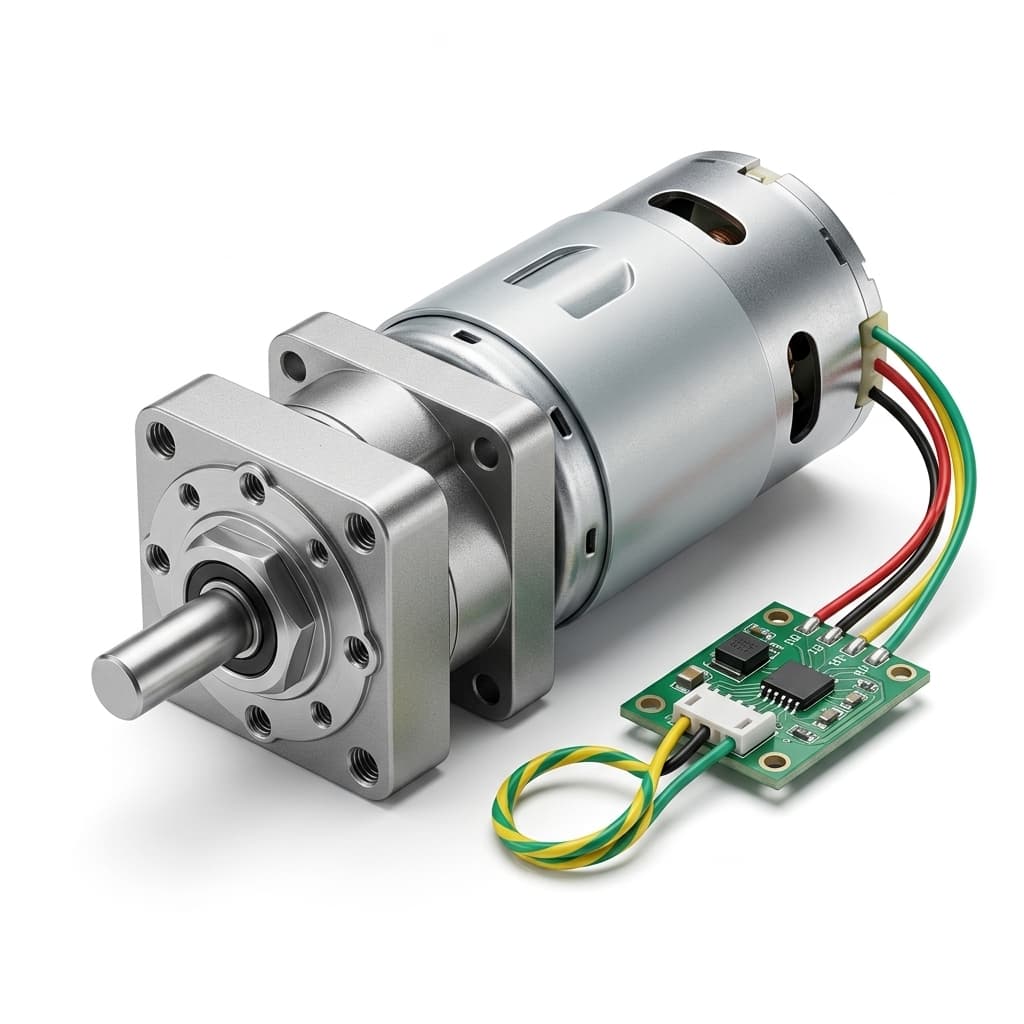
Gear Motor Failure Analysis: Micro-pitting and Tooth Flank Wear in Micro Planetary Gearboxes
Diagnose micro planetary gearbox failures by reading wear patterns, micro-pitting, lubricant breakdown, backlash growth, shaft loads, and validation data before pilot release.
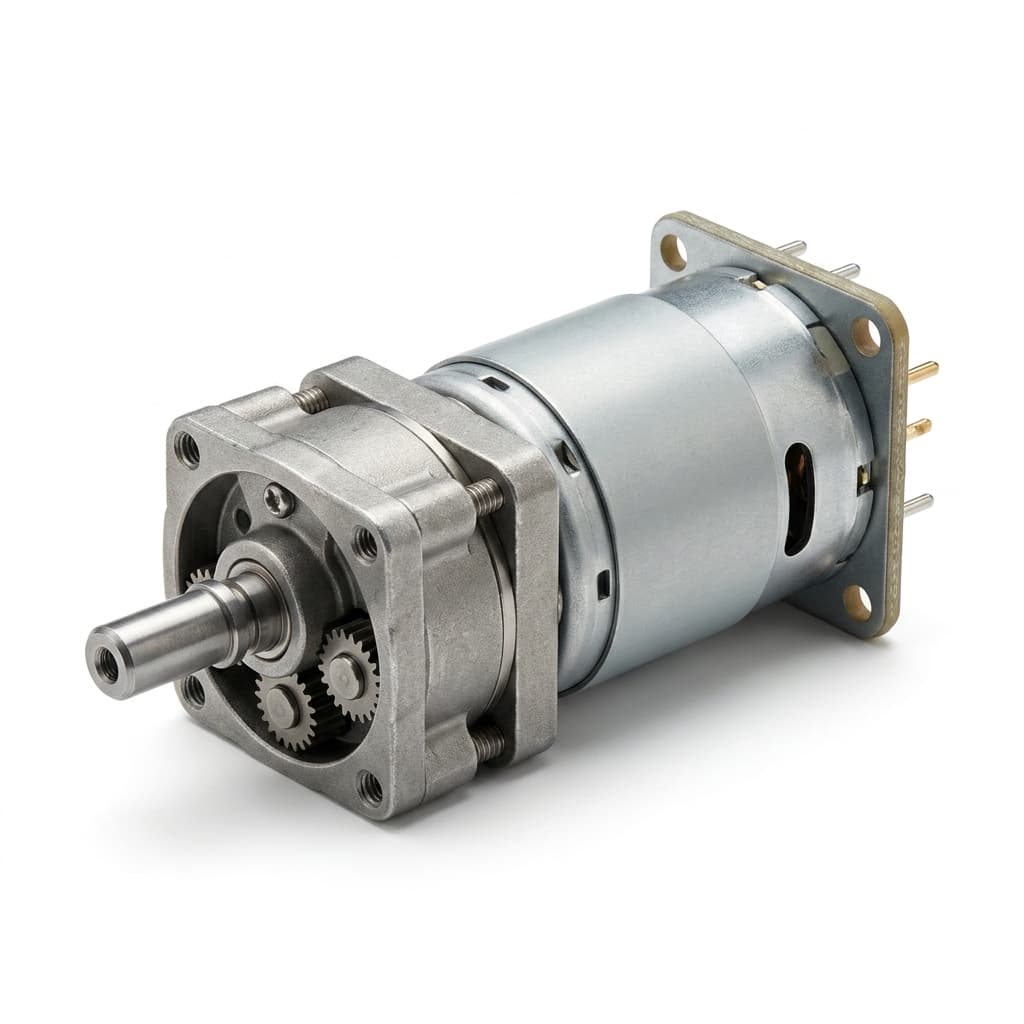
How to Calculate Planetary Gear Ratio and Output Torque
A practical engineering guide to calculating planetary gear reduction ratio, output speed, output torque, efficiency losses, stage count, and RFQ data for micro planetary gear motor projects.
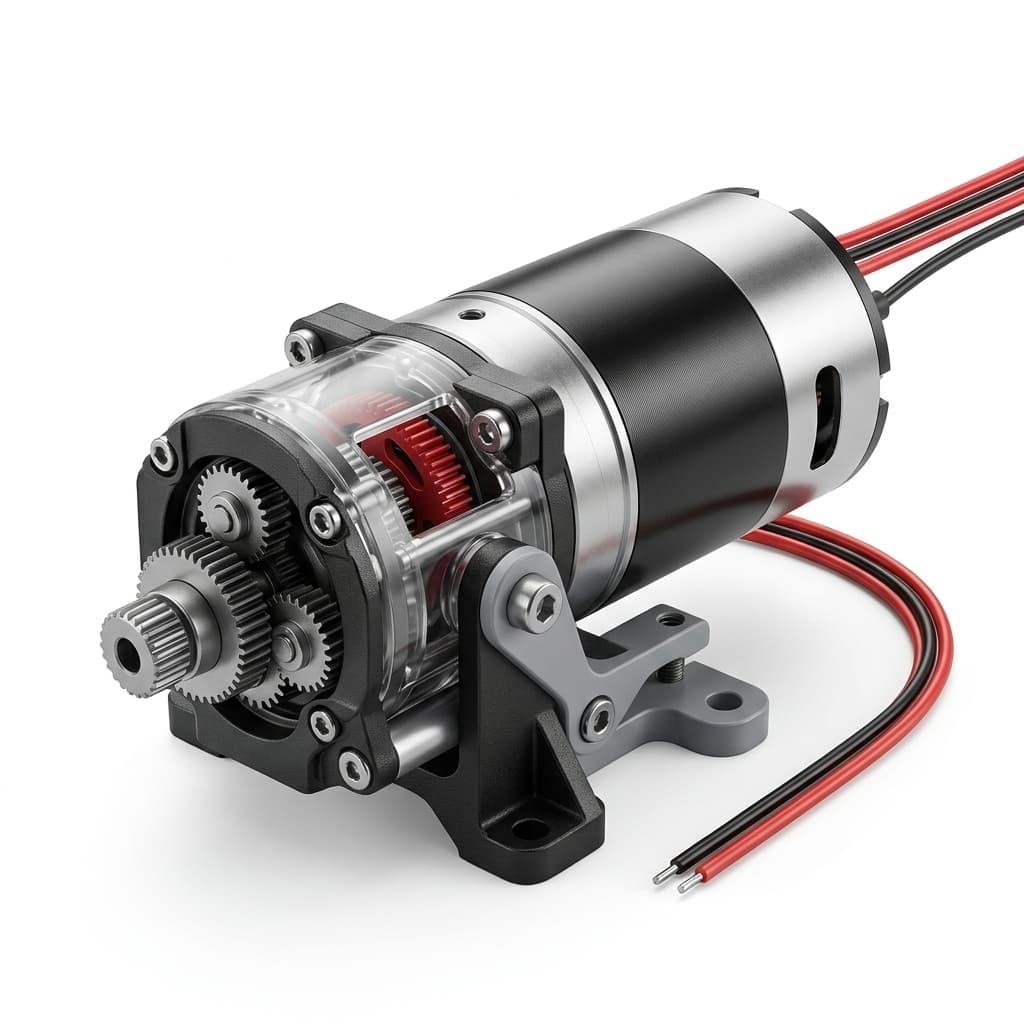
How to Choose the Right Micro Planetary Gear Motor for Your Application
A comprehensive buyer-side engineering guide on sizing, torque requirements, gear materials, and selecting the optimal micro planetary gear motor architecture.